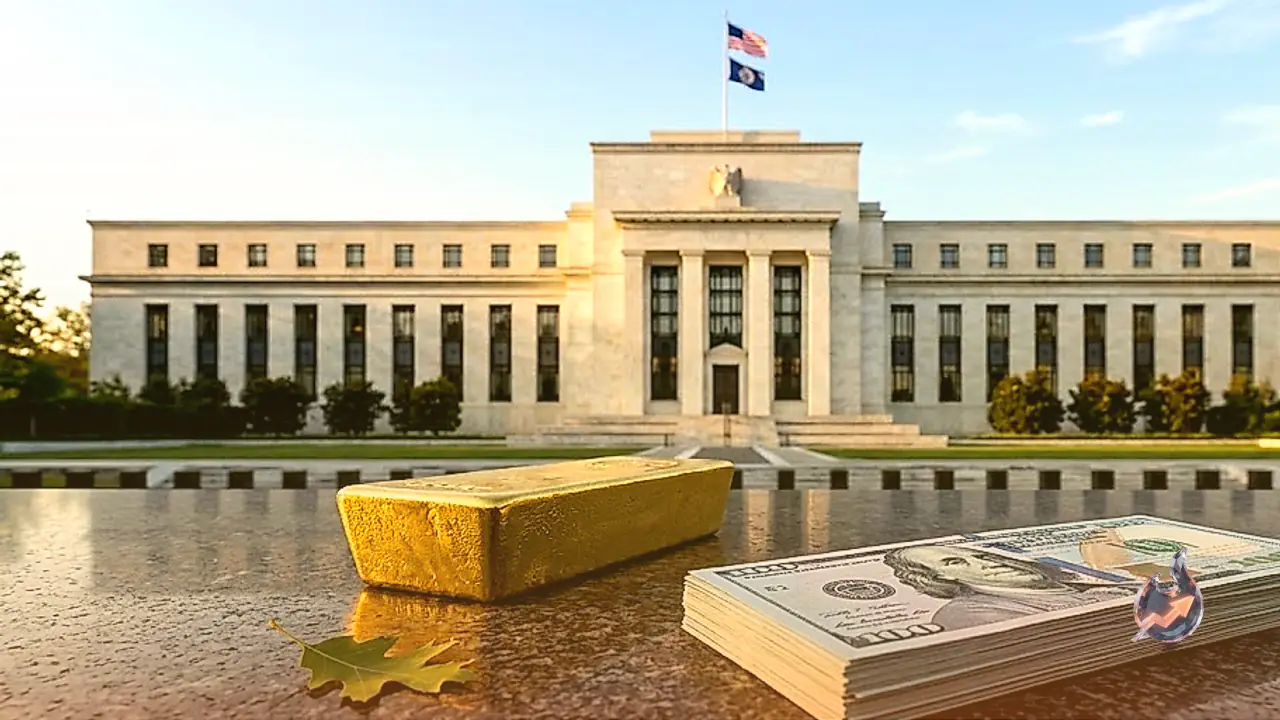

























Eurozone economic momentum faces headwinds as spillovers from ongoing regional conflicts in the Middle East begin to weigh on regional output. Economic projections indicate that gross domestic product expansion, which reached 1.5% in 2025, will decelerate to 0.8% in 2026 before staging a recovery to 1.6% in 2027.
Inflation Pressures and Central Bank Policy
Alongside slower growth, price pressures are projected to pick up due to energy shocks affecting the region. Inflation is anticipated to rebound to 2.7% in 2026, up from 2.1% in 2025, before plateauing around 2.6% in 2027. In response to this inflationary rebound, financial analysts continue to anticipate one further 25-basis-point hike in the ECB policy rate during the third quarter of 2026, which would push the deposit facility rate up to 2.5%.
Currency Market Movements and Oil Prices
Broader foreign exchange markets are also reflecting these shifting dynamics as traders react to geopolitical developments. The GBP/USD currency pair reversed its direction and traded in the red near 1.3300 during the second half of Monday, following a bullish start to the week. Falling crude oil prices, triggered by a temporary pause in the Middle East conflict, helped curb gains for the US Dollar and allowed the pair to maintain its footing temporarily.
EUR/USD Trading Dynamics
Similarly, the EUR/USD pair lost its earlier bullish momentum, trading with modest gains below the 1.1400 threshold in the latter half of Monday. Market participants remain hopeful that the pause in strikes could lead to a lasting de-escalation in the Middle East. However, lingering uncertainty over whether diplomatic solutions can be successfully brokered between the United States and Iran continues to influence trader sentiment across global financial platforms.