





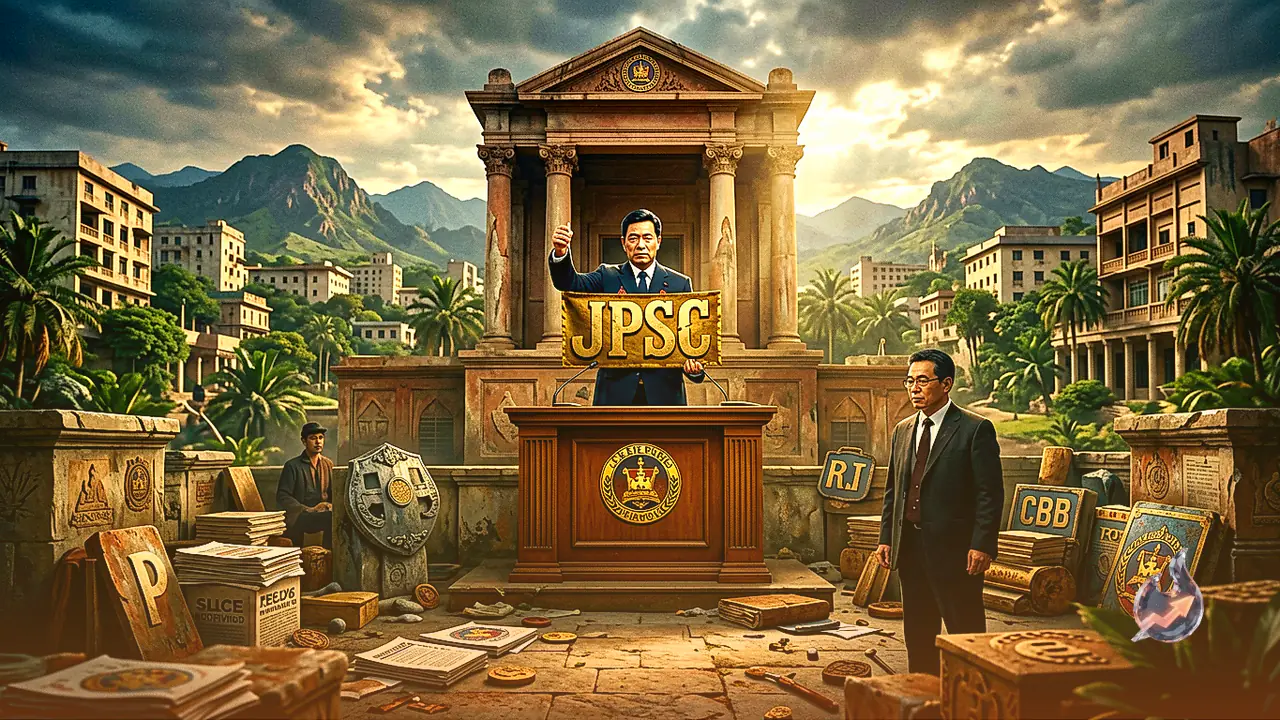














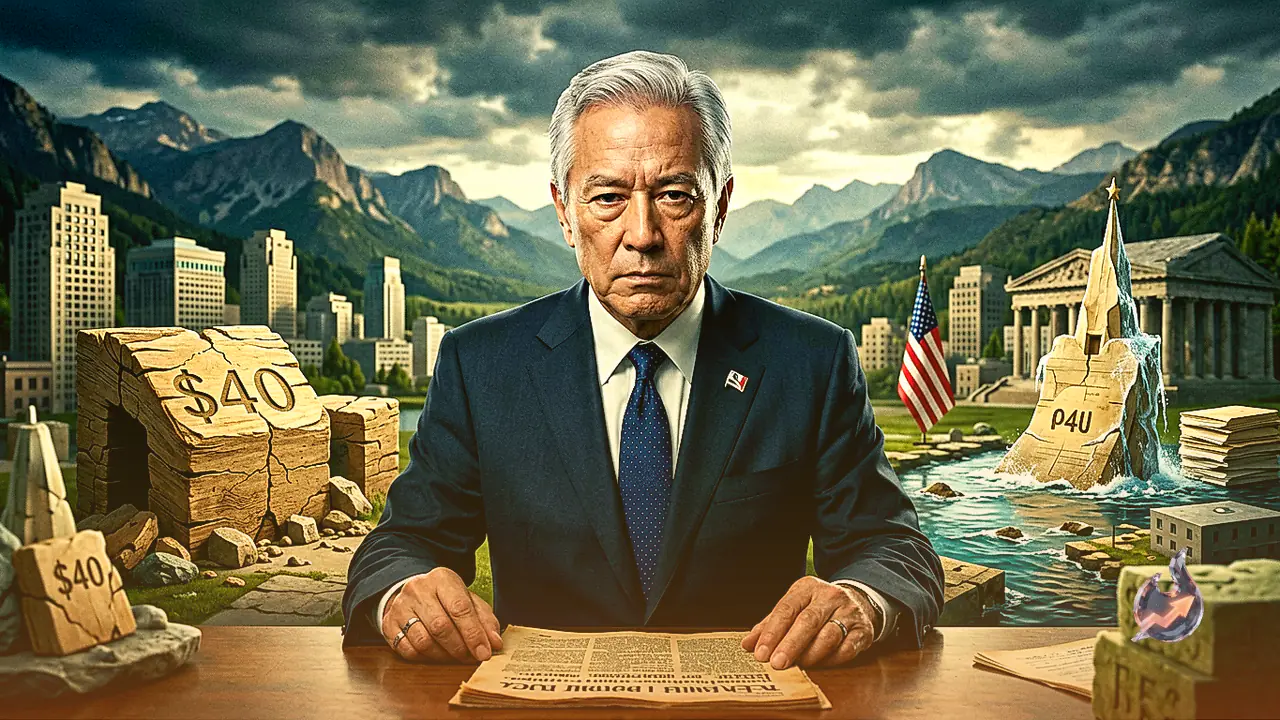

The annual Jackson Hole symposium in Wyoming takes on heightened critical importance as Federal Reserve Chair Kevin Warsh prepares to address global central bankers, investors, and policymakers. Facing a volatile bond market, severe internal divisions within the central bank, and fresh geopolitical sparks rekindling inflationary pressures, Warsh arrives at the economic summit under intense scrutiny. Rather than offering clear forward guidance, his minimalist communication style faces an unprecedented trial. Investors across Wall Street are urgently demanding concrete answers regarding interest rate trajectory, fiscal debt pressures, and the sustainability of corporate debt expansion.
A Central Bank Divided: Internal Rift and Hawkish Pressure
The backdrop for this landmark address is characterized by deep institutional friction within the Federal Open Market Committee. Minutes from the Federal Reserve's July monetary policy meeting revealed that behind the headline 9-3 vote to keep benchmark interest rates unchanged lay a contentious debate. Three regional Federal Reserve presidents broke rank to advocate for an immediate interest rate hike, reflecting persistent anxieties that inflation remains stubbornly above target. The dissenting votes highlighted a central bank struggling with internal coherence, as hawkish members signaled a clear readiness to impose further monetary tightening if price pressures fail to abate in accordance with projections. This open friction complicates Warsh's preferred narrative of constructive internal debate, exposing a committee split on how aggressively to tackle lingering price stability risks.
The Communications Dilemma: Reticence Versus Market Signals
Warsh's operational philosophy represents a sharp departure from his predecessors, who frequently utilized extensive forward guidance to shape financial markets. Believing that excessive central bank commentary creates market distortion and confusion rather than clarity, Warsh has consistently advocated a less is more strategy. However, this approach backfired during his July press conference, where he pointedly avoided providing explicit forward guidance while observing that the Federal Reserve possesses no magic wand to eliminate inflation. The financial markets reacted with immediate dismay, sparking a broad sell-off that pushed the 30-year US Treasury yield to its highest point since 2007. What was intended as an ideological stand against over-communicating turned into a disruptive market event, highlighting the danger of central bank opacity when traders crave direction.
Treasury Intervention and the Growing Debt Mountain
Adding a complex layer of political and financial friction is the active involvement of Treasury Secretary Scott Bessent. In the days leading up to the Jackson Hole gathering, Bessent escalated long-term bond repurchases to stabilize a market struggling to absorb massive government debt issuance. While this intervention provided temporary relief to bond yields, it established a delicate dynamic between fiscal and monetary authorities. By stepping in to soothe debt market volatility, the Treasury appeared to take the lead in responding to market stress, a move that critics argue implicitly undermines the Federal Reserve's authority and independence. The broader fiscal framework remains daunting, with total US public debt surpassing the $40 trillion threshold and total borrowing across OECD countries projected to reach $18 trillion this year.
The AI Productivity Bet Versus Rising Credit Risks
To reconcile massive public debt with long-term price stability, Warsh relies heavily on a supply-side economic thesis centered on technological transformation. Under this view, rapid productivity improvements driven by artificial intelligence will enable the American economy to service immense sovereign debt loads without triggering runaway inflation. By boosting structural efficiency and output, AI-driven growth is the theoretical foundation for keeping interest rates low over an extended horizon. However, the Fed's own internal reports cast doubt on this optimistic narrative. July meeting minutes explicitly cautioned that the massive capital boom surrounding artificial intelligence is rapidly morphing into a credit vulnerability. Both traditional banking institutions and private non-bank lenders have built substantial debt exposure to the sector's rapid expansion, creating systemic financial stability risks if corporate earnings fail to keep pace with leverage.
Macroeconomic Catalysts: Oil Shock, Iran War, and Upcoming Inflation Data
While Warsh's AI thesis focuses on long-term structural productivity, immediate market realities are being dictated by raw commodity prices and geopolitical conflict. Military escalation involving Iran has pushed crude oil prices sharply higher, transmitting immediate inflationary impulses throughout the global supply chain. This commodity surge recently forced investors to aggressively liquidate high-flying technology stocks, as spiking energy costs combined with rising long-term yields demonstrated that structural productivity cannot offset immediate capital cost increases. Furthermore, critical macroeconomic data releases are set to test market stability. The upcoming Personal Consumption Expenditures (PCE) report is widely forecasted to show core inflation holding firm at 3.3%. Any upward surprise in PCE data could embolden hawkish Fed policy members, placing additional pressure on Warsh to abandon his silence. Simultaneously, benchmark payroll revisions will offer a clear assessment of baseline labor market health.
What Market Participants Expect Heading Into September
As the September FOMC policy meeting approaches, interest rate futures indicate a 60 percent probability that the central bank will maintain borrowing costs at current levels, compared to a 40 percent chance of monetary easing. In this environment of elevated uncertainty, Warsh's Jackson Hole appearance is widely expected to reinforce his preference for monetary silence rather than provide actionable guidance. Navigating intense pressures from hawkish policymakers demanding rate increases alongside external calls for monetary relief puts the Fed Chair in a precarious balancing act. The overarching fear among traders is not simply that Warsh might signal higher interest rates, but that he will offer no guidance at all. In a market burdened by unprecedented national debt, rising geopolitical turmoil, and sticky inflation, complete central bank silence could be interpreted as the most hawkish signal of all.