
























Global energy markets have once again been gripped by geopolitical unease following fresh strikes over the weekend aimed at Saudi Arabian territory. The incidents have reignited supply security debates across trading desks, arresting the recent downward momentum in benchmark prices. While officials in Riyadh indicated that key energy installations avoided fresh structural damage, existing bottlenecks along vital transit routes continue to rattle supply expectations. Market watchers emphasize that with prior transit infrastructure impaired and maritime dispatches curbed, downside potential for global petroleum benchmarks remains heavily capped until full stability returns across regional pipeline grids.
Renewed Drone and Missile Strikes on Saudi Oil Facilities
The weekend escalation saw Houthi forces claim responsibilities for a barrage of missile and unmanned aircraft operations targeted at the capital Riyadh and an Aramco operating asset based in Yanbu. Saudi authorities subsequently stated that defenses successfully thwarted the strikes on Yanbu alongside several other positions, preventing new damage from occurring to the broader petroleum infrastructure. Christopher Wong, an analyst at OCBC, observed that these geopolitical flare-ups provide fresh fundamental backing to oil valuations. Wong noted, "For now, further downside in oil may be limited unless Saudi flows normalise and attacks on energy infrastructure subside."
A critical underlying complication remains the ongoing impairment of the East-West pipeline, coupled with logistical friction that has held back loading operations at Yanbu. Prior to the weekend headlines, Brent crude had retreated toward the neighborhood of US$105/bbl on Friday as physical supply anxieties began to recede. However, the latest escalation serves as an unmistakable warning to traders that regional supply lines remain vulnerable to sudden interruptions, preventing deeper price concessions.
Foreign Exchange Dynamics: Aussie Holds Line as Yen Firms
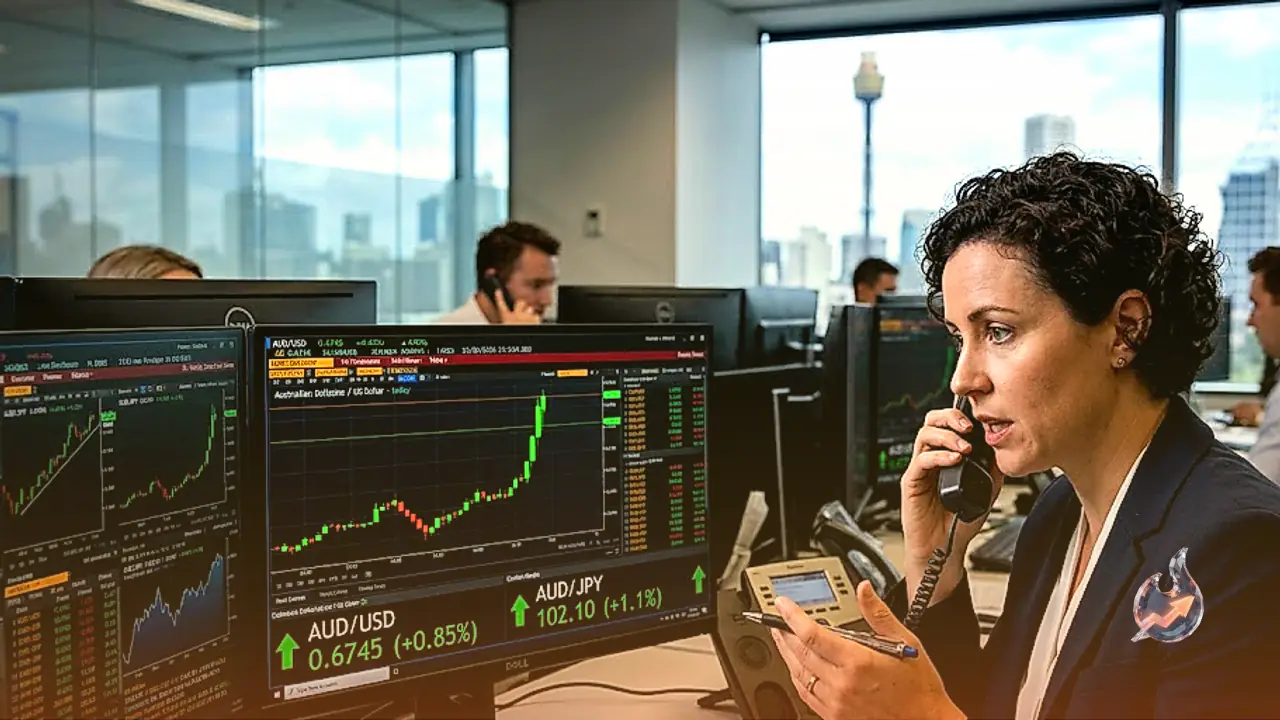
The reverberations of rising geopolitical tension and central bank maneuvers were clearly mirrored across major foreign exchange pairings. The Australian Dollar managed to hold its ground comfortably above 0.7100 against the greenback during Monday's Asian trading session. While the US Dollar paused its gradual retreat from highs last recorded in late July due to lingering regional uncertainties, the Aussie absorbed the status quo stance adopted by the PBOC regarding its Loan Prime Rates. Providing durable support to the Australian currency are widespread market assumptions that the RBA may execute an additional interest rate increase, even as participants monitor the run-up to the anticipated Trump-Xi Summit.
Simultaneously, the US Dollar faced downside pressure against the Japanese Yen, with the currency pair easing beneath the 157.00 threshold in Asian hours. Sentiment around the Yen gained moderate traction following Friday's rate check conducted by the BoJ, which heightened market sensitivities around potential direct official intervention. A scheduled domestic holiday in Japan added an extra layer of caution, particularly as traders kept tabs on parallel geopolitical frictions spanning Eastern Europe between Russia and Ukraine alongside Middle Eastern developments.
Bullion Stumbles Near Highs while Dogecoin Rallies
In commodities, gold began the trading week on the back foot after stumbling in its bid to conquer the $4,400 per ounce threshold on Friday. Spot gold hovered near $4,350 as participants reassessed how ongoing Middle Eastern unrest might feed into broader inflationary pressures. Shifts in inflation projections hold direct consequences for monetary policy paths, altering the opportunity cost and subsequent demand for non-interest-bearing precious metals.
In contrast, the digital asset space displayed positive momentum, with Dogecoin advancing past the $0.088 mark after notching a weekly gain of nearly 6%. The upbeat tone across the meme-inspired cryptocurrency is primarily underpinned by renewed institutional participation channeled via DOGE spot Exchange Traded Funds. Technical indicators tracking momentum are showing consistent improvement, while on-chain observations indicate deliberate accumulation by prominent large-scale holders, reinforcing a constructive backdrop for the coin.
Macroeconomic Data and Policy Normalization
Macroeconomic releases remain relatively sparse across the domestic calendar this week, placing significant weight on the upcoming new home sales figures scheduled for release on Thursday. Projections indicate a modest turnaround in August with sales expected to rise 2.6% to reach an annualized pace of 623K, partially bouncing back from a steep drop recorded in July. Even though elevated mortgage rates continue to dampen buyer affordability, homebuilders have preserved buyer incentives, preventing broader market conditions from deteriorating sharply over the month.
Meanwhile, central banking developments saw the Bank of Japan deliver a widely anticipated policy move by lifting its short-term interest rate target from 1.00% to 1.25%. The 7-2 vote outcome represents another definitive benchmark in Japan's gradual transition toward conventional monetary parameters, perfectly aligning with consensus expectations cultivated across recent weeks.