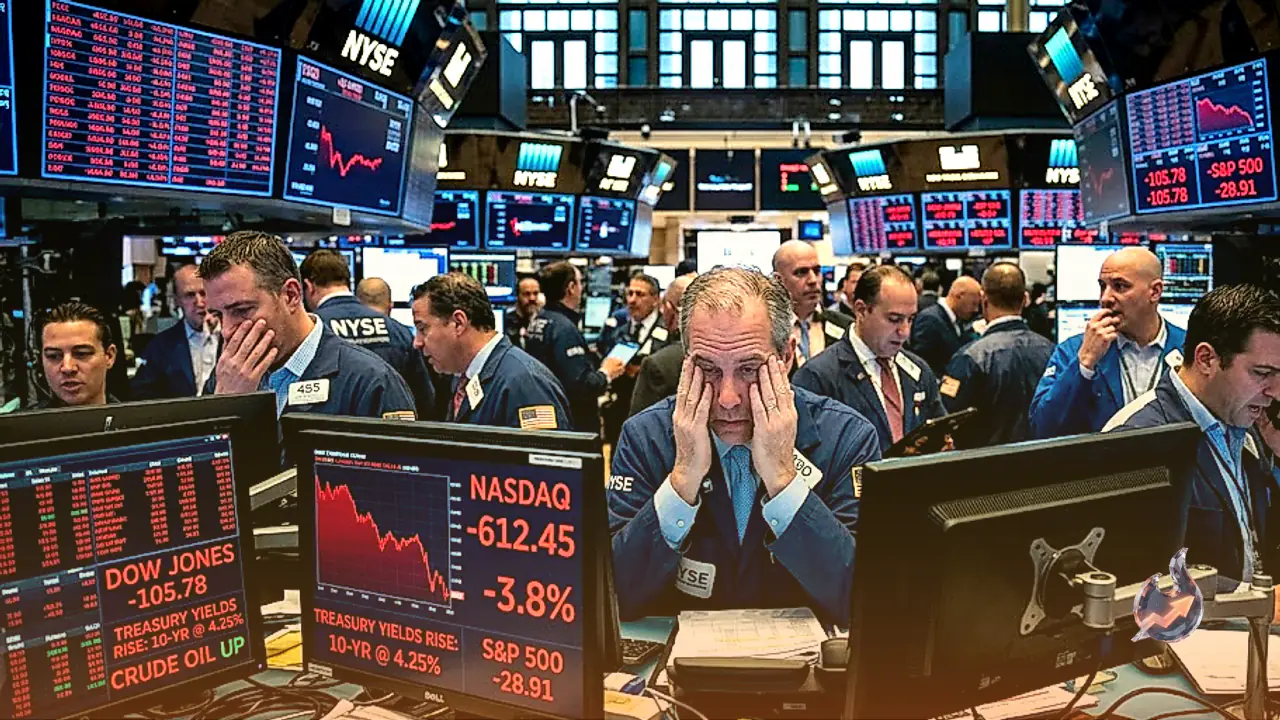























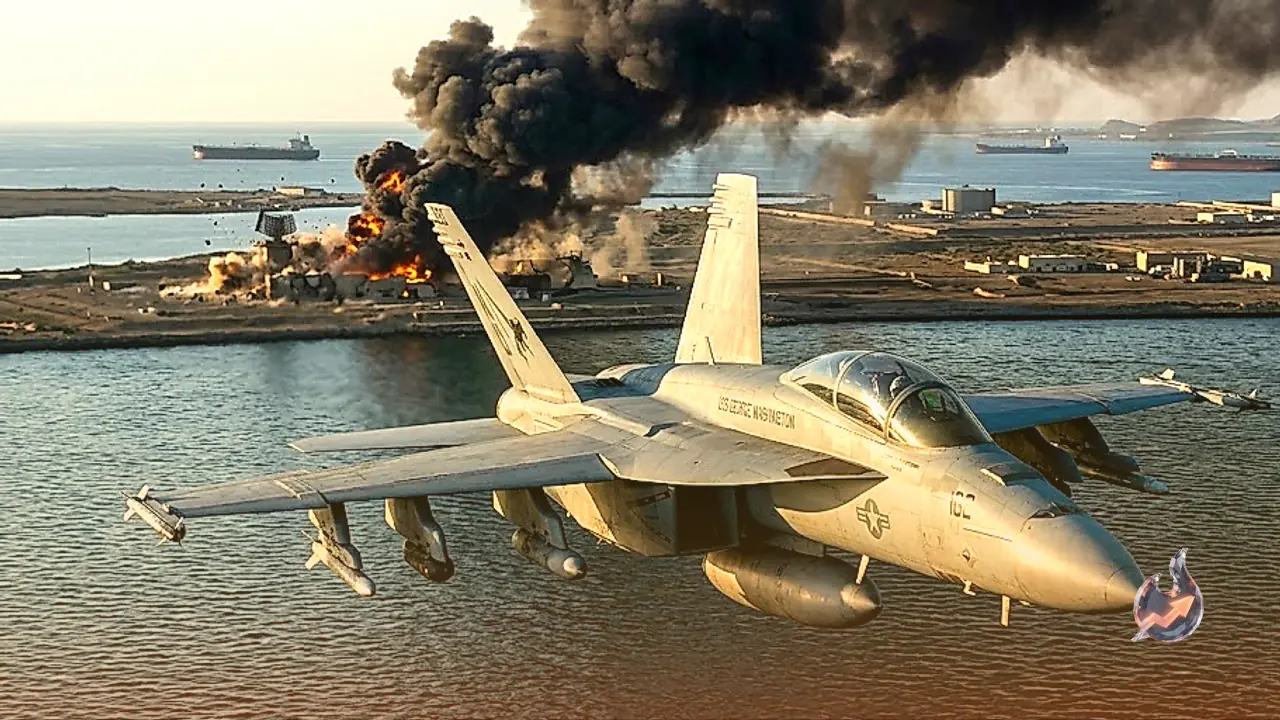

The United States has launched a fresh series of military strikes against Iran, targeting more than 80 positions in and around the Strait of Hormuz, just days after the latest update to the Versailles accord. President Donald Trump has officially declared the agreement void, though he has left the door open for potential future negotiations. The impact on global energy markets was immediate, with Brent crude surging 6.3% and WTI climbing 6.4%. This sequence of events signals that the situation has evolved beyond isolated strikes into a recurring, accelerating loop of attack and retaliation that resets in days rather than months.
Military Escalation in the Strait
The latest cycle of violence began when Tehran attacked three tankers transiting the strait between Monday and Tuesday. Washington responded by revoking the waiver that had previously permitted Iranian oil sales. This was followed by a comprehensive strike package executed by the US Central Command (CENTCOM), which officials described as four to five times larger than the military operation conducted ten days prior. The offensive neutralized air defense systems, coastal radar arrays, anti-ship missile sites, and more than 60 small boats belonging to the Revolutionary Guard. Reports from Israel's Kan indicate that Washington provided notification to Israeli authorities shortly before the strikes commenced.
The Fragility of Diplomacy
The Versailles accord proved to be highly unstable, fracturing within a week of its signing. Although subsequent patches were applied to stabilize the agreement, it has effectively collapsed again in less than ten days, with each successive period of calm lasting shorter than the last. The structural design of this conflict loop offers no mechanism to prevent the next iteration from occurring, which remains centered in the waterway between Bandar Abbas and the Omani coast. Current conditions offer no indication that the next outbreak of hostilities will be delayed for long.
Market Reactions and Central Bank Policy
Amid the persistent geopolitical instability, financial markets are experiencing significant volatility. On Wednesday, the GBP/USD currency pair accelerated its advance, successfully clearing the critical 1.3400 barrier to reach new multi-week highs, driven by a resurgence in selling interest for the Greenback. Similarly, the EUR/USD pair managed to sustain gains above the 1.1400 hurdle, reversing an initial dip as the market shifted focus toward the upside. Gold also showed resilience, bouncing back from earlier lows as it turned its attention toward the $4,100 per troy ounce mark. Meanwhile, central banks, including the Federal Reserve, the European Central Bank, and the Bank of England, appear to be pivoting away from providing explicit forward guidance, leaving traders to navigate an increasingly opaque policy landscape.