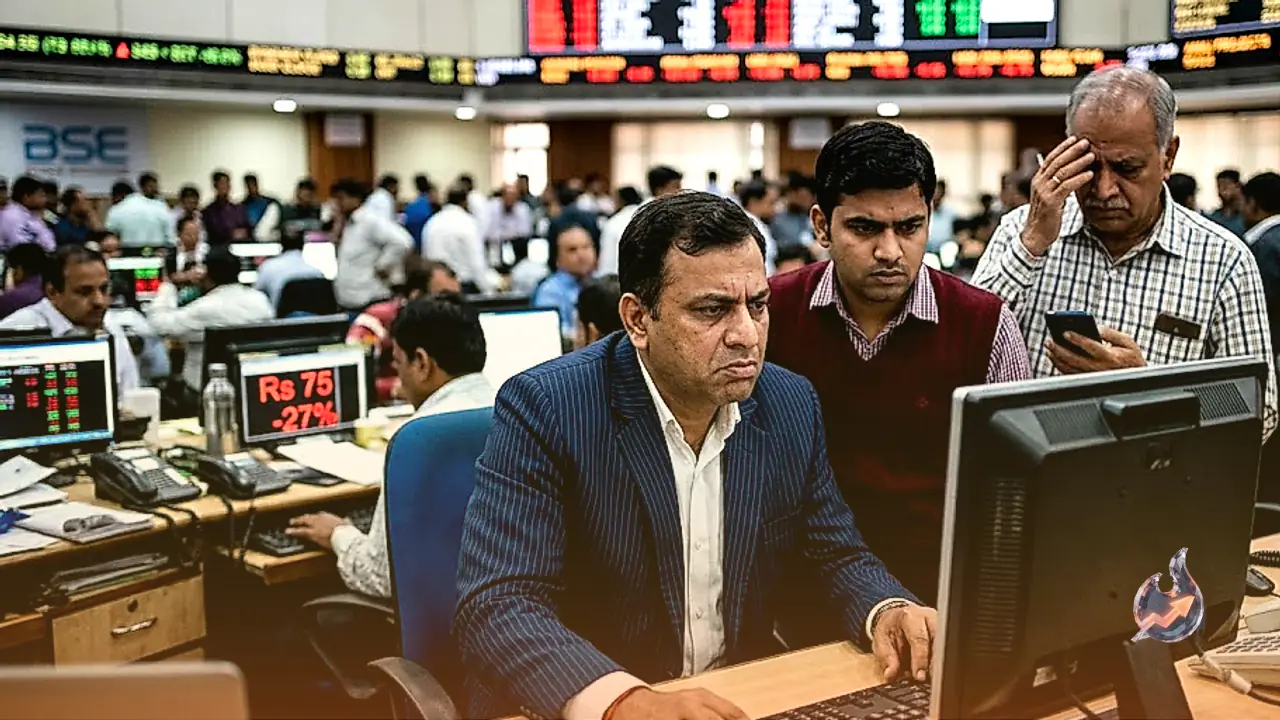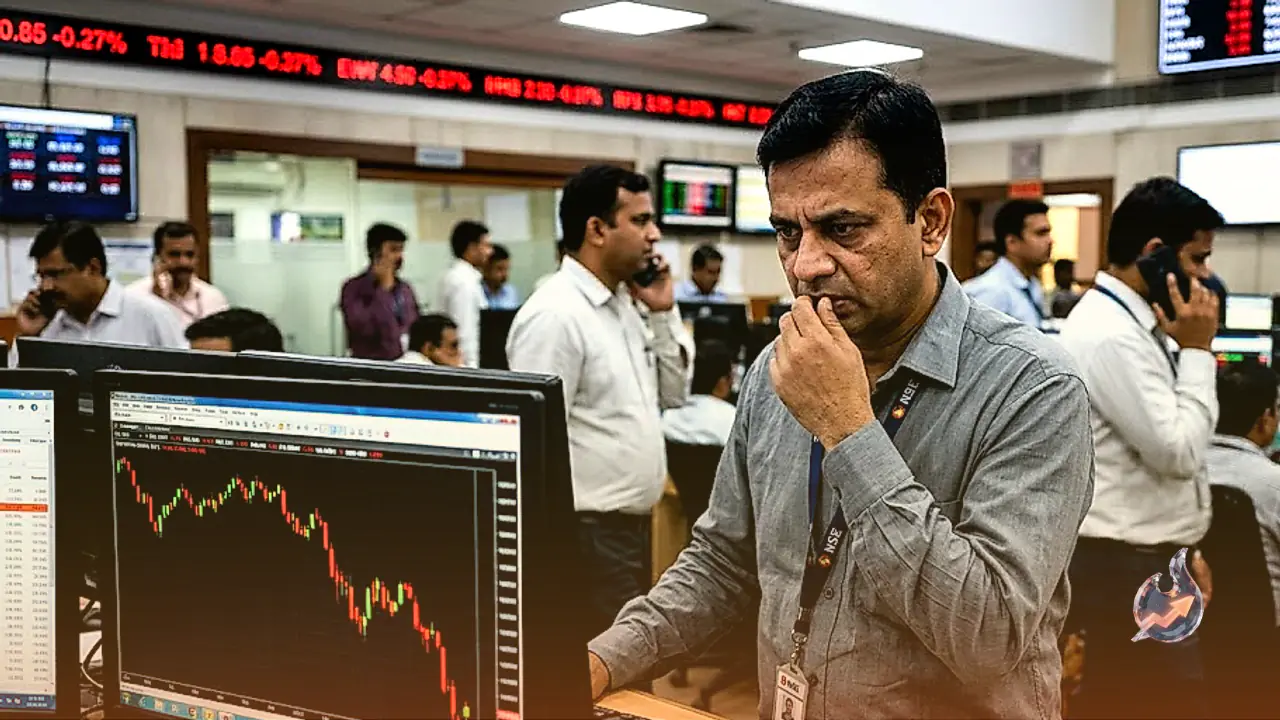
























Financial markets across the globe are experiencing a widespread sell-off driven by a sharp surge in benchmark government bond yields and escalating geopolitical friction in the Middle East. Yields on government debt in both the United States and Japan reached multidecade and multi-month records, eroding investor appetite for risk assets. Consequently, major equity indices across the United States, Europe, and Asia posted noticeable losses, while crude oil prices extended their rally.
Global Bond Yields Surge to Multi-Year Highs
The sovereign bond sell-off accelerated as the United States 10-year Treasury yield advanced by 4.8 basis points to hit 4.80%, marking its highest level since late 2023. During Asian trading hours, the 10-year yield touched 4.81%, reaching a peak last observed in November 2023. Simultaneously, Japan's 10-year government bond yield crossed the 3% threshold for the first time in 30 years. The rise in nominal and real yields created significant headwinds for stock valuations globally, reducing the appeal of equity assets.
Wall Street and Technology Stocks Face Selling Pressure
Rising borrowing costs weighed heavily on American equity benchmarks. The S&P 500 dropped 0.71%, while the tech-heavy Nasdaq Composite declined by 1.03%. The Magnificent 7 group of megacap technology stocks also lost 0.72%. The sharpest decline was recorded in the Philadelphia Semiconductor Stock Exchange Index, which plunged 2.14%. Futures markets reflected ongoing caution following the overnight session, with S&P futures trading 0.10% lower and Nasdaq futures slipping 0.26%.
European Markets Soften Amid Geopolitical Risks
European equity benchmarks closed their trading session prior to reports of new US strikes against Iran, resulting in relatively more contained losses across key indexes. The pan-European Stoxx 600 index slipped 0.56%, while the United Kingdom's FTSE 100 fell 0.32% and France's CAC 40 contracted by 0.39%. Germany's DAX index underperformed its regional peers with a 1.10% drop. Futures tracking the Stoxx index indicated continued weakness, hovering about half a percent lower.
Asian Benchmarks Lead Regional Losses
Asian stock markets continued the downward trend, led by heavy losses in Japan and South Korea. The Nikkei 225 index dropped 2.95%, while South Korea's Kospi recorded a 3.79% slump. Chinese and Hong Kong indices also suffered declines, with the CSI 300 slipping 1.25%, the Shanghai Composite falling 0.82%, and the Hang Seng Index contracting by 0.96%.
US Dollar Gains Safe-Haven Support in Forex Markets
In currency markets, ongoing geopolitical conflicts in the Middle East provided safe-haven flows toward the US Dollar. The GBP/USD currency pair declined toward the 1.3500 level during early European trading on Wednesday. Traders holding the British Pound are closely watching for the release of the US August non-farm payrolls data on Friday.
Meanwhile, the EUR/USD pair lost ground to around 1.1575 during early European hours. A combination of a hawkish Federal Reserve monetary stance and Middle East tensions bolstered the Greenback against the Euro. Upcoming market triggers include Eurozone Retail Sales data and the comprehensive US employment report on Friday.
Crude Oil Advances, Diesel Record High, Gold Pressure
In commodities, gold prices continued to decline on Wednesday as surging US Treasury yields and rising energy costs mounted downward pressure on the precious metal. Market participants are monitoring the upcoming US ADP Employment Change figures for August for further direction.
Conversely, energy commodities moved higher. West Texas Intermediate (WTI) crude oil gained ground for the third consecutive session, representing a positive move in five of the last six trading days and touching its highest level since July 24 during Asian trade. Additionally, the US diesel crack spread, measuring ultra-low sulphur diesel futures against WTI, surged past $100 per barrel for the first time on record, hitting an intraday peak slightly above $102.00.
Cryptocurrencies Retrench After August Gains
Digital assets also felt pressure as market sentiment weakened globally. Leading cryptocurrencies Bitcoin (BTC), Ethereum (ETH), and Ripple (XRP) remained under downside momentum following strong performance in August. Technical indicators suggest softening momentum, with BTC displaying early bearish signals. ETH extended its decline following a rejection near the $2,500 psychological level, while XRP consolidated beneath key support thresholds.