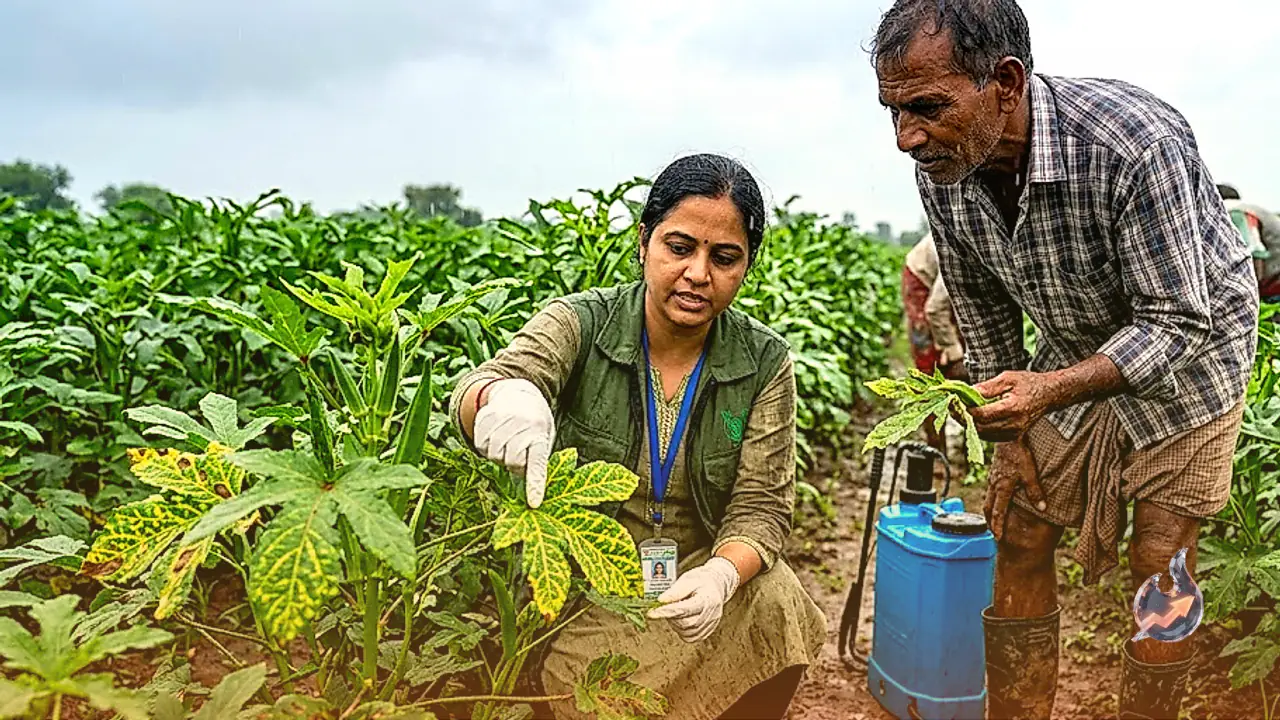

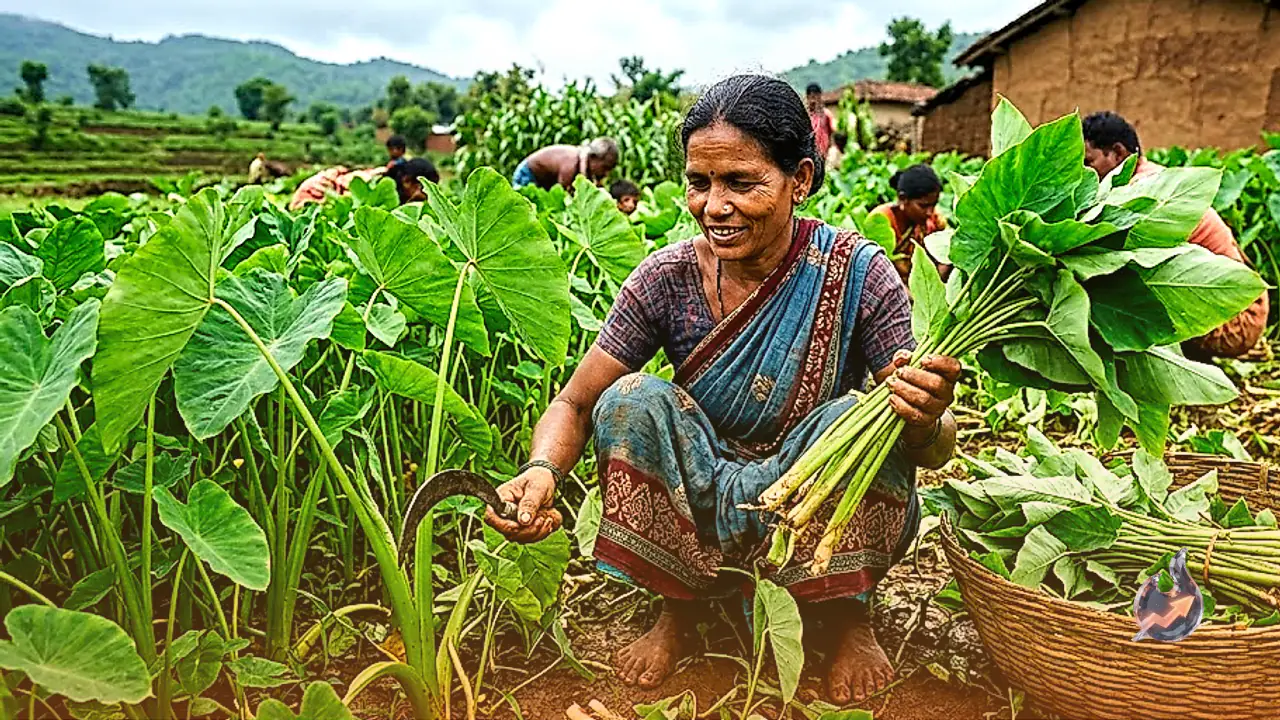





















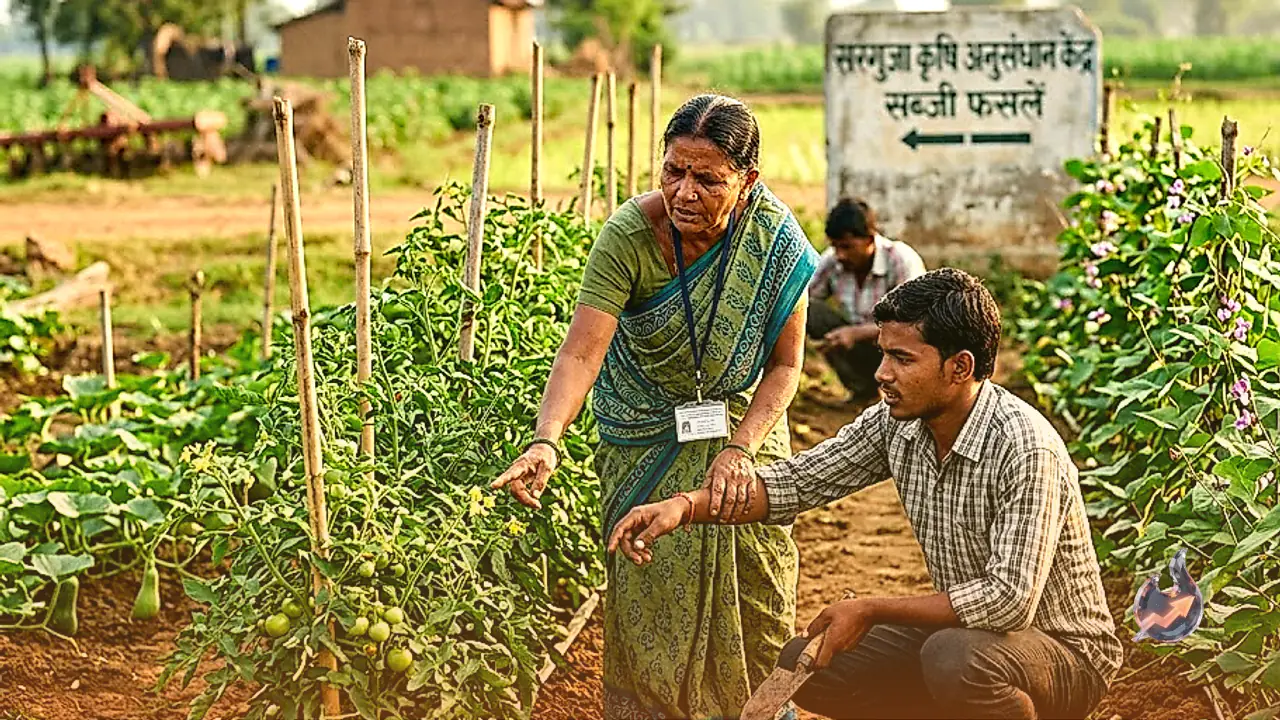

Agricultural producers in Surguja district have a strategic window this month to significantly elevate their farm income through targeted vegetable cultivation. Farm experts encourage growers to capitalize on the ongoing monsoon phase by prioritizing climbing vines and high-value short-duration crops. Choosing the right September varieties not only curtails overall operational costs but also positions farmers to capture lucrative early-market rates.
Current Crop Progress Across Fields
Agricultural fields across the region are witnessing several vegetable crops approaching maturity. Standing plantings of brinjal, hyacinth bean, and green chilli are nearing harvest readiness. Simultaneously, growers continue to tend to their tomato fields, working to bring the crop to fruition. Agricultural specialists note that tomatoes will require slightly more time before reaching full harvesting potential.
Financial Advantages of Early Bean Planting
Cultivating early varieties of hyacinth bean serves as a highly profitable venture for agriculturalists. During the opening phases of the supply season, consumer demand for fresh vegetables remains strong while market arrivals stay low. Consequently, early harvests fetch premium wholesale rates, directly lifting the overall financial returns of farming households.
Resilience of Climber Vegetables During Heavy Rains
Vining crops offer exceptional stability during rainy weather conditions. Vegetables such as bottle gourd, ridge gourd, sponge gourd, and cowpea demonstrate strong tolerance against monsoon moisture. Given favorable field management and adequate trellising, these vine varieties deliver robust yield volumes, making them dependable options throughout September.
Aligning Field Operations with Market Demand
Agricultural expert Sanjay Yadav emphasizes that aligning planting schedules with seasonal weather trends and market demand is crucial for maximizing earnings. Adopting timely sowing techniques and maintaining proper crop management ensures superior crop quality. By viewing monsoon conditions as an avenue for seasonal crop diversification rather than an impediment, farmers can unlock substantial supplementary income.