
























WTI Crude Oil trades just under 91.00 dollars, up 1.6%, hovering near seven-week highs as shipping bottlenecks and refining limits drive market concerns. Hormuz tanker traffic has dropped to its lowest rate since May, creating a stark contrast between total crude availability and processed fuel supplies. Distillate inventories sit 14% below their five-year average, while crude oil stocks remain 1% above.
Production Realities and Transit Bottlenecks
The recent price climb of roughly 10 dollars from the 81.00 dollar area over nine sessions occurred without a single barrel stopping production globally. The current market rally revolves around transport logistics and destination viability rather than raw extraction limits. American forces struck vessels over the weekend, and tensions in the Strait of Hormuz have restricted the average passage to roughly 10 commodity vessels per day over the latest ten-day period, marking the lowest transit rate since May.
The Refining and Distillate Crunch
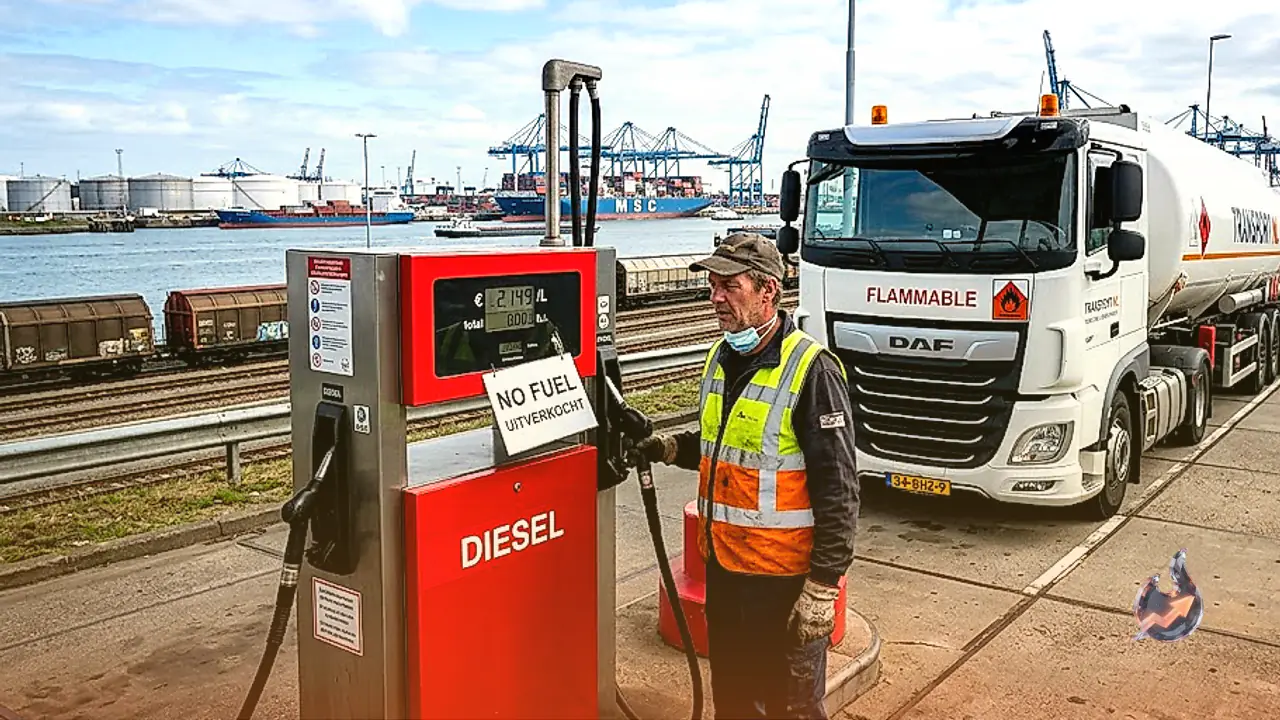
While United States commercial crude inventories remain about 1% above their five-year average, distillates covering diesel and heating fuel are about 14% down from their seasonal norms. The week ending August 21 marked the lowest seasonal level in Energy Information Administration records and the lowest for any August since 1951. Gasoline production shares the same refining bottleneck, sitting 17% below its own record. The New York Harbor diesel crack spread surged to roughly 107 dollars on September 1, and retail diesel hit an all-time high of 5.85 dollars a gallon on September 4, illustrating a distinct refining shortage rather than a crude supply deficit.
OPEC Plus Decisions and Infrastructure Limits
OPEC+ kept October output unchanged following six consecutive months of increases as members worked toward revised quotas. Much of the group spare capacity remains situated within the Gulf, meaning additional barrels would still have to navigate the troubled strait. While crude shortages can be addressed by pumping more oil, refining shortages require massive plant investments that take years to permit and construct.
Upcoming Economic Data and Technical Outlook
Key economic indicators including the Producer Price Index and Consumer Price Index are scheduled for release later in the week, bringing further catalysts for energy pass-through into pricing. Technically, the 89.00 dollar handle provides immediate support, while the 92.00 dollar zone acts as a primary resistance ceiling. A credible improvement in Hormuz transit routes remains the most direct factor capable of easing pricing pressures faster than technical chart levels.