























As the final quarter of 2026 approaches, global financial markets continue to navigate a distinct dichotomy. While artificial intelligence remains a powerful engine of market optimism, a host of headline risks continues to loom large over the global economy. Navigating this fast-changing environment requires a clear strategic framework to position portfolios effectively against both emerging opportunities and lingering threats.
Balancing Market Optimism and Persistent Risks
The prevailing market landscape is heavily influenced by a combination of technological momentum and macro uncertainties. Key geopolitical flashpoints, such as the unresolved situation in the Middle East, continue to generate volatility. At the same time, lingering inflation concerns and the approaching US mid-term elections are keeping investors on edge. These competing forces ensure that markets remain dynamic, offering a complex mix of risks and rewards.
Broadening Earnings Beyond Technology and the US
Market strategists anticipate that earnings growth will increasingly expand beyond traditional technology stocks and US equities. Asia has emerged as a primary beneficiary of surging global chip demand and rapid data centre expansion, cementing its strategic importance within the global AI supply chain. Furthermore, the widespread adoption of AI technologies is driving productivity gains across various geographic regions, including Europe.
Diversification Through Defence and Re-industrialization
Beyond the technology sector, rising defence spending and American industrial revitalization are creating broader opportunities across Financials, Materials, and Energy. This multi-sector participation supports better portfolio diversification. Consequently, exposure to global equities has been increased, with a strong preference for the US and Asia, alongside a balanced sector allocation. Fixed-income assets also present attractive real yields, offering both steady income and resilience against market volatility.
Currency Movements and Safe-Haven Dynamics
In the foreign exchange market, the AUD/USD pair consolidated just below its mid-May highs, hovering near the 0.7200 mark at the start of the week. Hawkish expectations surrounding the Reserve Bank of Australia continue to support the Australian dollar. Meanwhile, a strong US non-farm payrolls report has reinforced expectations for Federal Reserve rate hikes. Combined with rising geopolitical tensions between the US and Iran, this has strengthened the safe-haven US Dollar and capped gains for the currency pair.
Yen Weakness and Gold Price Resilience
The USD/JPY exchange rate extended its downward trajectory, sliding toward seven-month lows near the 154.00 level amid an increasingly hawkish repricing of the Bank of Japan's policy outlook and ongoing repatriation discussions. In the precious metals market, Gold managed to recoup some of its previous losses, reclaiming the 4,400 dollar per troy ounce threshold. This recovery followed a softer Greenback and cautious trading ahead of crucial US economic data releases later in the week.
Cryptocurrency Momentum and Energy Market Records
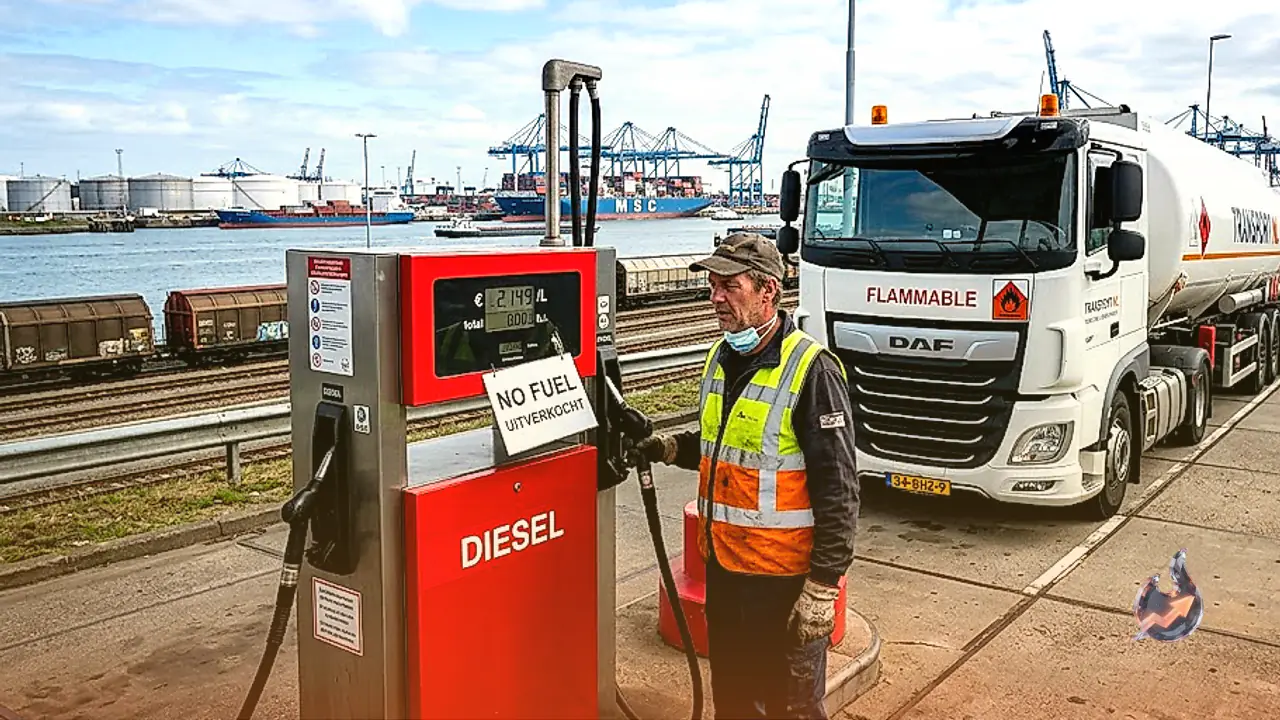
In the digital asset space, Bittensor traded in positive territory, extending a strong five-day rally with a 25% gain. Social media discussions around Bittensor surged following the launch of a similarly named meme coin on Solana and the release of ChatGPT-6 Astra, with technical momentum pointing toward a potential breakout above the 300 dollar mark. Meanwhile, the energy market witnessed a historic milestone as the US diesel crack spread, measuring the premium of ultra-low sulphur diesel futures over WTI crude, surged past 100 dollars per barrel for the first time, reaching an intraday record high just above 102.00 dollars.