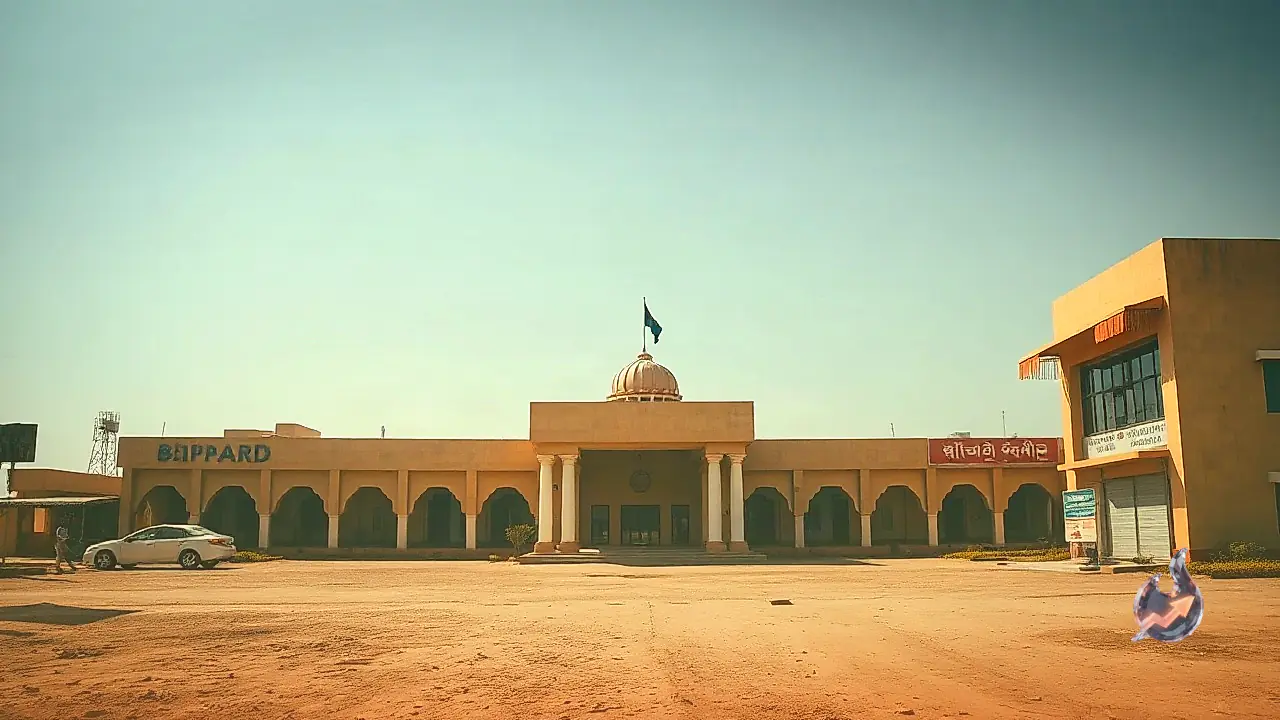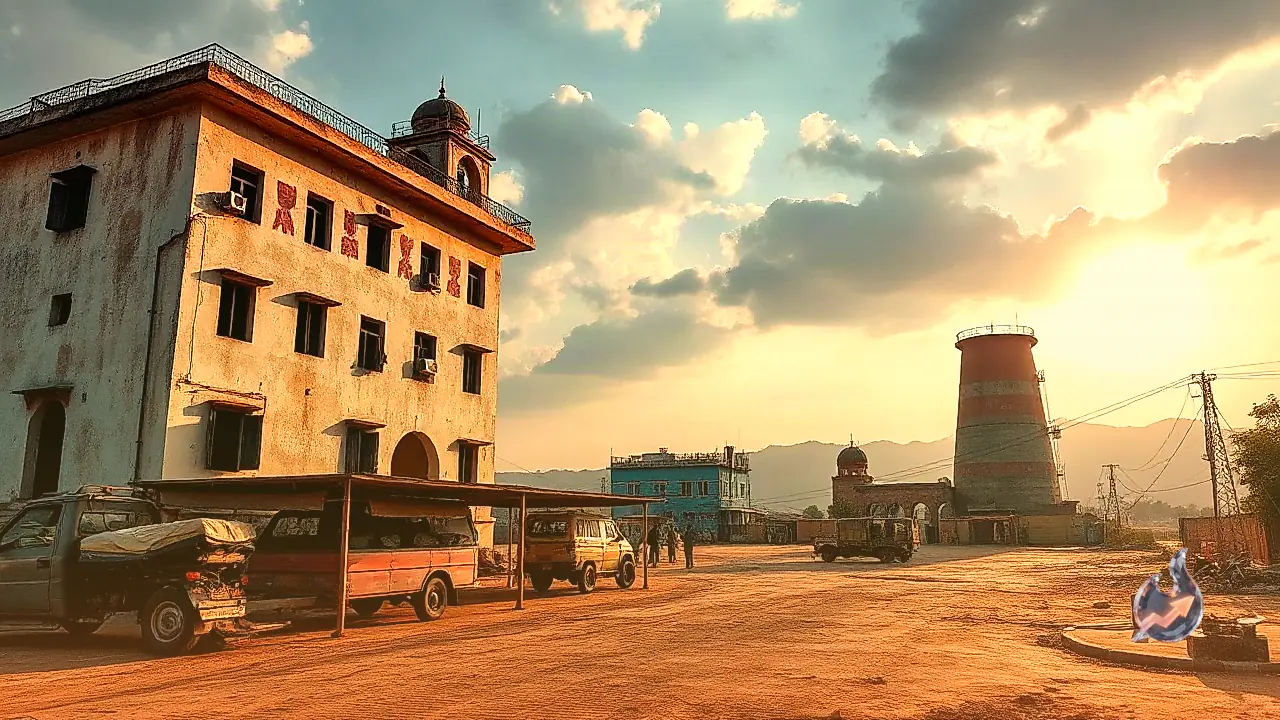


















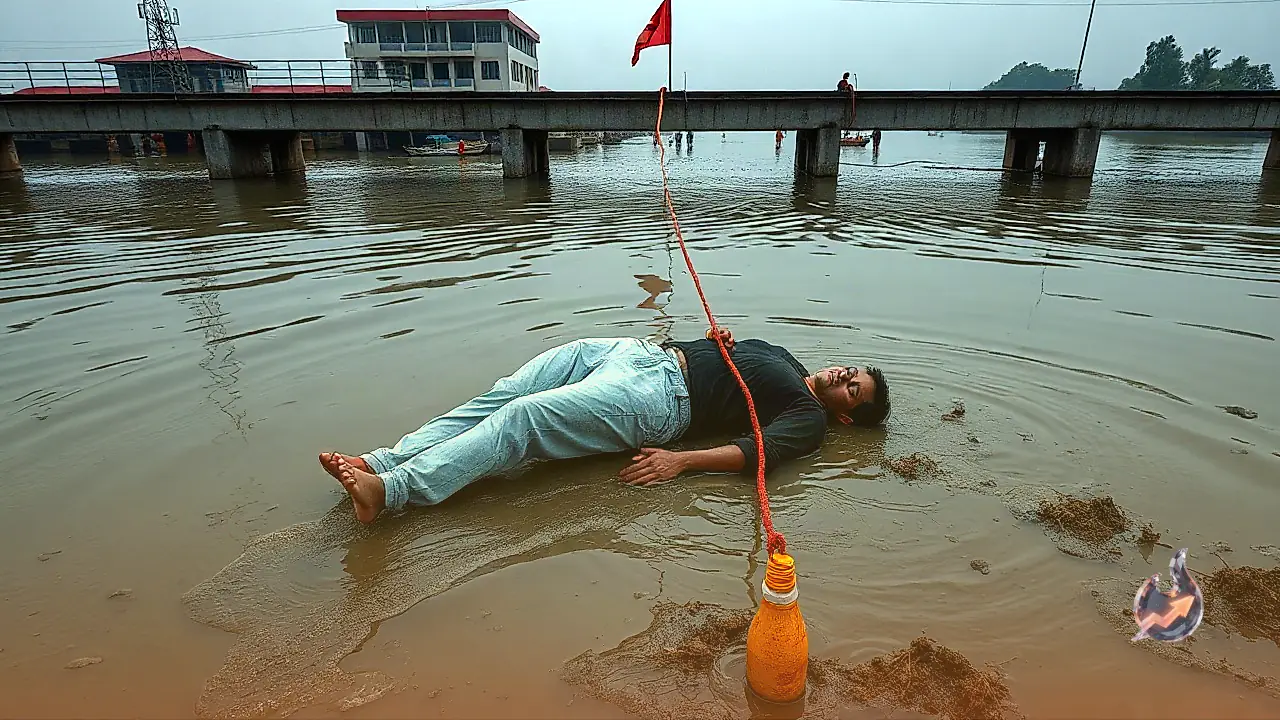

A body pulled from gate number 5 of the Gandak barrage in Bagaha, West Champaran, triggered fresh alarm on Monday morning, underlining that the flow of bodies down the Gandak river has not stopped even weeks after the disaster in Nepal. With this latest recovery, the total number of bodies retrieved from the barrage area has climbed to 15.
How the body was pulled out of the gate
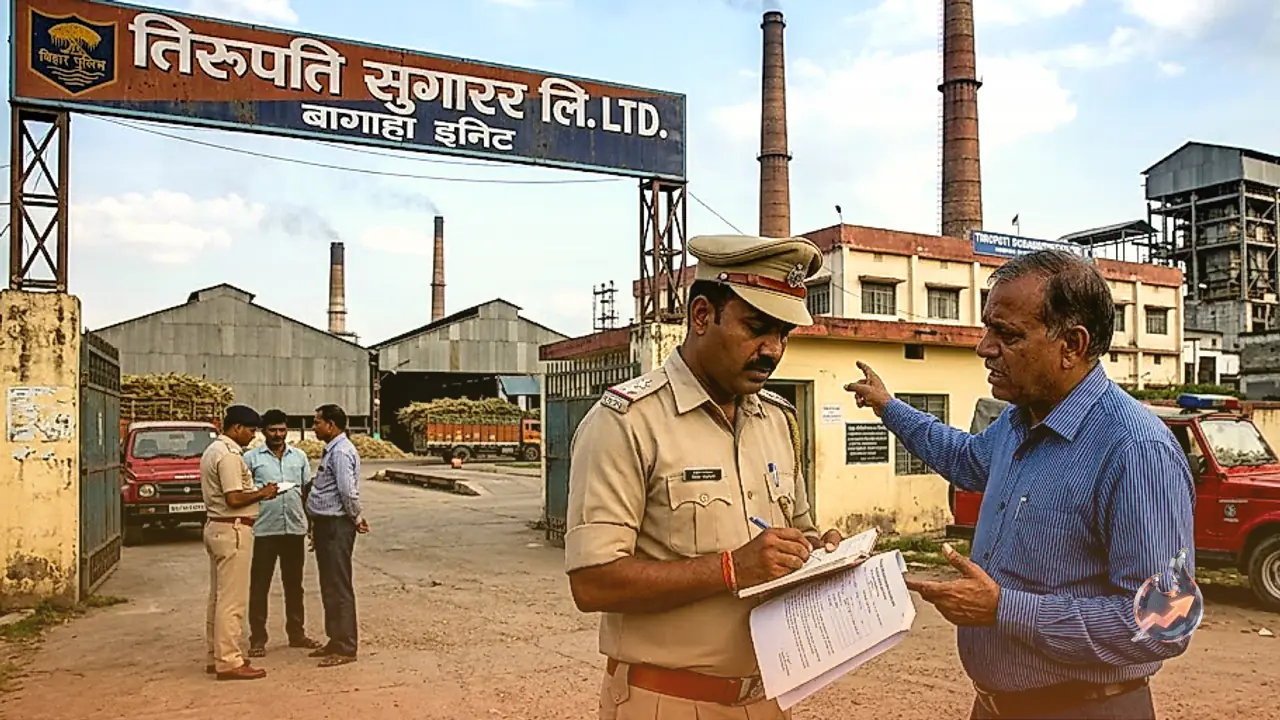
As soon as word spread that a body was stuck at gate number 5 on the India side of the barrage, a team from the Nepal Police and the Nepal Armed Police Force, or APF, rushed to the spot. The two agencies launched a joint rescue operation, and after hours of effort managed to free the body from the gate. Sub-inspector Dhruvo Prasad Bhatt of the Nepal APF's Triveni outpost said, "Information was received in the morning that a body was stuck at gate number 5." He added that the recovered body has not yet been identified, and that it was sent to the Sadar Hospital for a post-mortem once the required legal formalities were completed.
Toll reaches 15 as monitoring continues
According to sub-inspector Bhatt, a total of 15 bodies have now been recovered from the Gandak barrage area since the Rasuwa disaster. Every gate of the barrage and the surrounding stretch of the river is being watched round the clock so that no body or debris passes through unchecked. The agencies involved are still working on identifying the bodies already recovered and completing the legal process that follows each recovery. Officials say identification is taking time because many bodies have spent days in the water and are hard to recognise, so a post-mortem and a match against missing-persons records are required before any body can be handed over to relatives.
Why bodies keep turning up in the river
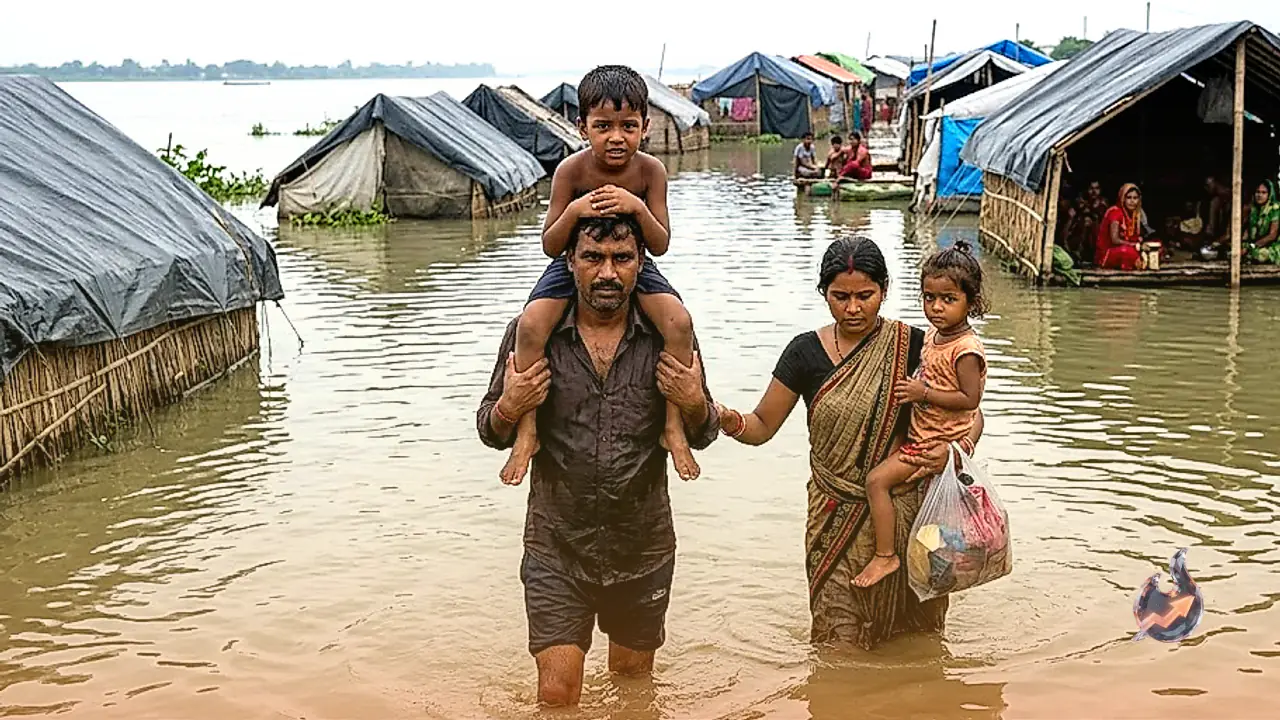
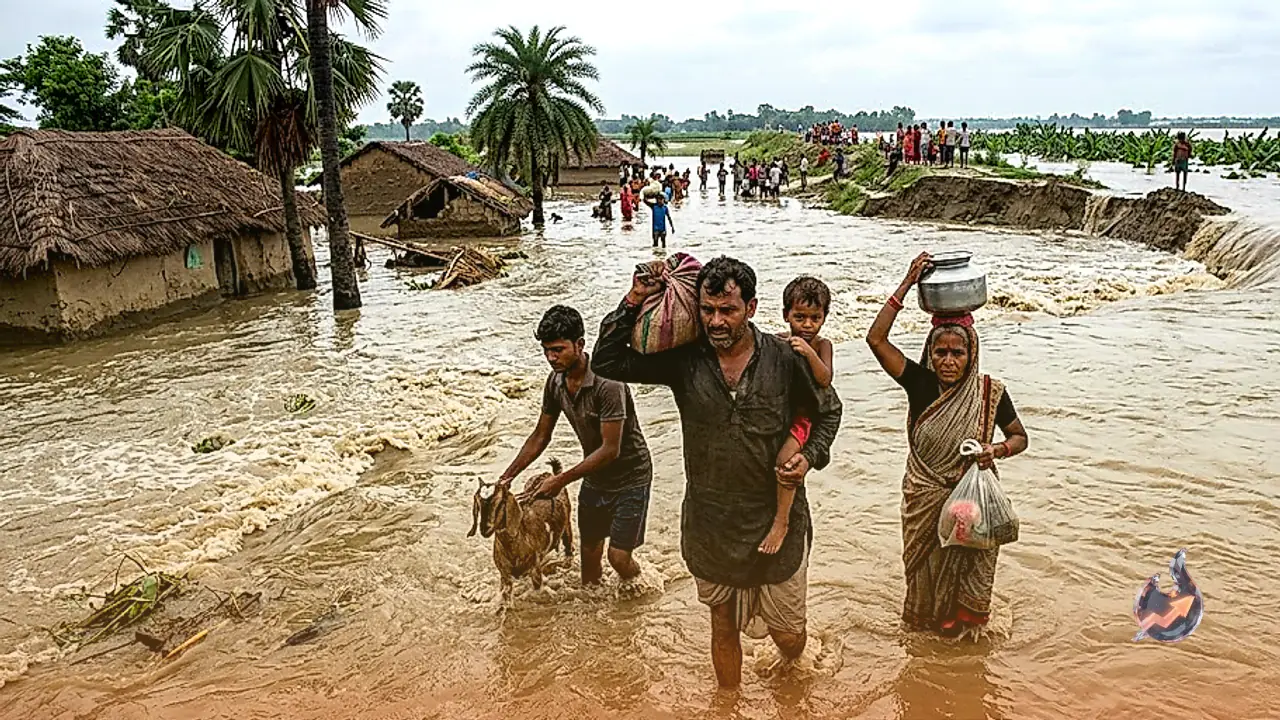
During the peak of the flooding, the gates of the Gandak barrage had been raised to let the surging water through. They were lowered on Monday, and it was only after that the APF and police personnel could run their joint operation to free the bodies trapped inside. The chain of events goes back to a severe avalanche and a dam breach in Nepal's Rasuwa region on August 26, which caused the water level in the Gandak to shoot up sharply. Ever since, the barrage's different gates have been kept under constant watch. Because most of Nepal's rivers eventually flow into Uttar Pradesh and Bihar, debris and bodies from the flood are making their way across the border into Indian territory. Twelve days on from the disaster, fresh signs of the destruction are still surfacing along the river.
Families holding symbolic funerals for the missing
The scale of the devastation in Nepal is such that several families have stopped waiting for their missing relatives to be found and have already begun performing last rites for them. With no body to cremate, these families are building symbolic effigies out of grass to bid farewell to the loved ones they lost to the floods.