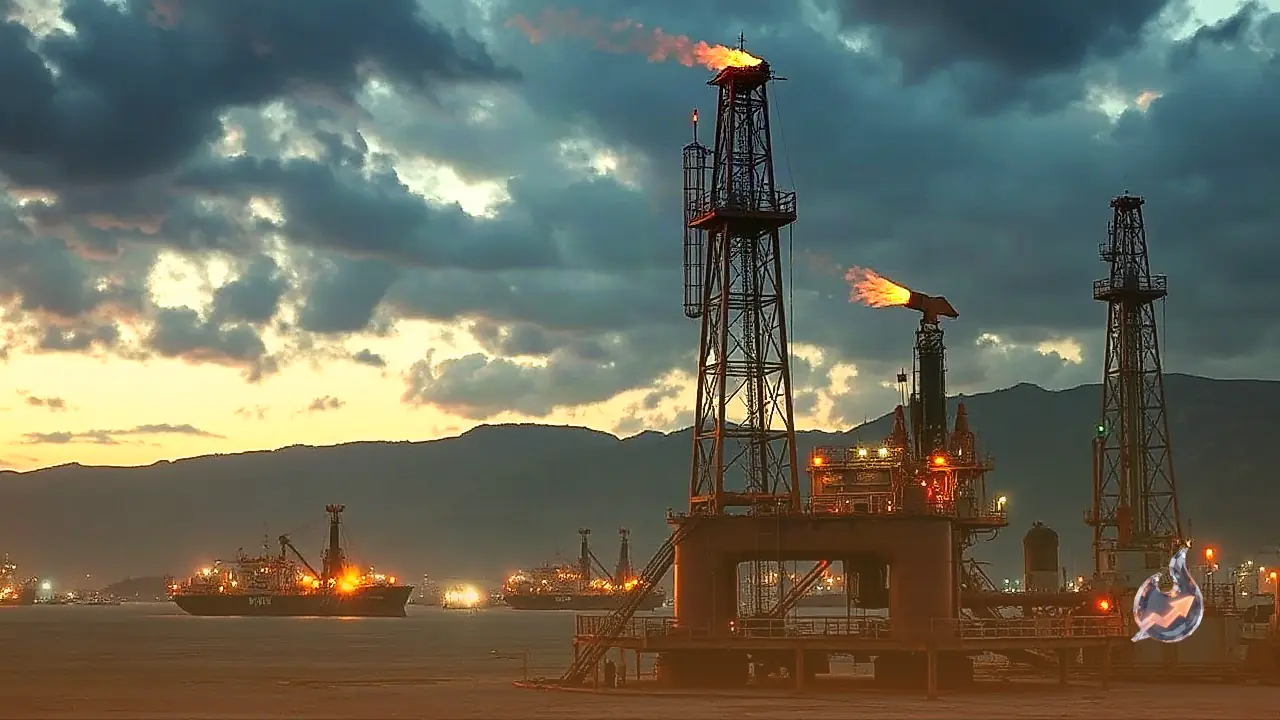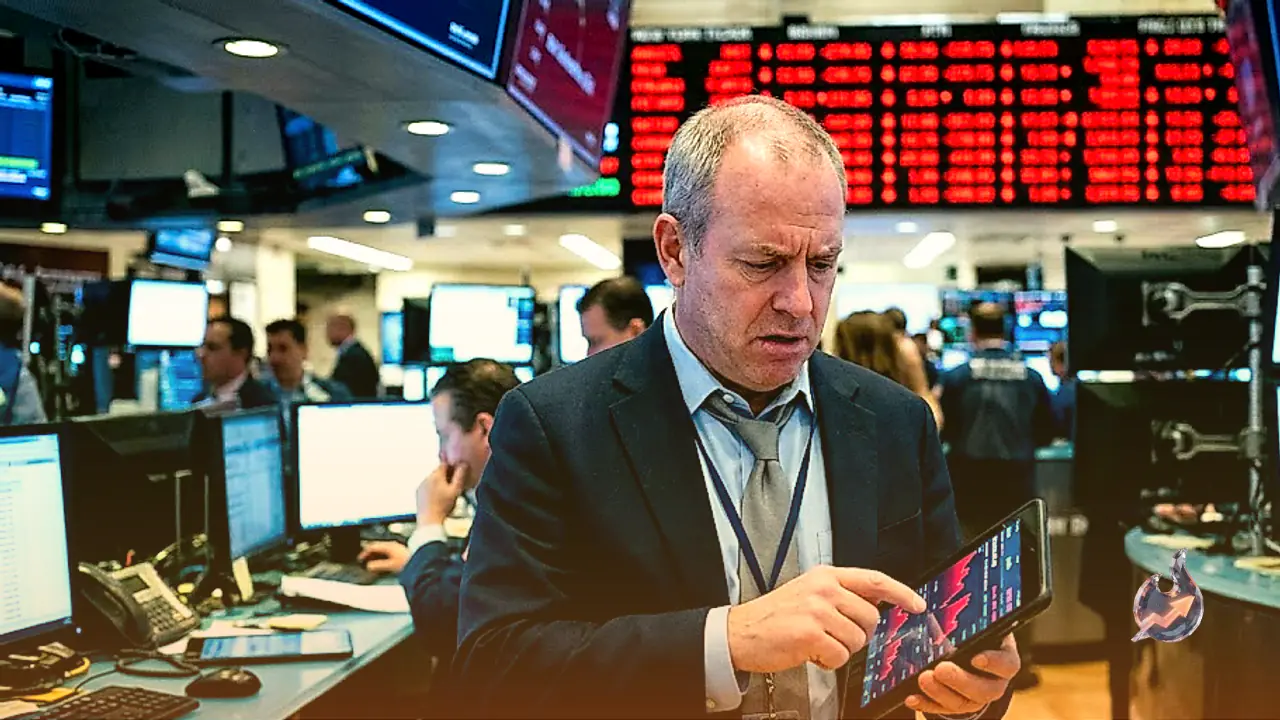























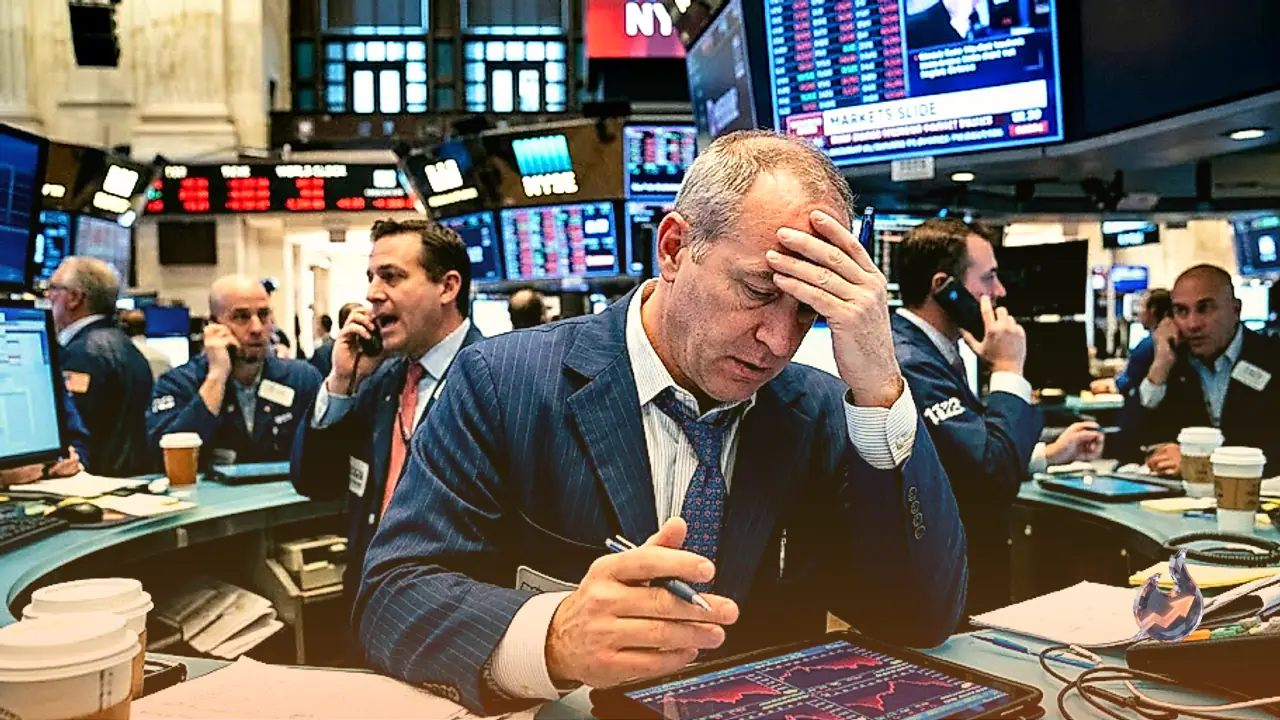

A severe wave of global market instability has been triggered as US President Donald Trump announced a sweeping set of new import tariffs on more than 80 nations. This dramatic escalation in trade policy has crushed investor expectations of a swift macroeconomic recovery, dealing a heavy blow to market sentiment at a time when global financial systems are already reeling from Brent crude prices hovering around $100 per barrel due to the ongoing US-Iran military conflict.
The Global Impact of Rising Energy and Trade Pressures
The convergence of geopolitical warfare in the Middle East and protectionist trade policies from Washington has created a double whammy for international markets. Oil prices sustained at the $100 mark have driven up transportation and production costs worldwide, leaving little room for central banks to ease monetary policy. Against this volatile backdrop, the introduction of widespread import duties has further dampened industrial outlooks and raised fears of a prolonged economic slowdown.
India Hit by Targeted Tariffs Over Labor Issues
India is among the many nations impacted by the new trade offensive, facing a specific 10% tariff. The US administration initiated this duty due to underlying concerns regarding the alleged use of forced labor in manufacturing supply chains that export finished goods into the United States. This new 10% levy is set to become effective on Friday morning, commencing precisely one day before an existing, separate 10% blanket import tax applied to global goods is scheduled to expire.
Pharma Sector Leads Losses as Nifty and Sensex Retreat
The newly structured tariff brackets range from 10% to 12.5% depending on the country. Although India has been placed in the lowest tier of 10%, the local financial markets responded with immediate nervousness. Key domestic benchmarks, including the Nifty 50 and the Sensex, trended lower as domestic equities faced heavy selling. The pharmaceutical segment, which relies extensively on export revenues from North American markets, was hit hardest. Around 2:30 PM IST, major pharmaceutical stocks registered noticeable declines, with Dr. Reddy's Laboratories sliding nearly 1% and Sun Pharma dropping approximately 0.6%.
Why Trade Tariffs Trigger Sell-offs in Financial Markets
Experienced market participants monitor tariff policies with extreme precision because changes in trade duties have immediate, cascading effects across multiple financial channels. There are three primary reasons why these fiscal changes upset the status quo of equity markets.
First, corporate entities are deeply integrated within complex global supply chains. A tariff hike in one region raises the basic cost of doing business across the entire network, raising manufacturing expenses and creating operational friction for importing and exporting businesses worldwide.
Second, tariffs are inherently inflationary. When governments levy additional duties on imported products, businesses typically pass these added expenses directly onto the consumer to preserve their profit margins. This drives up the cost of finished goods and services, leading to a supply and demand imbalance that directly hurts consumer spending power.
Third, inflation spikes directly influence the path of central bank policies. Most major central institutions operate under strict mandates to control inflation, such as the Federal Reserve aiming to keep consumer prices just below the 2% mark, or the Reserve Bank of India, which operates with a target range of 2% to 6%. When external shocks drive up prices, central banks are forced to raise interest rates, which increases borrowing costs for corporations and individuals alike.
Ultimately, these factors damage corporate profitability. When businesses face rising raw material costs and higher interest expenses, their balance sheets and income statements deteriorate. Investors quickly adjust their growth assumptions, leading to downward pressure on equity valuations.
Explaining Section 301 of the US Trade Act of 1974
The legal framework enabling this aggressive tariff action is Section 301 of the US Trade Act of 1974. This specific law grants the executive branch of the US government the authority to investigate the trade behaviors of foreign nations and impose punitive taxes or trade restrictions if those practices are deemed unfair or harmful to American commerce.
The regulatory process under Section 301 involves three systematic steps
- The Investigation: The Office of the United States Trade Representative, commonly known as the USTR, initiates a formal probe after receiving petitions or complaints from domestic businesses.
- Bilateral Negotiation: The USTR engages in diplomatic negotiations with the foreign nation to persuade them to amend the practices or policies under investigation.
- Retaliation: If the bilateral discussions fail to produce a mutually agreeable resolution, the US administration enforces retaliatory measures, most commonly in the form of import tariffs.
This is not the first instance where Section 301 has been leveraged to reshape trade dynamics. During his first presidential term in 2018, Donald Trump famously utilized this statute to apply sweeping tariffs to Chinese imports, sparking a multi-year trade dispute between the two economic giants.
Further Tariff Threat Hangs Over Global Exporters
The trade friction may intensify in the coming months. The USTR is currently executing an active investigation into 16 countries that collectively represent approximately 70% of all US imports. The probe is focused on whether these nations have been exporting massive volumes of goods to American markets at artificially low prices, thereby undercutting domestic US manufacturers. Depending on the final determinations of this ongoing investigation, the US government could move to institute even broader tariffs, presenting a sustained risk to global trade stability.