



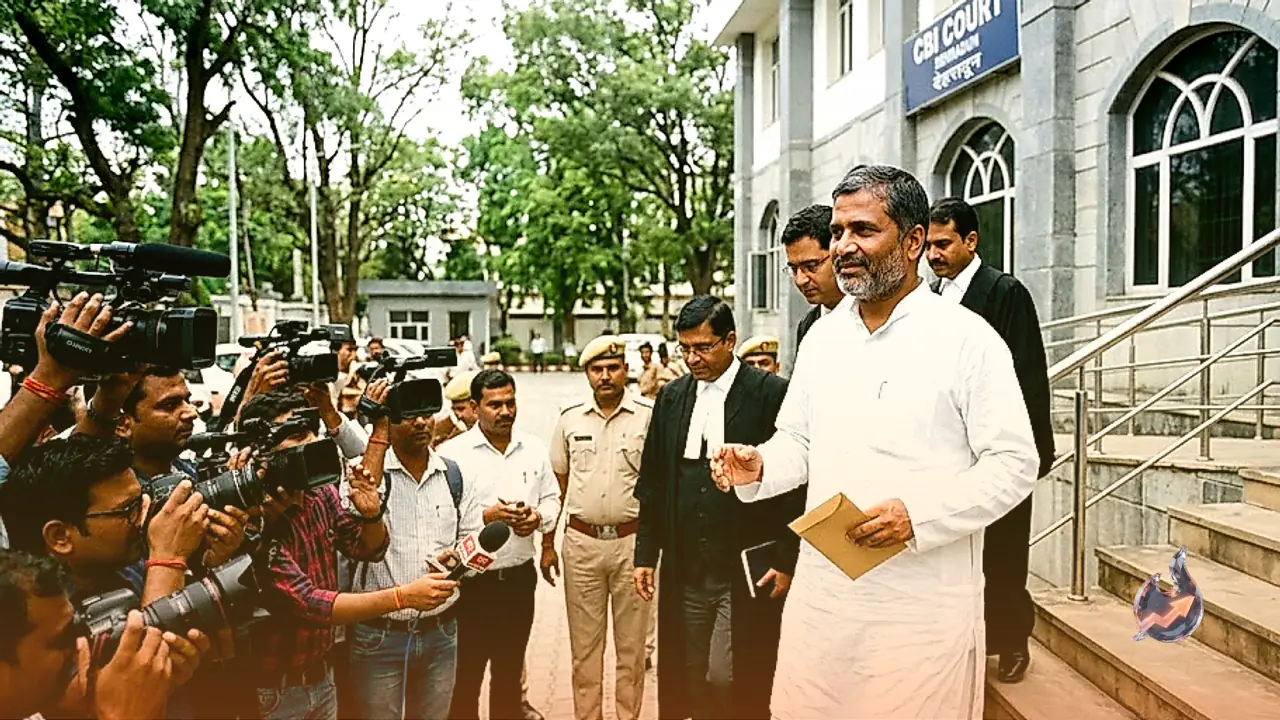















A CBI court in Dehradun has acquitted Patanjali CEO Acharya Balkrishna of all charges in a nearly one-and-a-half-decade-old case involving allegations that he obtained an Indian passport using forged documents. The verdict was delivered by the Third Additional Chief Judicial Magistrate court in Dehradun, which cleared him of every section invoked against him.
How the case began
The controversy dates back to 2011, when a complaint alleged that Balkrishna was originally a citizen of Nepal and had secured his Indian passport on the strength of fake paperwork. The allegation triggered widespread attention at the time. As the probe progressed, the CBI exchanged correspondence with the Nepal government in 2016. The agency subsequently filed a chargesheet against Balkrishna under provisions covering cheating, forgery and the Passport Act. The same investigation also named Naresh Chand Dwivedi, a former principal of an educational institution, as an accused on charges of cheating and forgery.
From complaint to FIR
Official records show the complaint against Balkrishna surfaced in April 2011. The CBI opened a preliminary enquiry in June 2011 and formally registered an FIR the following month, in July 2011. Investigators alleged that the educational certificates submitted for the passport at the Bareilly passport office were not genuine. Those documents were traced to Radha Krishna Sanskrit Mahavidyalaya in Khurja, in Uttar Pradesh's Bulandshahr district, an institution affiliated with Sampurnanand Sanskrit University in Varanasi. Questions were raised over the authenticity of these certificate records at an early stage of the enquiry. The FIR invoked section 120-B for criminal conspiracy, section 420 for cheating, sections 468 and 471 covering forgery of documents, along with relevant provisions of the Passport Act.
Arrest, bail and a month behind bars
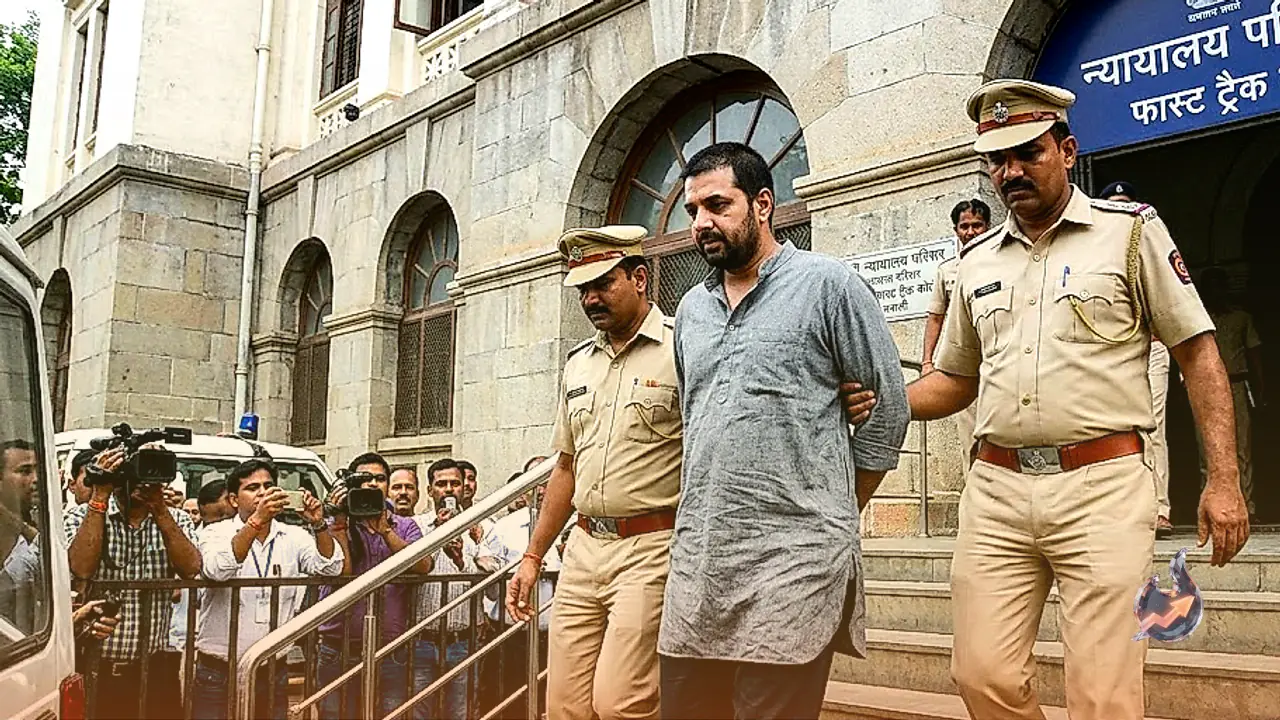
As the case escalated, the Uttarakhand High Court granted Balkrishna interim protection from arrest in July 2011 and directed him to deposit his passport with the court. Roughly a year later, once its investigation concluded, the CBI filed its chargesheet before a special court in July 2012. When Balkrishna failed to appear, a non-bailable warrant was issued against him, and the CBI arrested him on 20 July 2012. He was sent to judicial custody at Sudhowala Jail in Dehradun. After spending about a month in custody, he was granted conditional bail by the Uttarakhand High Court in August 2012.
Framing of charges and the trial
In October 2013, the court formally framed charges against Balkrishna under IPC sections 120-B, 420, 468 and 471, alongside provisions of the Passport Act. Those charges were challenged, and following a Sessions Court order in June 2014, they were revised in August 2014. The trial thereafter proceeded only under IPC section 471, covering forgery, and section 12(1)(B) of the Passport Act, which deals with knowingly furnishing false information or concealing material facts.
Passport returned in 2018, and now an acquittal
Amid the prolonged legal proceedings, the Uttarakhand High Court in 2018 allowed Balkrishna to reclaim his passport and get it renewed. Nearly one and a half decades after the case first surfaced, the Third Additional Chief Judicial Magistrate court in Dehradun has now closed the matter, acquitting Acharya Balkrishna of every charge and every section brought against him.