























West Texas Intermediate crude oil remains depressed near the eighty dollar mark as investors cling to hopes of a fresh round of talks between the United States and Iran. Market analysts from major commercial banks have issued warnings that the recent selloff might represent an overreaction to a fragile and uncertain truce in the region. Crude prices are holding at one-week lows on Tuesday after suffering a decline of more than twelve percent from the highs recorded in the previous week.
Commodity Experts Warn of Overenthusiasm
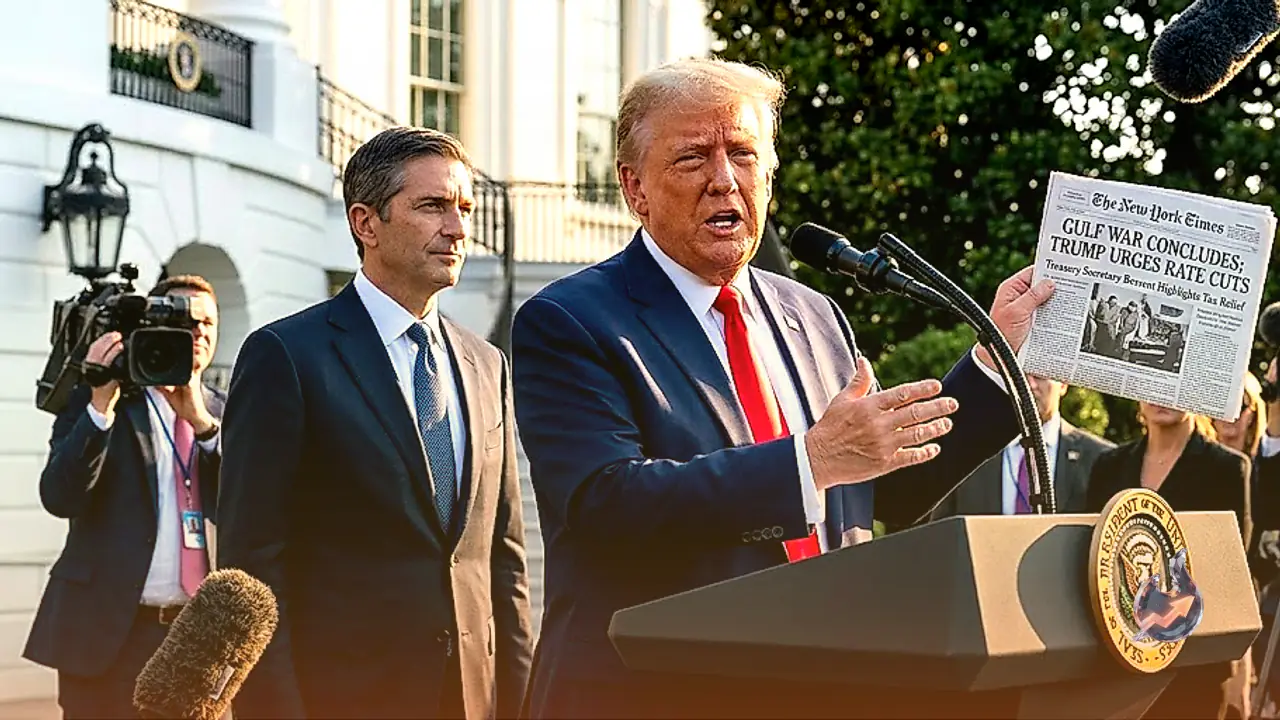
Commodity analysts at ING observe that heavy selling continues in the oil market as President Donald Trump signals ongoing talks with a good chance of a deal. However, they point out that Trump also cautioned that strikes would resume if an agreement fails to materialize. ING adds that for any downward move to be sustained, a recovery in traffic through the strategic strait will be necessary, noting that the market must continue pricing in a large risk premium given how quickly recent events have unraveled.
Currency Markets and Precious Metals Response
In currency and precious metals trading, Gold or XAU/USD maintains its offered tone through the European session on Tuesday, nearing the four thousand dollar psychological level following a failure to break above four thousand one hundred dollars. Meanwhile, the GBP/USD pair stays defensive near fresh July lows in the one point three two seven zero region. The EUR/USD pair consolidates near its monthly trough around the mid-one point one three levels during the European morning, weighed down by persistent US Dollar demand as traders await the outcome of the Federal Reserve policy meeting.
Societe Generale and Rabobank Assessments
Societe Generale adopts a similarly cautious stance, arguing that a return to pre-war pricing levels is unlikely without a fully-fledged commitment to peace and the reopening of the Strait of Hormuz. The bank estimates that every month without a lasting resolution adds at least ten dollars per barrel to Brent prices. Rabobank similarly points out that while energy prices have dropped by about ten dollars per barrel, the persistent risk of a full-scale re-escalation and disruptions to both the Strait of Hormuz and the Bab el-Mandeb Strait could reignite inflationary pressures in the United States. Rabobank stresses that pauses in strikes do not mean regional adversaries have ceased hostilities, leaving the geopolitical backdrop fragile.
Fundamentals of WTI Crude and Supply Drivers
From a currency perspective, MUFG notes that lower oil prices have provided temporary breathing room for Asian currencies while sharing broader concerns over how rapidly Middle East tensions can escalate. WTI oil serves as a major international crude benchmark alongside Brent and Dubai crude, known for its light and sweet properties due to low gravity and sulfur content. Sourced in the United States and distributed through the Cushing hub, WTI pricing is driven fundamentally by global supply and demand dynamics, political instability, sanctions, and broader economic growth.
The Role of OPEC and Inventory Reports
Decisions made by OPEC and its expanded group OPEC plus regarding production quotas heavily influence global oil valuations. When quotas are tightened, prices tend to rise, whereas quota increases apply downward pressure. Additionally, weekly inventory reports published by the American Petroleum Institute and the Energy Information Agency provide critical insights into supply fluctuations, with EIA data viewed as particularly reliable. As markets navigate these complex geopolitical and economic crosscurrents, analysts advise market participants to remain cautious regarding the durability of the recent oil selloff.