
























The People's Bank of China has signaled full acceptance of moderating loan expansion, treating slower credit growth as an integral element of the country's economic modernization rather than a symptom of distress. Governor Pan Gongsheng outlined this perspective, underscoring that the central bank is not gearing up to launch any immediate credit-driven stimulus program to artificially inflate headline growth. This measured stance comes even as bilateral talks to lower bilateral tariffs make headway prior to the planned summit between Xi Jinping and Donald Trump.
Slower Credit Seen as Economic Upgrading
In an article authored for the Communist Party's policy publication Qiushi, Governor Pan Gongsheng framed the softening momentum in lending as a hallmark of structural upgrading. His remarks arrived in the wake of August financial figures revealing that aggregate social financing and bank loan expansion both slowed far more sharply than market analysts had anticipated. Concurrently, broader M2 money supply growth fell short of consensus projections, illustrating a widespread deceleration in monetary aggregates.
Rather than interpreting these outcomes as an urgent crisis, the central bank viewed the slowdown as a broader demand-side reality. Across China, private households and corporate enterprises have pulled back on acquiring fresh debt. The prolonged property market contraction continues to impair balance sheets, depressing net asset values and creating balance-sheet caution. Alongside real estate pressures, consumer sentiment remains dampened, leaving ordinary citizens and businesses reluctant to take on additional financial obligations until domestic conditions solidify.
Trade Diplomacy Becomes Primary Growth Lever
By endorsing the current pace of credit contraction, the monetary authority has materially lowered the probability of near-term rate cuts or aggressive monetary easing. Fiscal policy measures have yet to supply an assertive, decisive impetus to aggregate demand, and consumption within the domestic economy remains soft. Under these constraints, policymakers are turning toward international trade diplomacy as the primary practical lever to support growth over the near term.
A constructive and concrete outcome from the forthcoming summit between Xi and Trump could provide a welcome boost to market and corporate sentiment. Nevertheless, Chinese authorities confront considerable external headwinds heading into the final months of the year. The European Union continues to exert simultaneous diplomatic and economic pressure, while the renewed monetary tightening campaign carried out by the Federal Reserve complicates the global macro backdrop for Beijing.
Currencies and Central Banks Adjust Course
Financial markets across the Asia-Pacific region mirrored these macroeconomic tensions through broad foreign exchange swings. During Thursday's Asian session, the Australian Dollar found renewed buying interest, reclaiming the 0.7100 handle against the US Dollar. The greenback took a breather from its rally spurred by hawkish central bank developments, while bets on future rate hikes by the Reserve Bank of Australia and optimism surrounding US-Iran diplomatic efforts provided a solid lift to risk appetite, directly assisting the risk-sensitive Aussie.
Concurrently, the USD/JPY currency pair attempted to bounce after briefly dipping below 156.00 on Thursday morning, threatening to halt a three-day winning streak that had carried the rate to a nearly two-week peak a day earlier. The cooling of the dollar rally combined with market expectations of ongoing policy normalization by the Bank of Japan offered firm underlying support to the Japanese Yen. For over a decade, Japan's rock-bottom interest rates helped deploy trillions of dollars in worldwide investments, turning the Yen into the world's premier cheap funding source. With Tokyo expected to deliver another round of policy tightening this week, that historic funding dynamic is shifting into an entirely different phase.
Gold Pulls Back from Peak as Western Rates Tighten
Gold staged a dramatic rebound on Thursday, establishing fresh weekly highs before confronting initial technical friction near the $4,400 per troy ounce zone. The precious metal's bounce snapped three straight daily losses, benefiting directly from the mild retreat in the US Dollar and ongoing price weakness in crude oil markets.
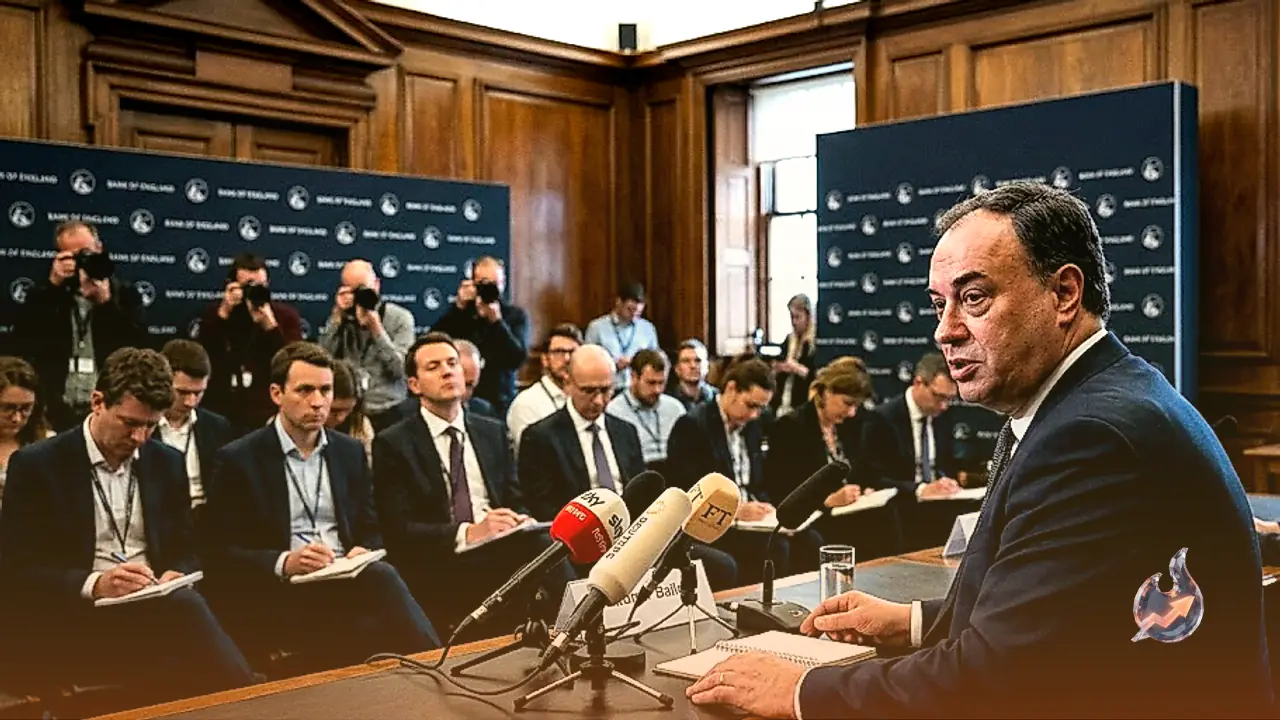
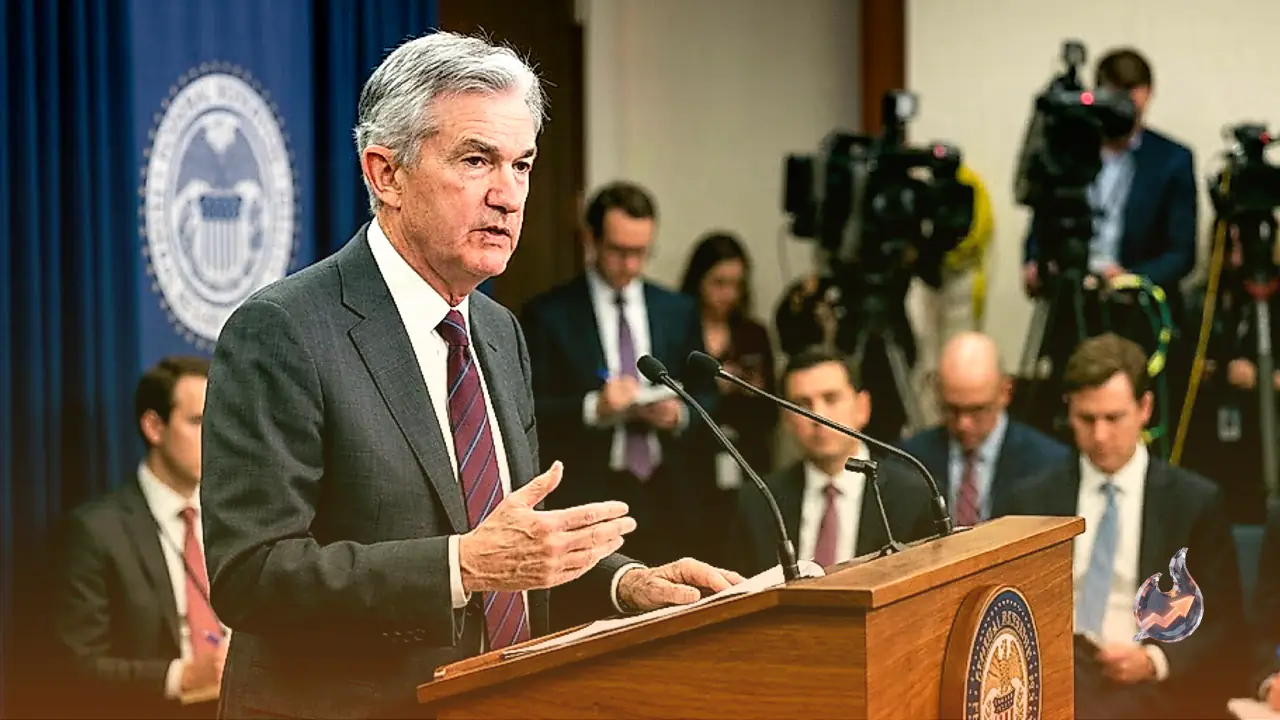
Global monetary policy settings elsewhere remained uncompromisingly tight. The Bank of England opted to hold its benchmark Bank Rate steady at 3.75 percent, but paired the pause with a hawkish assessment due to a sharp deterioration in its domestic inflation outlook. Across the Atlantic, the Federal Reserve raised its target range for the federal funds rate by 25 basis points to 3.75 percent to 4.00 percent through a unanimous vote, reiterating that additional firming is critical to guide inflation sustainably back toward its 2 percent mandate.