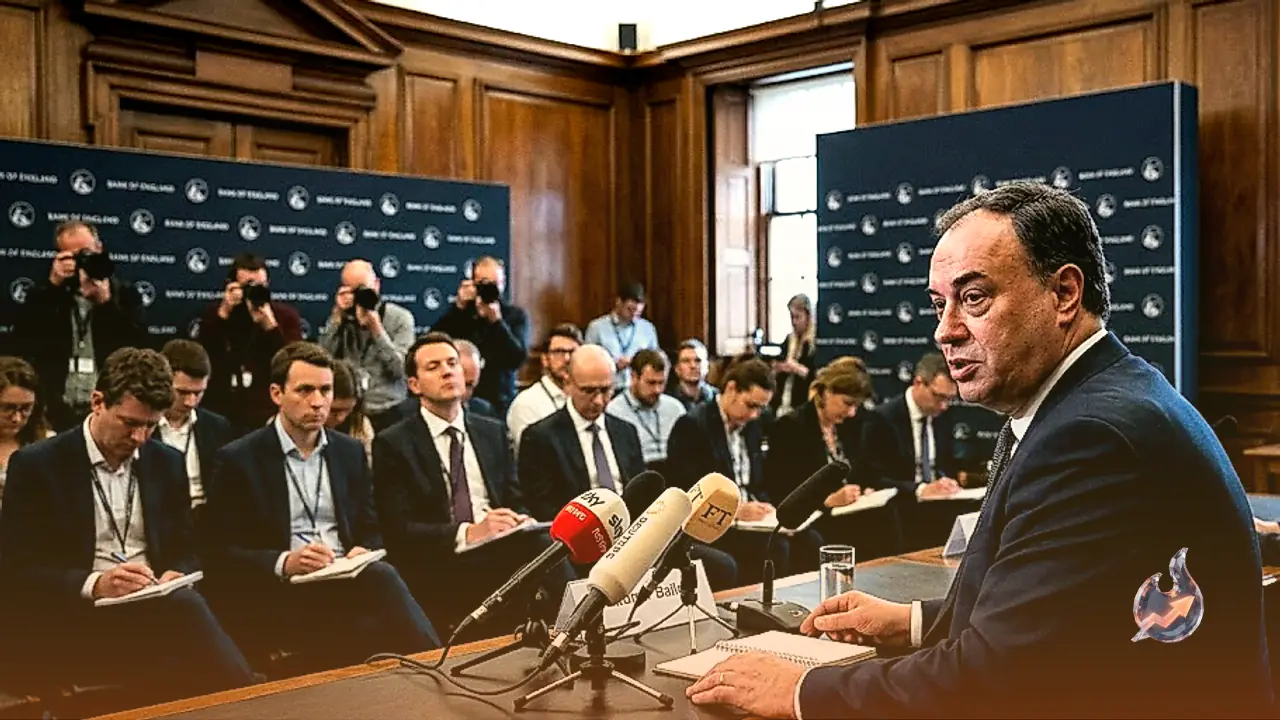

























Foreign exchange markets witnessed a notable shift as the British Pound retreated following the latest monetary policy verdict in London, allowing the single European currency to push toward recent highs. The Bank of England opted to hold its benchmark Bank Rate at 3.75 percent, marking another period of borrowing-cost stability despite underlying inflationary pressures. With policymakers split on the urgency of further monetary tightening, the cross rate between the Euro and the British Pound gained upward momentum, testing the 0.8600 threshold.
Split Vote Highlights Lingering Inflation Worries in Britain
The monetary decision reflected a divided six-to-three vote tally, confirming a sixth consecutive standstill in headline interest rates. Continuing their stance from July, the three dissenting officials favored an immediate 25 basis point tightening to lift the policy rate to 4.00 percent. The divergence comes against the backdrop of UK headline inflation accelerating to 3.1 percent, reaching a five-month peak and remaining noticeably higher than the central bank's official 2 percent target. Policymakers warned that inflationary risks remain tilted toward higher readings, signaling that tighter conditions could still materialize.
Addressing the economic environment, Governor Andrew Bailey highlighted volatile energy markets stemming from regional conflicts across the Middle East. Andrew Bailey noted that "the longer this volatility persists, the bigger the impact it will have". The central bank leader maintained that guiding monetary policy requires keeping transitory inflationary spikes from morphing into enduring structural pressures across the domestic economy.
Technical Structure Supports Euro Strength Against the Pound
On the four-hour technical chart, the cross settled near 0.8597, preserving an overall bullish tilt after remaining above key trend benchmarks. The pair continues to trade clear of both its 100-period Simple Moving Average at 0.8578 and the shorter 20-period Simple Moving Average positioned at 0.8569. Nearby horizontal demand around 0.8593 has acted as a stepping stone for buyers, while the 14-period Relative Strength Index stands at 65, reflecting constructive upward pressure without yet signaling overextended conditions.
From a chart perspective, primary overhead resistance is positioned near 0.8603, with secondary resistance waiting around 0.8607, a boundary whose clearance could trigger extended gains. On any corrective pullback, immediate support rests at 0.8593, followed by 0.8581. Further downward drift would test the 100-period SMA at 0.8578 and the 20-period SMA at 0.8569 as key technical floors. Meanwhile, broader currency dynamics saw EUR/USD trading at 1.15 in live market conditions, where a death cross formation and an RSI of 37 indicate consolidation near 20-day support around 1.15.
Global Central Bank Trends and Macro Currency Movements
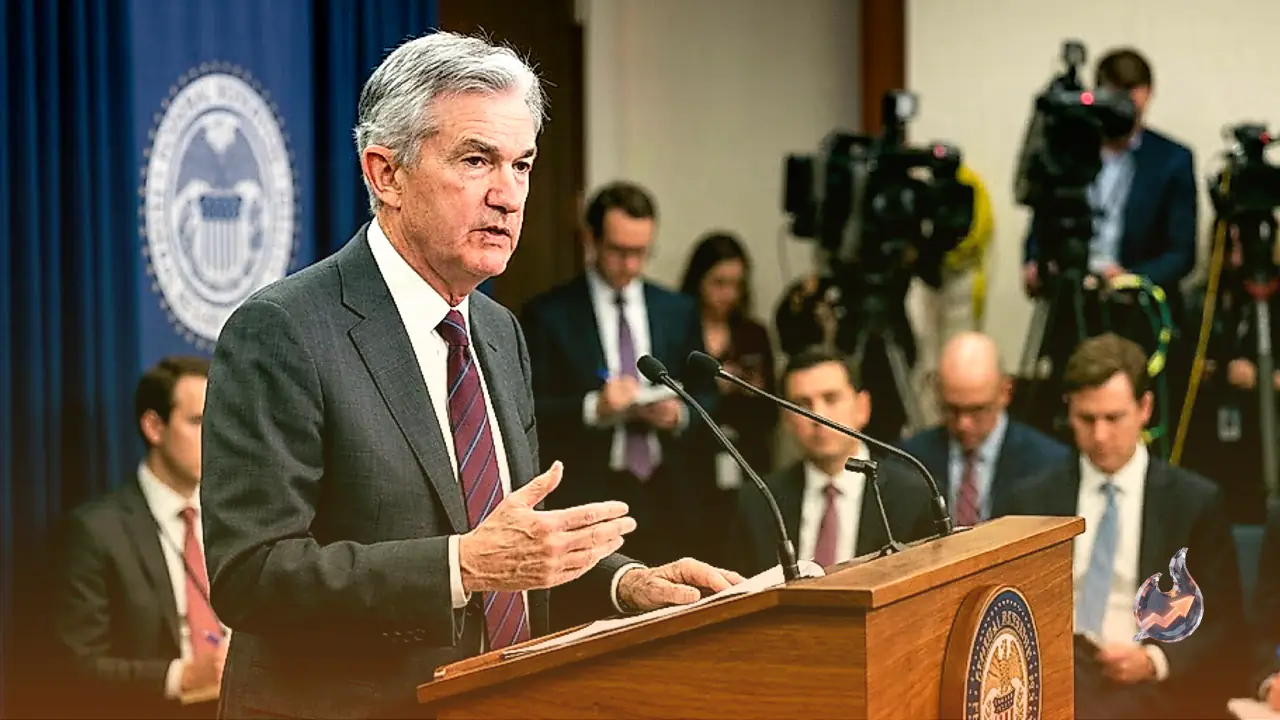
The divergence among major central banks extended beyond the UK. The Federal Reserve raised its target range by 25 basis points to 3.75%-4.00% through a unanimous vote, reiterating its focus on returning inflation to the 2 percent benchmark. A brief pause in the US Dollar's rally following that decision provided breathing room for cyclical assets, helping the Australian Dollar reclaim 0.7100 during Asian trading hours, buoyed by domestic rate expectations and tentative diplomatic developments involving the United States and Iran.
In Asia, USD/JPY fluctuated around the 156.00 mark as markets reassessed the pace of policy normalization from the Bank of Japan. Ultra-cheap funding conditions in Japan had financed trillions of dollars across international markets for more than ten years, and prospects of Japanese tightening have begun altering global capital flows. Concurrently, softer energy costs and a consolidating dollar enabled spot gold to rebound toward 4,400 dollars per troy ounce, marking fresh weekly milestones after arresting a three-session decline.