























Brent crude has climbed back above US$90 a barrel, and this time the push higher is coming from fear rather than fresh demand. According to ING commodity strategists Warren Patterson and Ewa Manthey, the escalating conflict in the Persian Gulf, together with the growing risk that key shipping chokepoints could be shut, is disrupting the flow of tankers and leaving the oil market far more exposed to the next supply shock.
Why crude jumped back over $90
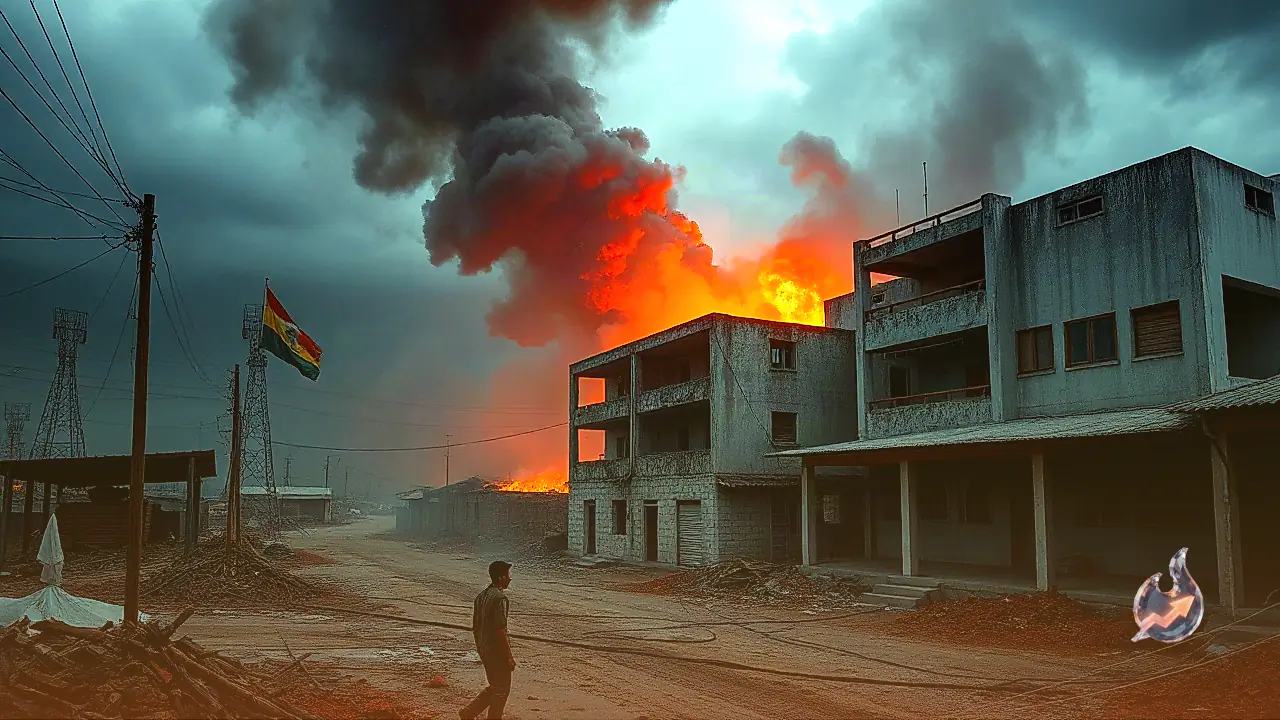
The immediate spark is the renewed violence in the Gulf. The United States and Iran are continuing to trade strikes, and those exchanges are turning deadly on both sides. ING's team warns that if the escalation is left unchecked, the region could slide back into the kind of wide-scale attacks seen across the Persian Gulf. "ICE Brent broke above US$90/bbl this morning with no let-up in the escalation in the Persian Gulf," the analysts wrote. For a market that had been leaning on temporary relief measures, that combination of live conflict and threatened chokepoints was enough to send prices back through a level traders watch closely.
Tankers grind to a halt at Hormuz
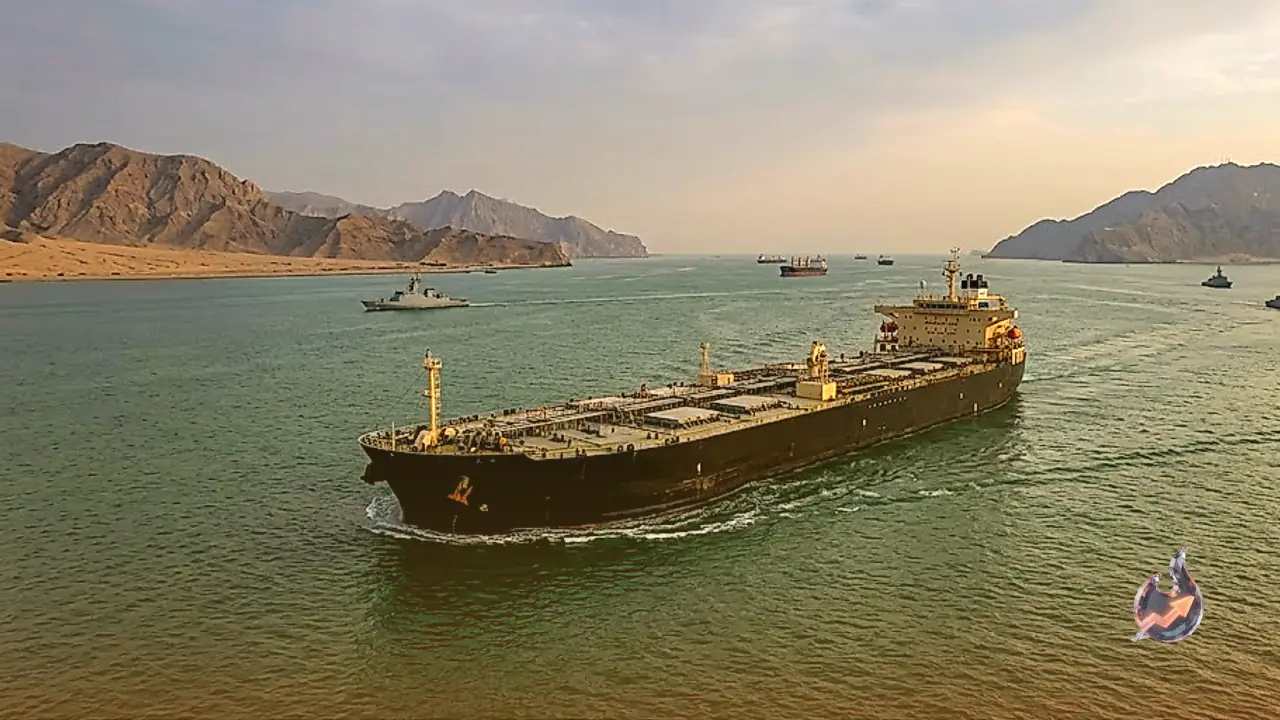
The clearest sign of stress is in the shipping data itself. Vessel movements have essentially stopped: only two outbound oil tankers were visible transiting the Strait of Hormuz, and there was no inbound traffic at all. In other words, flows have collapsed back to where they stood before the Memorandum of Understanding (MoU) that had briefly restored some normalcy. The Strait of Hormuz is the single most important passage for seaborne crude, so even a short interruption there ripples straight into global prices, which is exactly why the near-total stop in traffic is rattling the market.
The cushion is about to be pulled away
Part of what has kept a lid on prices during the war is the steady release of oil from the US Strategic Petroleum Reserve (SPR). Those releases have acted as a shock absorber, adding barrels to the market whenever supply looked tight. The problem, ING points out, is that this programme is set to wind down around the end of the month. Once it stops, the market loses an important buffer and becomes relatively more vulnerable to any further disruption. The analysts note there is always scope to tap the SPR again if conditions demand it, but as things stand the safety net is shrinking just as the risks are climbing.
Speculators rush into fresh long bets
With prices moving the way they have, it is no surprise that speculative traders have been positioning for further gains. Over the latest reporting week they added 114,752 lots to their net long in ICE Brent, lifting the total net long to 169,839 lots as of last Tuesday. Crucially, ING says this was driven mainly by fresh longs entering the market rather than short sellers being squeezed out, a sign that money is actively betting on higher prices rather than simply covering old positions. That kind of one-sided positioning can amplify moves in both directions, adding fuel to any rally but also leaving the market exposed if sentiment turns.
Gasoil sends a quieter signal
The picture in refined products is more muted. Speculators also nudged up their net long in ICE gasoil, adding 2,389 lots over the week to reach 71,875 lots. Given how sharply gasoil has moved recently, ING finds it somewhat surprising that the buying has not been more aggressive. The firm suggests the stronger positioning may only show up in the next Commitment of Traders report, which would capture more of the recent action.
Where the market stands right now
Live futures data offer some context for how jumpy the market is. US crude was last changing hands near $82.44 a barrel, barely moved from its previous close of $82.49, a slip of about 0.06%. Over the past year the contract has swung across a wide $54.98 to $119.48 range, underlining how much geopolitics can whip these prices around. Momentum readings are mixed to firm: the 14-day RSI sits around 58, still short of overbought, while the trend backdrop stays constructive with the price holding above its longer-run moving averages. For now, the mix of live conflict, stalled tankers, a fading SPR cushion and crowded long positioning keeps the risk skewed toward further supply-driven spikes.