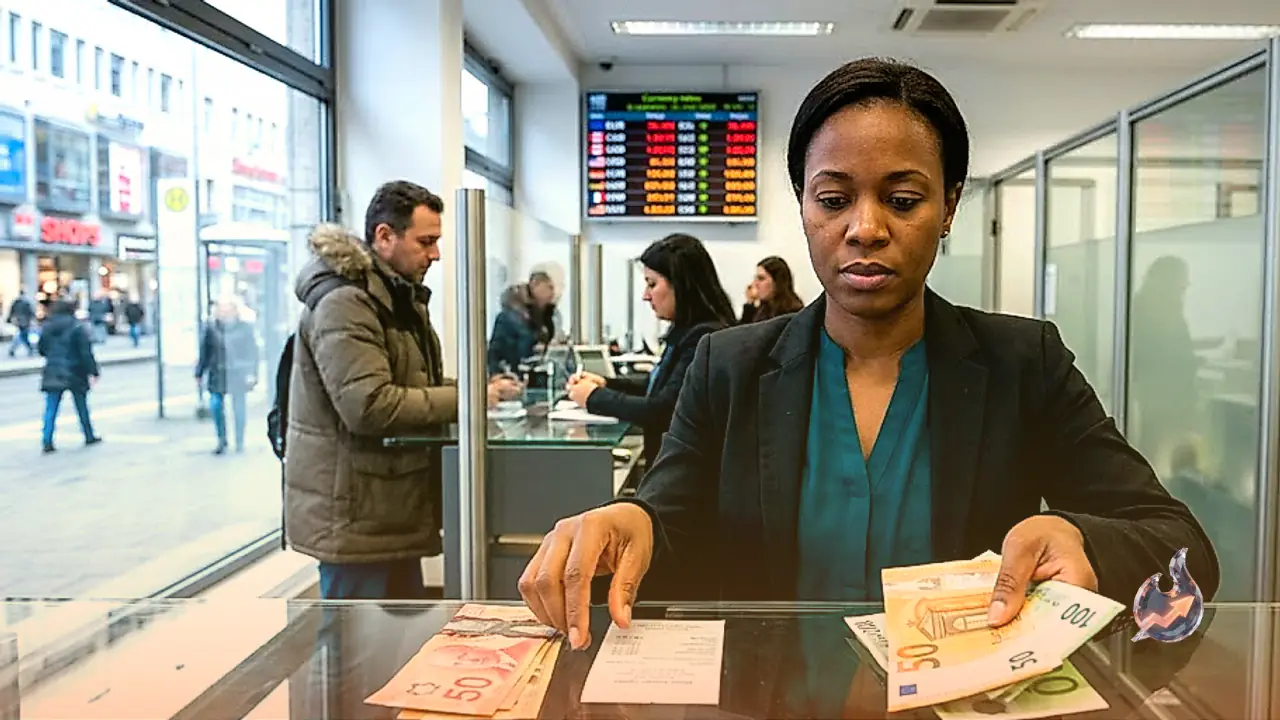

























The US Dollar gave up a portion of its recent gains on Wednesday, allowing the Swiss Franc to stage a mild recovery from extended multi-month lows. After touching 16-month peaks above 0.8350 during Tuesday trading, the USD/CHF currency pair receded toward the 0.8330 zone. The softening of the greenback followed a pullback in sovereign borrowing costs and a sharp reassessment of near-term monetary policy expectations in the United States.
Swiss Franc Holds Ground Despite Weak Economic Sentiment
The stabilization in the Swiss Franc occurred despite notably weak macroeconomic sentiment data emerging from Switzerland. The Swiss ZEW Economic Expectations Index, compiled by the Leibniz Centre for European Economic Research, tumbled to 2.6 in September. This reading marked a steep drop from the 12.1 recorded in August, pointing to growing pessimism regarding economic prospects. However, foreign exchange traders looked past the domestic survey, as broad macroeconomic crosscurrents stemming from US debt markets drove currency flows.
Treasury Yields Retreat Following Fed Commentary
Downward pressure on the greenback gained momentum as US Treasury yields retreated from recent multi-year highs. The return on the benchmark 10-year Treasury note dropped 8 basis points over the session, though it managed to remain above the critical 5% threshold. This downward adjustment in yields materialized after dovish remarks from Federal Reserve official Williams, which tempered aggressive interest rate expectations across financial markets.
Data tracked by the CME FedWatch Tool showed that probability estimates for an interest rate hike in October dropped substantially to 44%, down from 70% recorded just 24 hours prior. This rapid recalibration triggered broad profit-taking on long US Dollar positions, providing temporary relief across major currency counterparts.
Focus Shifts to Critical US Inflation Metrics
Currency markets adopted a cautious tone ahead of crucial inflation data scheduled for release by the US Bureau of Economic Analysis. The Personal Consumption Expenditures (PCE) Price Index for August is due at 12:30 GMT, alongside monthly readings for Personal Spending and Personal Income. The annual Core PCE Price Index, which strips out volatile components like food and energy, represents the Federal Open Market Committee's preferred barometer for tracking inflationary pressures.
Consensus forecasts project headline PCE inflation to hold steady at a 3.6% annual pace, with core inflation expected to remain unchanged at 3.3% year-on-year. A print arriving hotter than anticipated could revive expectations of a hawkish shift in the Fed's policy guidance, potentially propelling the dollar higher, while a softer figure could extend the greenback's retreat.
Cross-Asset Developments Across Global Markets
Other major currency pairs and asset classes reflected the shifting dollar dynamics throughout Wednesday's Asian and European sessions. The AUD/USD pair hovered near two-month lows around 0.6950, dampened by Australian underlying consumer price index data for August that fell short of expectations and reduced projections for further Reserve Bank of Australia rate tightening. Tepid Chinese purchasing managers index readings also limited demand for the Australian currency.
Meanwhile, USD/JPY sustained losses below the 157.00 handle. Hawkish expectations surrounding the Bank of Japan, alongside persistent market vigilance regarding potential currency intervention, bolstered the Japanese Yen against disappointing domestic factory output and retail sales numbers.
In commodities, gold traded in a consolidative range below $4,200 per ounce, finding support from lower bond yields while remaining capped by broader macro uncertainty. In the cryptocurrency sector, Aave slipped under $161 amid active profit-taking following a prior-day rally of more than 10%. Separately, Aave founder Stani Kulechov indicated considerations for an AAVE token-burn mechanism under Aavenomics 3.0, presenting a prospective future catalyst for the protocol.