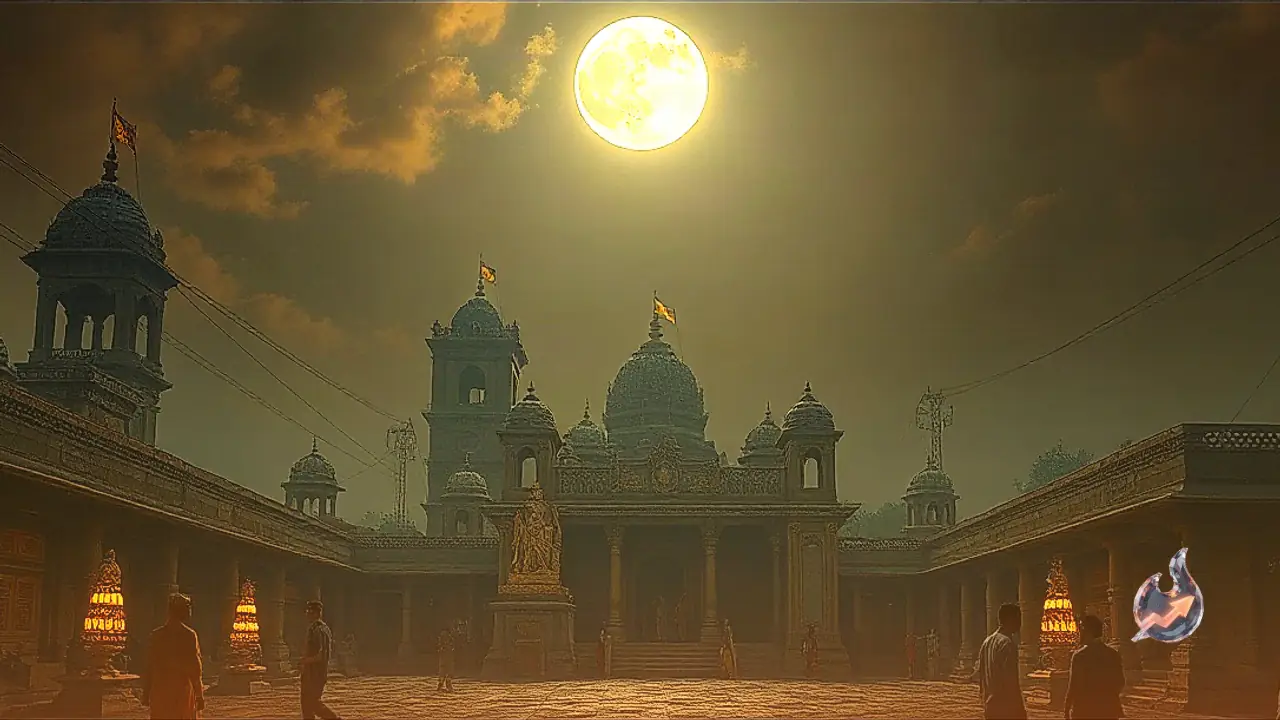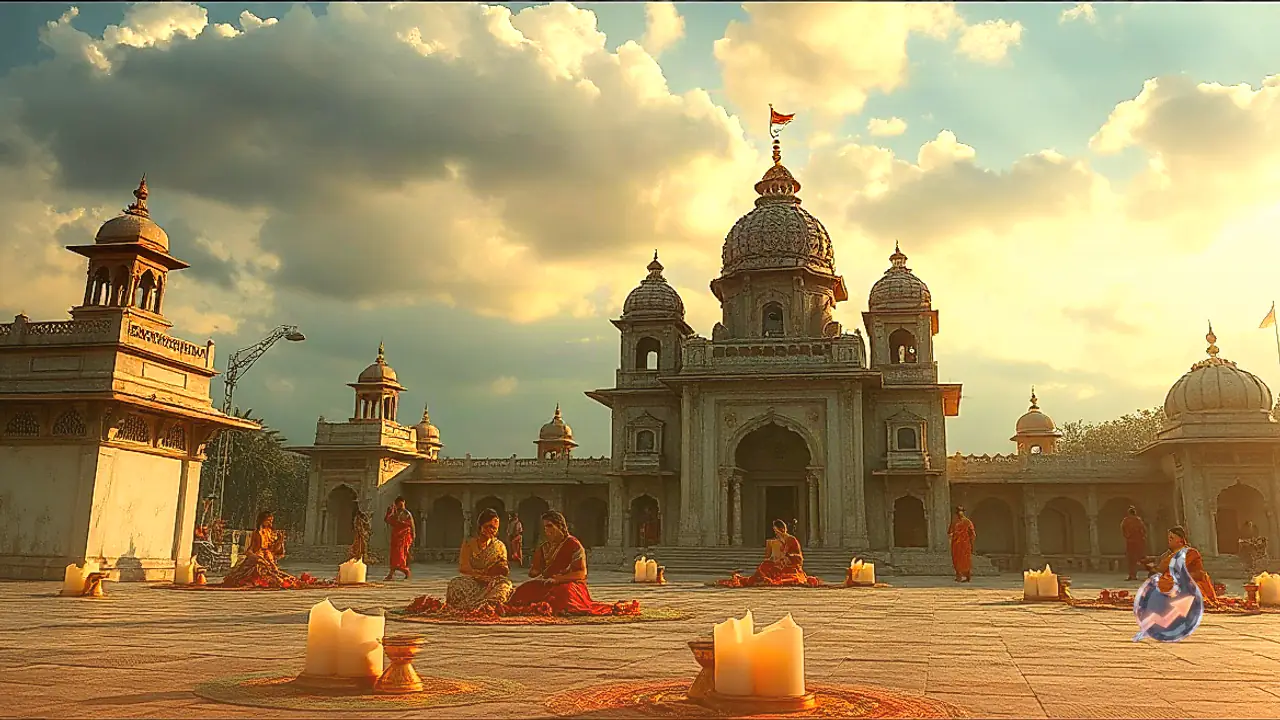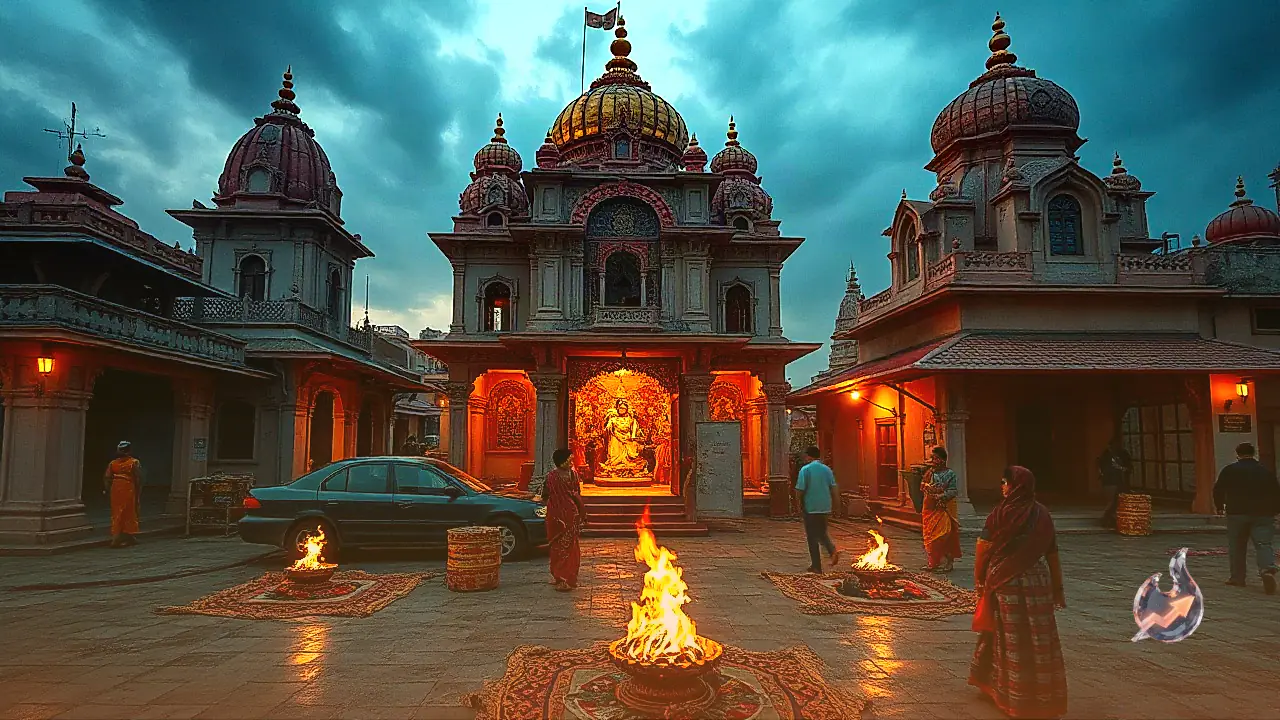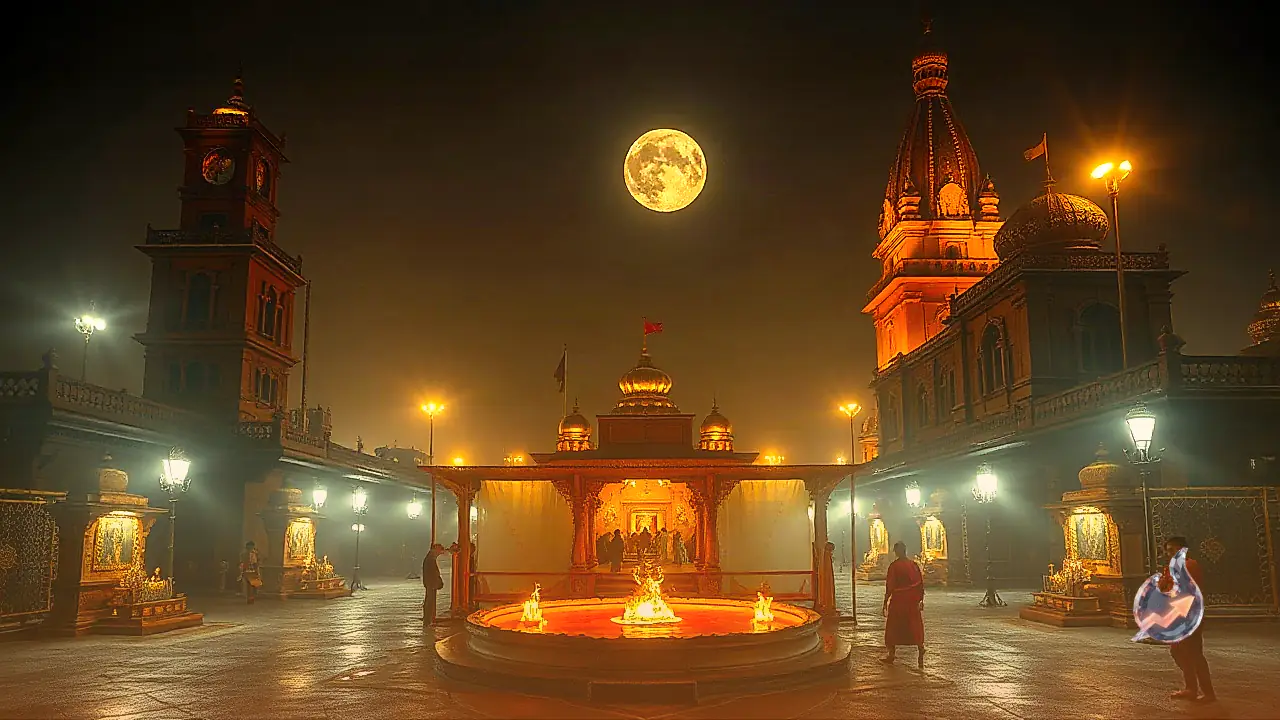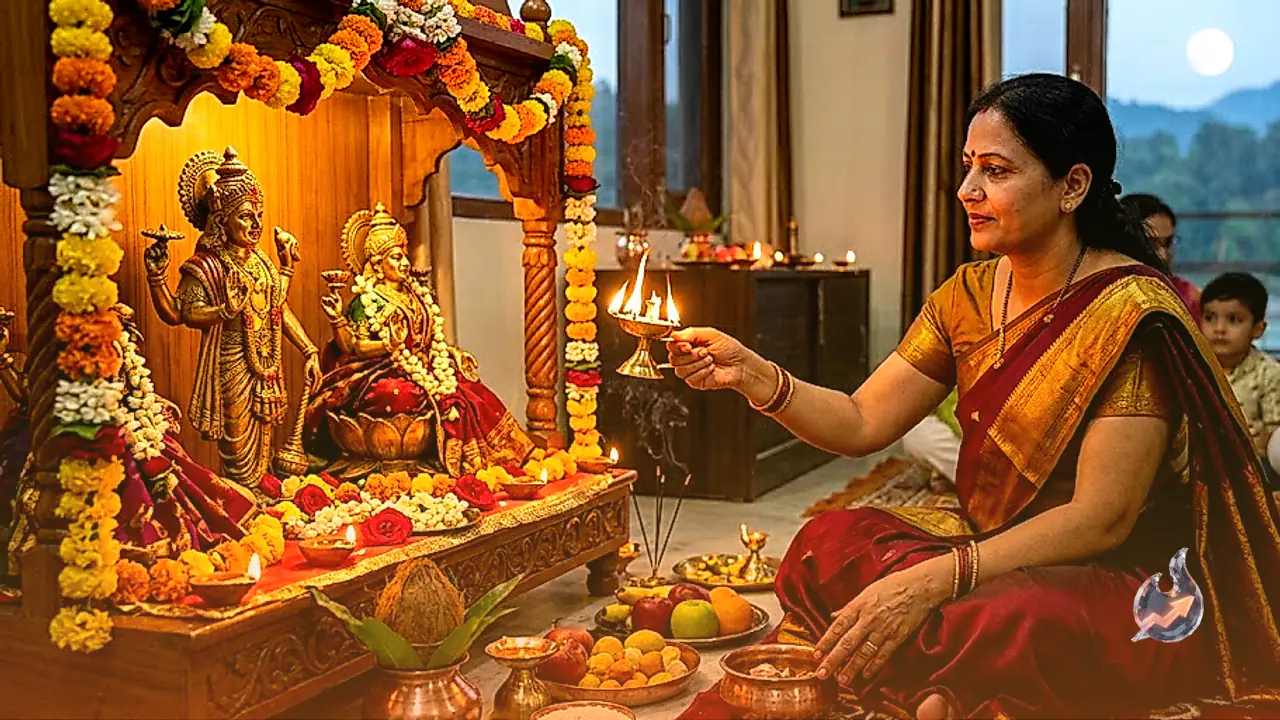




















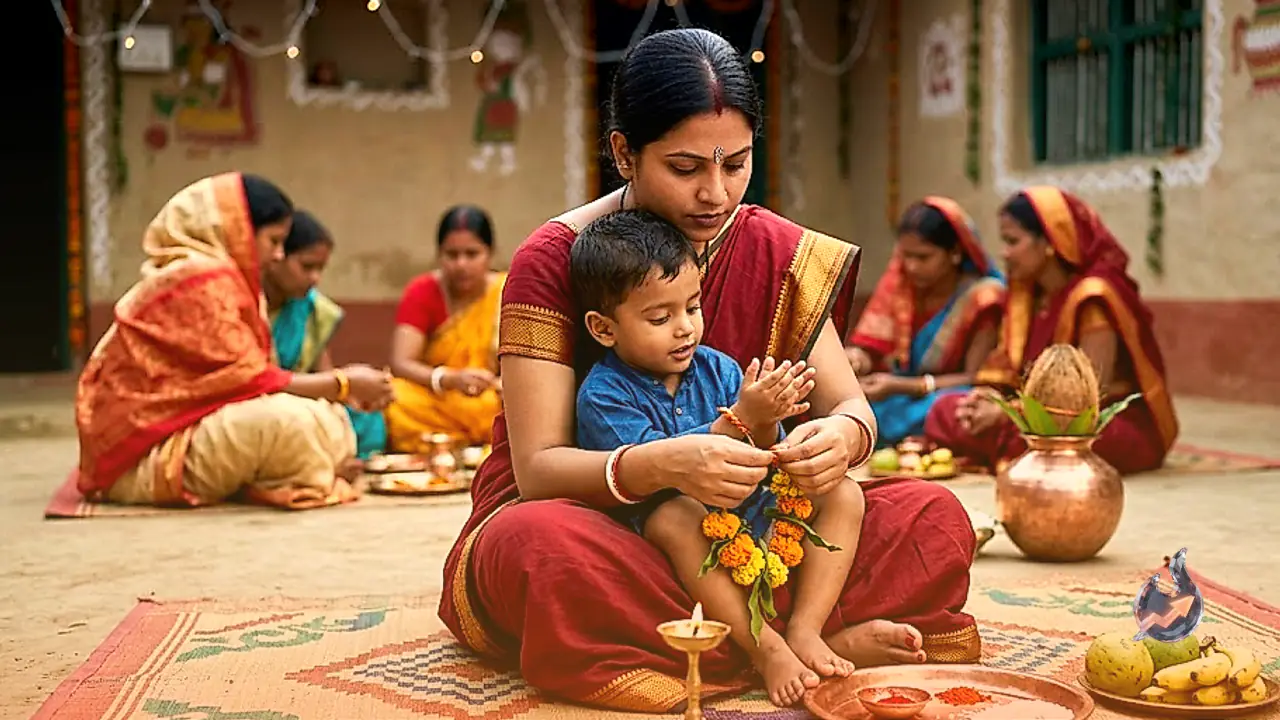

Considered one of the most demanding fasts in traditional culture, the Jivitputrika festival, widely recognized as Jitiya or Jiutiya, is observed by mothers praying for the longevity, sound health, and overall prosperity of their children. During this demanding penance, mothers renounce both food and water to maintain a strict waterless fast that spans over twenty-four hours. Celebrated predominantly across Uttar Pradesh, Bihar, and Jharkhand in India, the festival is also observed with deep religious devotion in the Madhesh plains of Nepal. The sacred observance falls annually on the Ashtami Tithi of Krishna Paksha during the Ashwin month. For mothers who are stepping forward to embrace this demanding tradition for the first time, adhering to traditional rules and exact astrological timings is considered essential.
Important Dates and Timings for Jitiya 2026
According to the traditional calendar, the Ashtami Tithi of Krishna Paksha in the Ashwin month begins on October 3, 2026, at 7:59 AM. This lunar phase will conclude the following morning on October 4, 2026, at 5:51 AM. Consequently, the primary waterless fast of Jitiya will take place on Saturday, October 3, 2026. The fasting duration extends throughout the day and night, continuing until the completion of morning worship rituals on the third day.
The Three-Day Ritual Schedule Explained
The spiritual observance of Jitiya spans three successive days, each governed by its own set of customary practices. The sequence comprises the preparatory cleansing day known as Nahay Khay, followed by the rigorous waterless fast, and concluding with the ceremonial breaking of the fast termed Paran.
- Day One Nahay Khay: In 2026, Nahay Khay will be observed on Friday, October 2. On this day, fasting mothers perform a purifying bath in the morning and prepare entirely satvik meals. The ritual meal traditionally requires specific seasonal foods, namely Noni saag, flatbreads made from Madua millet flour, and cooked bottle gourd or pumpkin. Only one pure meal is eaten on this day to prepare the body for the upcoming fast.
- Day Two The Strict Waterless Fast: Falling on Saturday, October 3, 2026, the second day marks the central Nirjala fast, during which neither a drop of water nor a grain of food is consumed. Before daybreak, typically around 3:00 AM, mothers wake up to partake in an early pre-dawn intake of sweet food or curd and flattened rice. With the rising of the sun, the complete waterless fast commences, continuing uninterrupted throughout the day and the ensuing night.
- Day Three Paran and Conclusion: The final stage occurs on October 4, where the fast is formally broken. Women conclude the penance only after performing morning rituals and offering water offerings to the Sun god. Astrological guidelines emphasize that Paran must take place strictly within the designated auspicious Muhurat, as ending the fast outside this window is believed to diminish its spiritual fruits. The concluding meal traditionally incorporates Madua flatbreads and Noni greens, maintaining pure vegetarian and satvik discipline throughout.
Key Customs and Essential Conduct for New Observers
Mothers observing Jitiya for the initial time must maintain meticulous domestic and personal cleanliness throughout all three days. The vow requires absolute abstention from food and water during the core fasting period. Beyond physical discipline, practitioners are expected to observe emotional restraint by avoiding angry words, harsh language, or negative thoughts toward others.
Strict adherence to a pure lifestyle and celibacy is mandatory from the day of Nahay Khay until the conclusion of Paran. During the evening worship, reciting or listening to the sacred legend of Lord Jimutavahana, alongside the traditional story of the female eagle and female jackal, is considered an indispensable part of the ceremony, without which the observance remains incomplete.