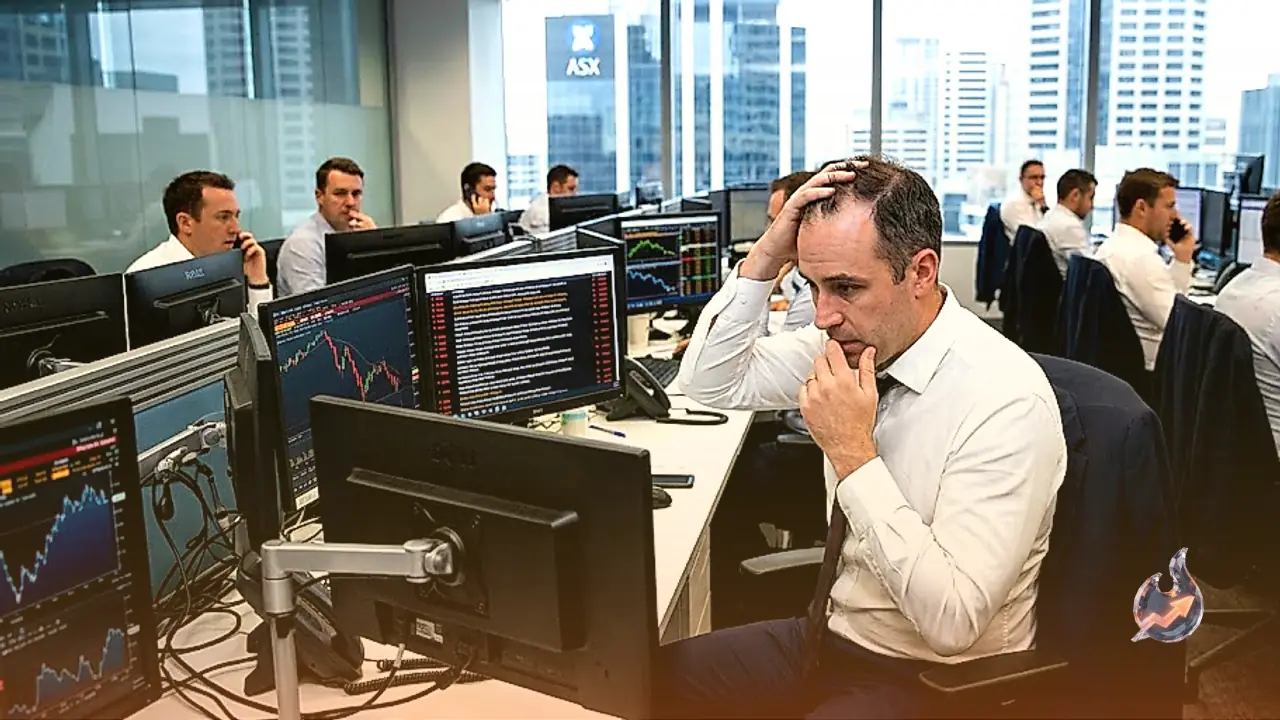

























Asian equity markets experienced a widespread recovery on Thursday, led by significant gains in South Korea's KOSPI index, following a major liquidity intervention by the US Department of the Treasury to stabilize government debt yields. Easing pressure in the sovereign bond market restored risk appetite across international exchanges, even as hawkish Federal Reserve FOMC minutes and lingering geopolitical standoff between the United States and Iran limited broader market euphoria.
US Treasury Debt Buyback Escalation Eases Yield Pressures
The US Department of the Treasury announced a decisive shift in its market operations, declaring plans to at least double its buyback program for long-dated government securities to restrain rising corporate and government borrowing costs. This structural intervention successfully tempered volatility across sovereign debt markets, triggering a sharp decline in the 30-year US Treasury yield from its highest level since June 2007. Government bond yields in Australia and Japan tracked the downward movement in US yields, boosting equity valuations and encouraging capital allocation toward riskier asset classes.
Forex Markets Shift: Sterling and Euro Surge on Weakening Dollar
The liquidity measures implemented by the US Treasury placed substantial downside pressure on the US Dollar, catalyzing notable rallies across major currency pairs. The GBP/USD pair extended its upward trajectory, surging past 1.3600 to trade at its highest valuation since mid-May. Official economic data from the United Kingdom revealed that annual Consumer Price Index (CPI) inflation accelerated to 2.9% in July, matching market estimates, while core CPI rose to 2.6% year-on-year against expectations of 2.5%. Simultaneously, the EUR/USD pair built strong bullish momentum, rising above 1.1650 to record its highest level since early June as market participants evaluated upcoming central bank policy signals.
Precious Metals Rally to Multi-Month Highs while Hyperliquid Crypto Surges
Reflecting the broader pull-back in benchmark debt yields and dollar strength, gold prices experienced renewed buying interest during Asian trading hours on Thursday. Spot gold hovered near the $4,500 mark after touching an 11-week high of $4,528 in early market dealings, rebounding as regional investors responded to the US rescue package. In the digital asset sector, perpetual futures token Hyperliquid jumped over 20% on Wednesday after President Donald Trump publicly confirmed that the Commodity Futures Trading Commission (CFTC) is actively establishing regulatory frameworks to bring the decentralized platform into the United States financial ecosystem.
Middle East Geopolitical Standoff and Crude Oil Volatility
While equity indices advanced, global crude oil prices displayed a mixed trend as energy market participants monitored geopolitical escalations surrounding the Middle East crisis. President Donald Trump warned that the US is prepared to initiate severe economic sanctions against Iran, adding that any nation facilitating Iranian sanction evasion or maintaining trade ties with Tehran would face strict financial penalties. This rhetoric follows an ongoing diplomatic impasse and naval standoff regarding freedom of navigation through the strategic Strait of Hormuz.
Economic Importance and Index Structure of Asian Capital Markets
Asia remains a primary engine of global economic growth, contributing approximately 70% of worldwide expansion and housing several prominent financial benchmarks. Among advanced regional economies, Japan's Nikkei 225—which tracks 225 premier corporations listed on the Tokyo Stock Exchange—and South Korea's KOSPI represent core investor benchmarks. Greater China features three major indices: the Hong Kong Hang Seng Index, the Shanghai Composite, and the Shenzhen Composite. Meanwhile, India's expanding economy continues to draw global institutional capital into its key stock market indices, the Sensex and the Nifty.
Sector Dominance Across Regional Asian Markets
The economic composition of Asia's key stock indices varies significantly by country. Advanced technology and semiconductor manufacturing dominate benchmark indices in South Korea, Japan, and increasingly China. Financial services form the backbone of capital markets in international business hubs such as Hong Kong and Singapore. Furthermore, heavy manufacturing, industrial production, and automotive exports remain vital economic components in Japan and mainland China, while expanding middle-class demographics in India and China continue to drive rapid valuation growth in retail, consumer goods, and e-commerce enterprises.
Key Drivers of Asian Equity Valuations
The performance of Asian stock indices is primarily driven by corporate financial health, reflected in quarterly and annual earnings releases. Macroeconomic fundamentals, central bank interest rate decisions, and government fiscal policy measures also play crucial roles in shaping equity valuations. Broader structural determinants include political stability, technological adoption, regulatory predictability, and adherence to the rule of law. Additionally, overnight price action on Wall Street frequently sets the opening sentiment for Asian trading sessions, while shifting global risk appetites dictate capital allocation between equities and fixed-income assets.
Specific Investment Risks in Asian Equity Markets
Investing in Asian equity markets exposes market participants to distinct regional risk factors. Political structures across the continent range from established constitutional democracies to authoritarian regimes, leading to substantial variations in corporate governance standards, institutional transparency, and legal protections. Geopolitical frictions, trade disputes, territorial disputes, and natural disasters introduce periodic market volatility. Furthermore, currency exchange rate fluctuations impact export-oriented Asian economies, where stronger domestic currencies reduce international price competitiveness and weaker currencies enhance export revenues.