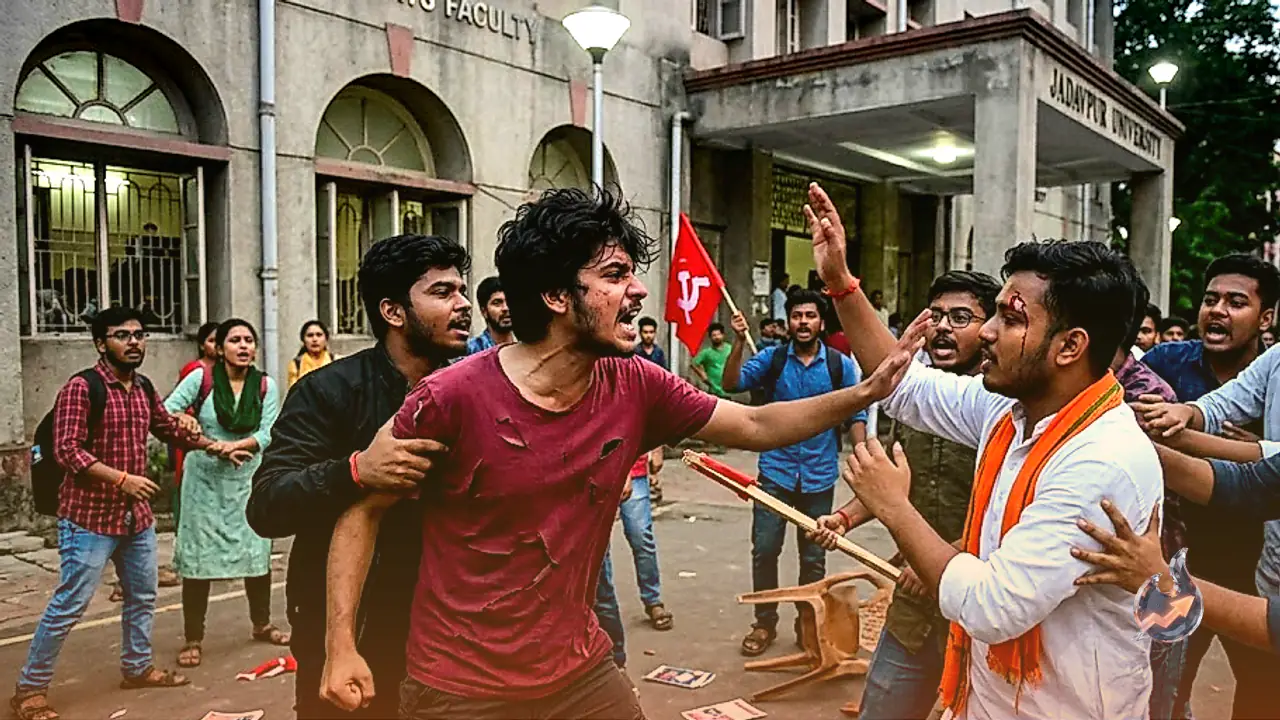




















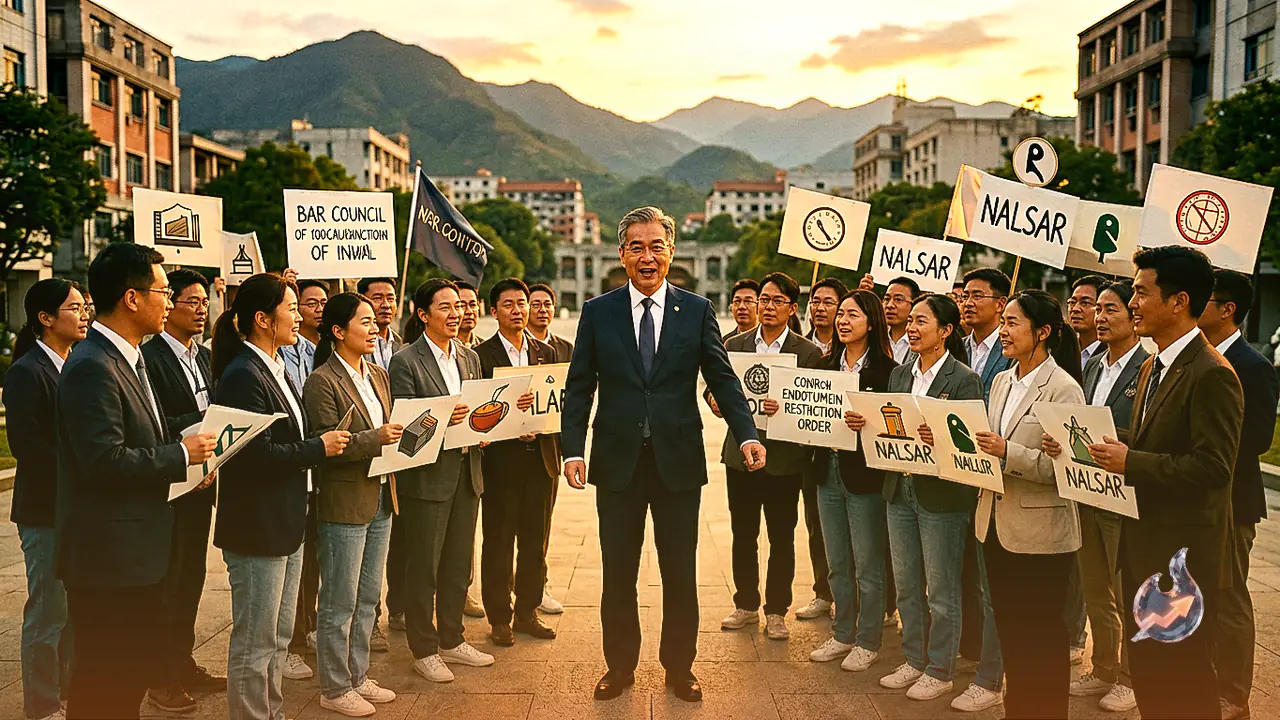

A major confrontation has erupted between the Bar Council of India and members of the legal community as young advocates and student bodies took to the streets on August 20. The demonstration, organized under the banner of the Legal Cockroach movement by the All India Young Advocates Association and supported by the Cockroach Janta Party, demands the immediate resignation of BCI Chairman Manan Mishra. The agitation stems from a controversial order that temporarily barred 2026 batch law graduates of NALSAR University of Law from enrolling as advocates. Although the BCI swiftly revoked the directive following severe criticism and Mishra issued an apology, legal associations insist that structural accountability must be established at the apex regulatory body.
The Convocation Dispute at NALSAR University
The controversy originated when students at NALSAR University of Law addressed a formal communication to their Vice-Chancellor, Registrar, and faculty members. In the letter, students expressed reservations regarding the proposal to invite Chief Justice of India Surya Kant as the chief guest for the university's upcoming convocation. The student body cited specific observations made by the Chief Justice during a Supreme Court hearing on July 20 regarding alleged police excesses against student demonstrators at New Delhi's Jantar Mantar. The NALSAR students maintained that expressing their concerns over the guest choice was a exercise of their peaceful rights.
BCI Directive and Rapid Policy U-Turn
In response to the student letter, BCI Chairman Manan Mishra issued a strict administrative directive ordering all State Bar Councils to suspend the advocate enrollment of NALSAR's entire 2026 graduating batch until further notice. The regulatory council characterized the student representation as an anti-institution campaign and initiated an inquiry into the matter. The directive triggered immediate widespread backlash across law schools, advocate groups, and social media platforms. Activists including CJP founder Abhijit Dipke announced public protests against the move. Under intense pressure, the BCI executed a complete turnabout within hours, rescinding the restriction and acknowledging in a revised order that an entire batch of students should not face penalization for the actions of a few individuals.
Supreme Court Intervention and Restraining Orders
The dispute prompted judicial intervention from the Supreme Court, where Chief Justice Surya Kant himself expressed strong disapproval of the regulatory body's high-handed action. The apex court clarified that the BCI possesses no statutory authority to stifle students' constitutional right to express peaceful and lawful opinions. To protect the academic and professional career prospects of the law graduates and faculty members, the court explicitly restrained the BCI and all State Bar Councils from taking any punitive or criminal steps in connection with the episode. Furthermore, the Supreme Court admitted a petition seeking regulatory guidelines to prevent similar arbitrary directives in the future and issued a formal notice to the BCI.
Independence Day Apology and Escalate Demands for Resignation
Amid growing dissatisfaction, BCI Chairman Manan Mishra released a public statement on Independence Day, August 15, tendering an apology to the law student community. Mishra acknowledged that recent events had created distress among law graduates and expressed regret if any of his statements or communications had hurt student sentiments. However, the apology failed to quell the controversy. The Bombay Bar Association convened on Tuesday and formally passed a resolution demanding Mishra's resignation from his position as BCI Chairman.
Public Demonstrations and Institutional Accountability
According to CJP co-convener Sourav Das, the demonstration at 10 AM on August 20 represents a broader movement to demand high ethical standards and administrative transparency from governing bar bodies. Demonstrators argue that administrative decisions affecting professional entry into the legal practice must adhere to due process rather than retaliatory measures. The ongoing mobilization marks a pivotal point in determining whether institutional checks will prevent arbitrary decision-making within legal regulatory authorities in India.