




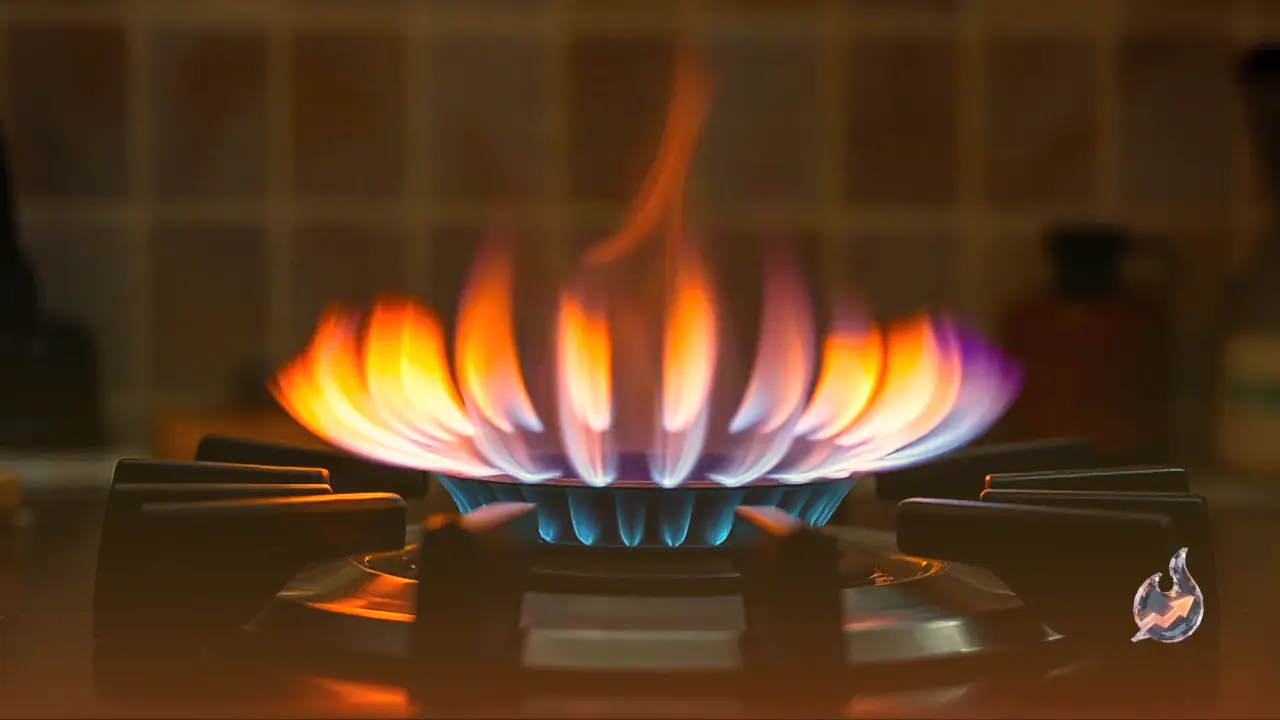


















In every household kitchen, observing the color of a gas stove flame is one of the simplest yet most effective ways to gauge appliance safety and efficiency. A steady, bright blue flame demonstrates complete combustion, indicating that liquefied petroleum gas is mixing with sufficient oxygen and burning cleanly. However, if the flame suddenly transforms into an orange or yellowish hue, homeowners should take notice. This visible color shift serves as an early indicator of incomplete fuel burning, burner obstruction, or environmental factors that require prompt attention.
Oxygen Imbalance and Incomplete Fuel Combustion
The primary reason behind an orange or yellow flame is an improper balance between fuel gas and atmospheric oxygen. Efficient stove operation depends on a precise air-to-fuel ratio entering the burner assembly. When airflow is restricted or oxygen supply is insufficient, the gas fails to burn completely. Incomplete combustion generates microscopic carbon particles that heat up within the flame, glowing orange instead of producing the heat-efficient blue cone. This condition frequently develops when the gas cylinder pressure drops significantly near the end of its supply, altering the pressure dynamic required for proper mixing.
Burner Clogs, Oil Residue, and Maintenance
Another frequent cause of discoloration is the accumulation of foreign substances around the burner assembly. Daily cooking inevitably leaves behind food debris, boiled-over liquids, grease, and ambient dust that settle into the tiny ports of the burner head. These clogged passageways obstruct the uniform flow of gas and hinder proper air entrainment. Routine cleaning of the burner components after cooking prevents grease buildup, maintains unhindered gas flow, and restores proper flame characteristics.
Ultrasonic Humidifiers and Airborne Minerals
An unexpected culprit behind temporary flame discoloration is the operation of an ultrasonic cool-mist humidifier in nearby living spaces. When filled with ordinary tap water, these humidifiers disperse fine mineral particles, such as sodium and calcium, into the ambient indoor air. As these airborne minerals drift toward the kitchen and enter the gas flame, they burn with a characteristic orange glow. Resolving this issue involves switching off the humidifier and opening room windows to ventilate the space. Under normal household conditions, the stove flame will revert to its clear blue appearance within 15 minutes.
Gas Smell Hazards and Expert Inspection
Persistent orange flames that continue after cleaning the burner and turning off humidifiers demand serious caution. If the color anomaly occurs alongside a strong odor of escaping gas or unusual stove noises, immediate action is necessary. Users must turn off the main cylinder valve without delay and seek assistance from a certified gas technician. Additionally, inspecting the burner cap to ensure it is completely dry, clean, and properly seated in its designated slot helps preserve operational safety and overall appliance performance.