






















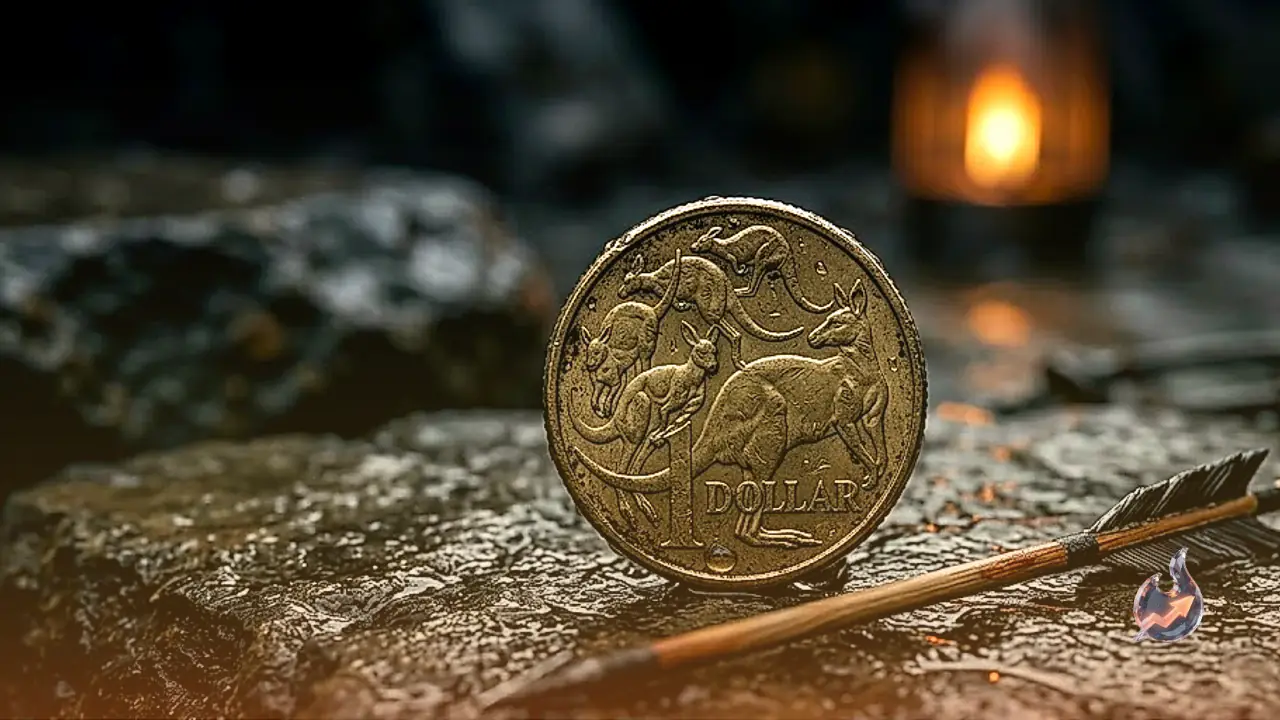

The Australian Dollar began the new week firmly on the back foot, sliding beneath the closely watched 0.7000 handle to trade near 0.6975 against its US counterpart during the early Asian hours on Monday. The slide came as friction between Washington and Tehran flared once again, pushing jittery investors toward safer places to park their money and away from growth-linked currencies like the Aussie, which tend to feel the strain first whenever nerves take hold.
A deadly escalation between the US and Iran
The immediate spark for the risk-off mood was a sharp worsening of the standoff in the Middle East. US Central Command, known as CENTCOM, confirmed the death of another American service member even as it launched fresh airstrikes on Iran on Sunday, hitting back at earlier attacks that had killed American troops. According to the military, the latest casualty happened in Iraq on Saturday, when a downed Iranian drone was being deliberately destroyed in what was described as a "controlled detonation."
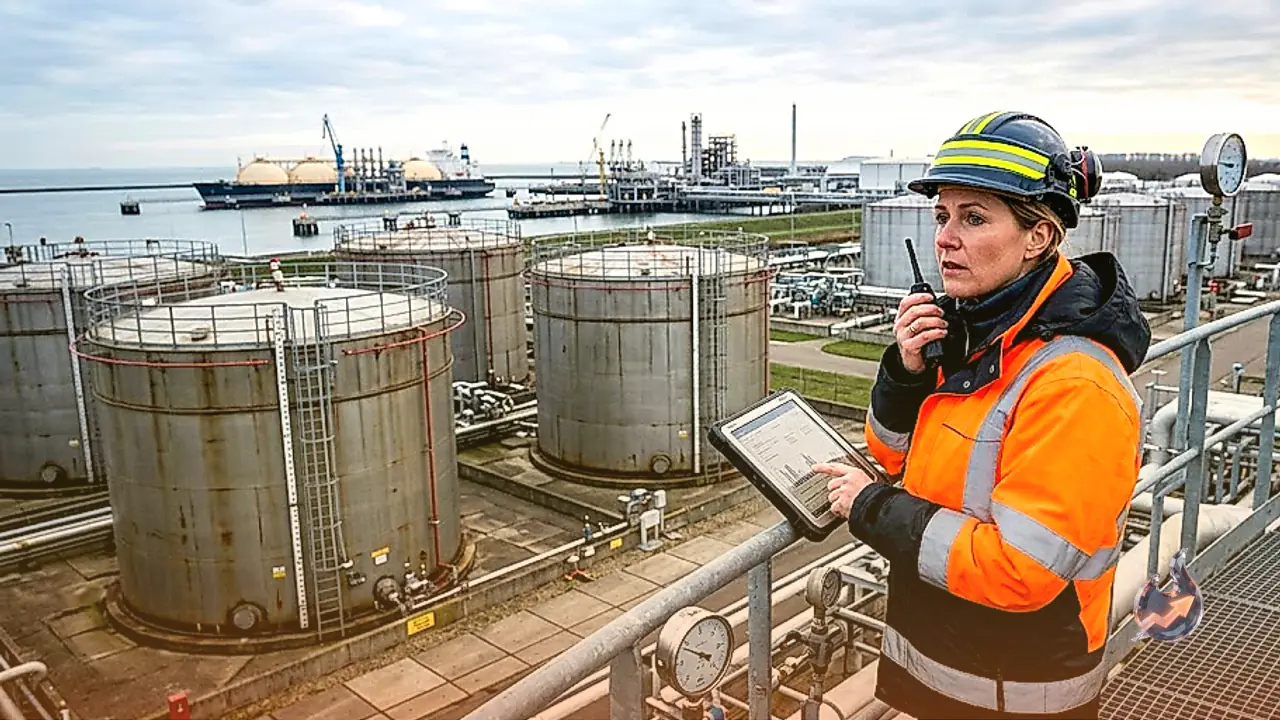
The confrontation has stretched well beyond isolated strikes. Over recent days, each side has been accused of hitting the other's critical infrastructure. Washington has clamped a renewed blockade on Iranian ports, while Tehran has answered by declaring the Strait of Hormuz shut and going after American allies scattered across the region. For currency markets, a drawn-out clash of this kind tends to lift so-called safe-haven money such as the US Dollar, and that alone can keep a lid on any attempt by AUD/USD to bounce back.
Cooler inflation cools the case for Fed hikes
Pulling in the same direction, though for entirely different reasons, was a fresh read on US prices that landed softer than many had braced for. The figures prompted traders to walk back their expectations that the Federal Reserve would rush to raise interest rates again. Consumer prices in June actually fell 0.4% over the month, the steepest single-month drop since April 2020, and that pulled the annual pace down to 3.5% from 4.2% in May, snapping a run of three straight months in which inflation had been picking up speed. Underlying prices, which strip out the noisier items, went nowhere at all on the month and eased to 2.6% on a yearly basis, with both figures coming in below what forecasters had penciled in.
Those numbers reshaped the wagering on the Fed's next move. The odds of a July rate increase have collapsed to just 14%, down sharply from the 25% chance the market was pricing only a week earlier, based on the CME FedWatch tool. Looking further out, traders now expect a cumulative 30 basis points of tightening to be delivered by December.
What really steers the Australian Dollar
Beyond the day's headlines, the Aussie answers to a familiar set of forces, and the biggest of them is the interest rate set by the Reserve Bank of Australia. Because the country is rich in natural resources, the price fetched by its single largest export, iron ore, matters enormously too. Add to that the health of China's economy, Australia's most important trading partner, along with domestic inflation, the pace of growth and the nation's trade balance. Overriding all of it is the broader mood of investors: when appetite for risk runs strong the Aussie usually benefits, and when caution takes over, as it did on Monday, it suffers.
The Reserve Bank's chief lever is the rate at which Australian banks lend to one another, a benchmark that ripples out into borrowing costs right across the economy. Its central mission is to keep inflation parked in a steady 2% to 3% band, nudging rates higher or lower to get there. When Australian rates sit comfortably above those of other major central banks, the currency tends to draw support; when they lag behind, the reverse holds. The bank has two further tools at its disposal, loosening credit by pumping money into the system, which weighs on the Aussie, or tightening it, which lends the currency a hand.
Why China and iron ore loom so large
Since China buys more from Australia than any other nation, the fortunes of the Chinese economy feed straight through to the Australian Dollar. A booming China snaps up more raw materials, goods and services, driving demand for the Aussie higher and lifting its value, while a slowdown does the reverse. That is why an unexpected beat or miss in Chinese growth figures so often shows up immediately in the Australian Dollar and the pairs it trades against.
Iron ore sits at the heart of that relationship. It is Australia's top export earner, worth roughly $118 billion a year going by 2021 figures, and China is where most of it ends up. As a rule, when iron ore prices climb the Aussie tends to climb with them, as overall demand for the currency swells, and a drop in the metal drags the currency the other way. Richer iron ore prices also make it more likely that Australia will run a surplus on its trade account, which is yet another plus for the currency.
The trade balance piece of the puzzle
The trade balance, simply the gap between what a country earns from selling abroad and what it hands over for its imports, is another handle on the Aussie's value. When Australia is shipping out goods the world is hungry for, foreign buyers have to acquire its currency to pay for them, and that surplus demand lifts the Aussie regardless of anything else. A healthy surplus therefore firms up the currency, while a deficit tends to sap it.
The wider market backdrop
The cross-currents were visible elsewhere too. Oil prices pushed higher even as the US Dollar itself slipped, with the persistent friction in the Middle East keeping crude bid. Looking ahead, the calendar is crowded, with US corporate earnings, a European Central Bank decision and a steady stream of UK news all set to compete for attention. In particular, Wall Street faces an important test as investors turn their gaze to results from the technology heavyweights.