
The Meghalaya government has announced a major restructuring of its school academic framework and operational guidelines for the upcoming 2027-28 academic session. Under the new directives issued by the state's Education Department, schools across Meghalaya will see longer instructional hours, a restructured annual calendar, mandatory working day thresholds, and the implementation of 10 bagless days to promote practical learning. The policy aims to shift student evaluation away from traditional memorisation toward comprehensive skill development and holistic growth.
New Academic Calendar and Working Day Requirements
The revised academic session is officially set to commence on February 8, 2027. The Education Department has established staggered closing dates for different grade levels to accommodate learning needs. For students enrolled in pre-school up to Class 2, the academic period will wrap up on November 26. Meanwhile, students studying in Class 3 through Class 10 will continue their academic sessions until December 16, with the annual winter vacation scheduled to start on the following day, December 17.
Alongside the revised calendar, the government has defined clear requirements for minimum working days and instructional hours across all school tiers
- For primary education (Classes 1 to 5), institutions are required to operate for at least 200 working days, completing a minimum of 1,000 instructional hours over the academic year.
- Middle school levels (Classes 6 to 8) must fulfill at least 220 working days, providing 1,320 instructional hours.
- Secondary and higher secondary grades (Classes 9 to 12) will also follow a 220-day schedule, but with extended instructional time totaling 1,540 hours.
Implementation of Bagless Days and Experiential Learning
A major highlight of the newly announced policy is the mandatory integration of at least 10 bagless days during each academic session. This initiative is designed to take student education outside conventional classroom walls, exposing children to practical life skills, local heritage, and direct interactions with members of the community.
During these designated bagless days, students will engage in a wide variety of experiential activities including learning traditional local crafts and interacting directly with artisans and farmers. They will also undertake educational visits to farms and heritage sites, participate in sports events and cultural programmes, go on nature walks, and learn core concepts of financial literacy and basic entrepreneurship.
Mandatory Community-Integrated Skill Learning and Vocational Focus
The state Education Department has placed specific emphasis on vocational exposure and practical skill training, particularly for students in Classes 6 to 8. To formalise this approach, the government is introducing Community-Integrated Skill Learning (CISL) as a compulsory component for all students spanning Classes 6 to 10.
This innovative skill curriculum will be merged into the existing Health and Physical Education subject framework. Out of the 100 total marks allocated to Health and Physical Education, CISL will carry 50 marks, while the remaining 50 marks will assess conventional physical education and health topics. CISL will provide structured, supervised learning opportunities in agriculture, family-based trades, creative arts, digital skills, entrepreneurship, and community service.
Revised School Hours and Student-Led Daily Assemblies
To support the expanded curriculum and instructional hours, the Education Department has specified updated operational hours for all government-managed educational institutions
- Lower primary schools will run from 9:00 am to 2:00 pm daily.
- Upper primary schools will operate from 9:00 am to 3:00 pm.
- Secondary and higher secondary schools will function from 9:00 am to 4:00 pm.
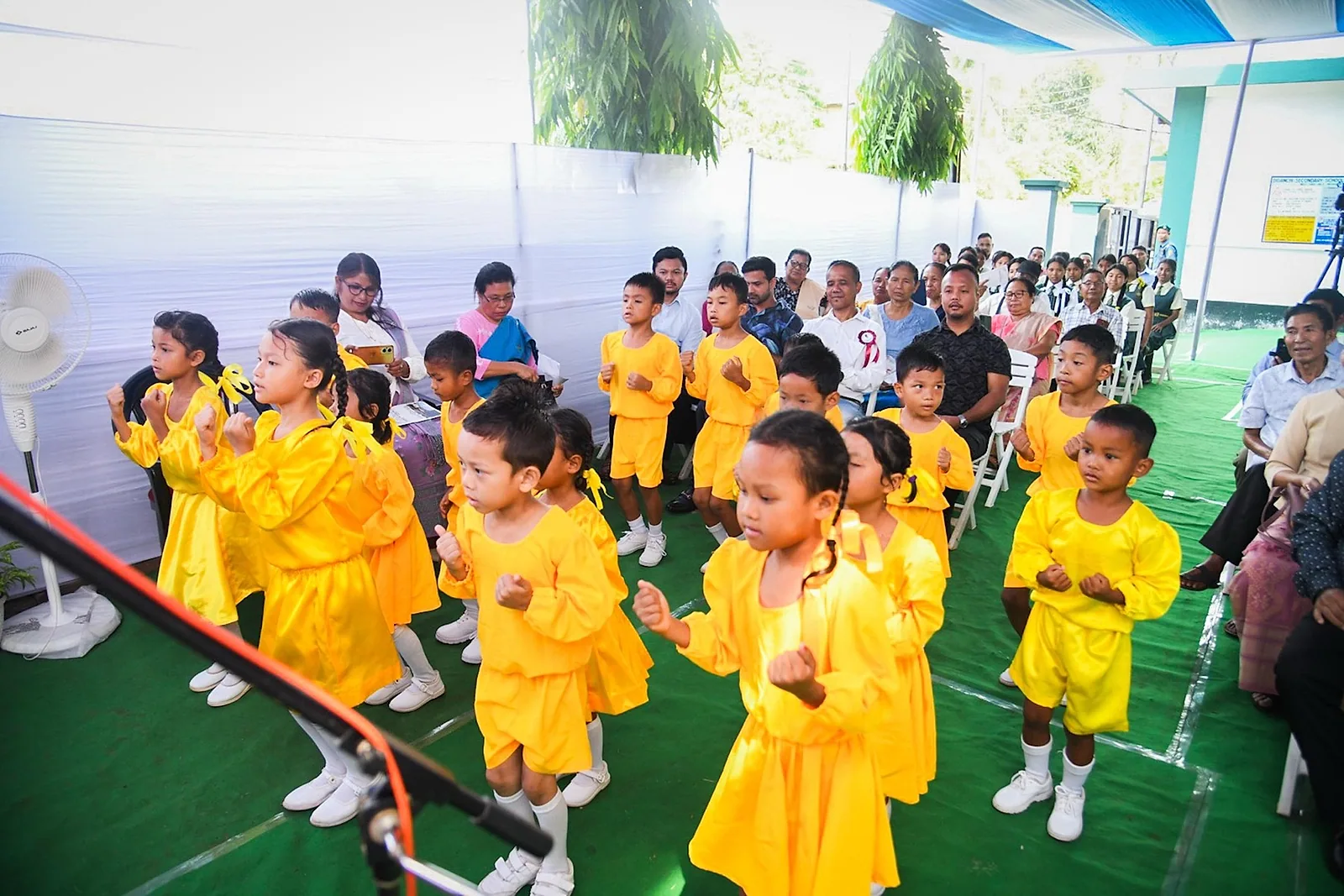
Additionally, morning assemblies will be mandatory on every single working day. Schools are required to ensure these assemblies are primarily planned and driven by students themselves. Daily assembly activities will include reading current news, delivering speeches, storytelling, holding quizzes, presenting cultural items, and conducting open discussions on civic duties, personal health, and environmental awareness.
NEP 2020 Alignment Competency Assessments and Parental Involvement
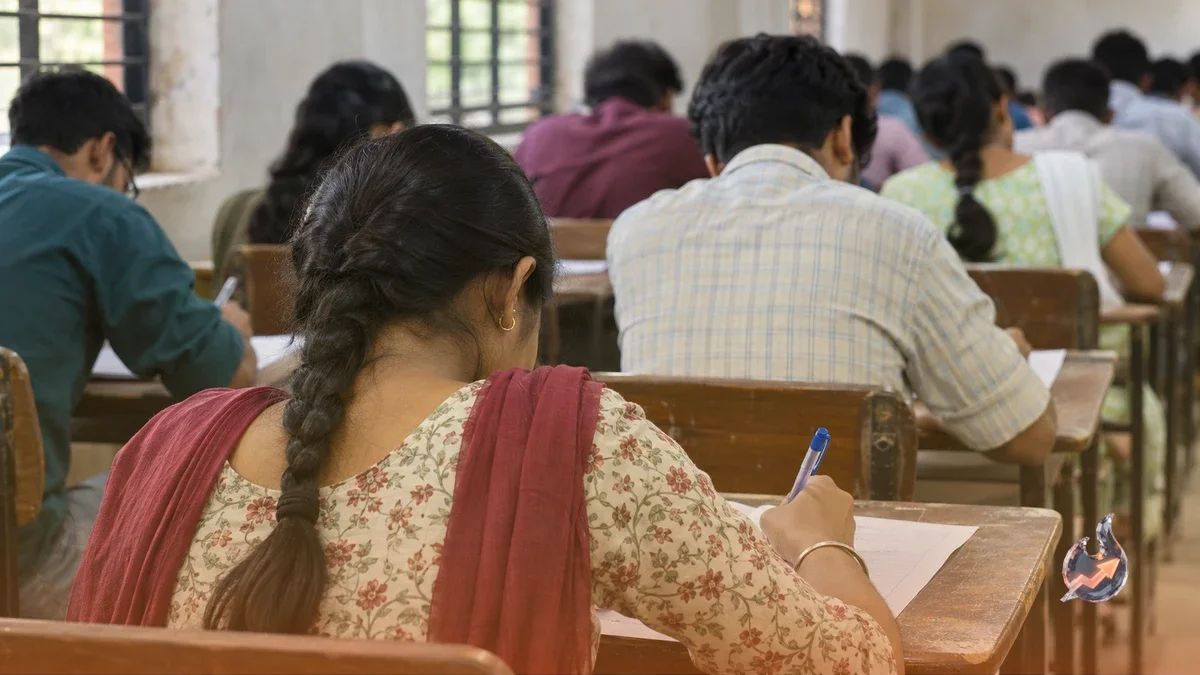
On the academic management front, school administration must ensure full coverage of the prescribed syllabus through advance lesson planning and routine internal oversight by institutional heads. In line with the National Education Policy (NEP) 2020 guidelines, the state is transitioning away from rote learning toward competency-based assessments.
Under this new evaluation system, student progress will be judged using multi-dimensional methods including written examinations, oral tests, project work, practical exercises, presentations, and direct classroom observation. Schools will also conduct preliminary diagnostic assessments to identify students requiring extra assistance in reading readiness. Teachers will offer targeted, age-appropriate guidance to enhance listening comprehension, phonetic recognition, word identification, and overall reading fluency. Furthermore, regular parent-teacher meetings after mid-term and final examinations will be compulsory to evaluate individual student performance, attendance, and holistic development in a safe, inclusive environment.