






















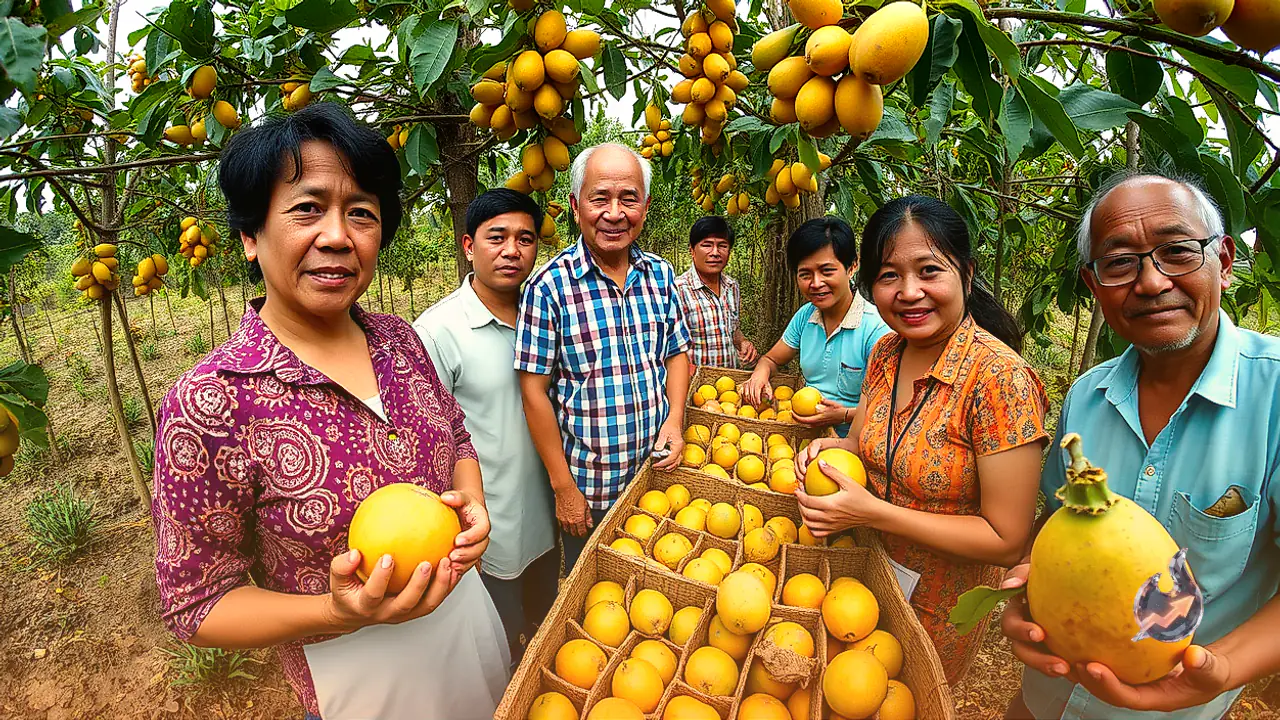

Sohiong, a treasured indigenous fruit native to the hills of Meghalaya, is moving closer to large-scale commercial cultivation following significant scientific breakthroughs by the ICAR Research Complex for the North Eastern Hill (NEH) Region in Umiam. Long cherished by local Khasi and Jaintia communities for its deep purple hue and distinctive tart-sweet flavor, the fruit is now being positioned to bolster regional food security, build climate-resilient orchards, and diversify rural household incomes across the state.
Taxonomically designated as Prunus napaulensis within the Rosaceae family, sohiong has historically remained confined to home gardens, backyard homesteads, and small scattered plots. While local populations have traditionally relished the fresh fruit and processed it into domestic squash, jams, jellies, fruit preserves, and fermented home wines, the crop never transitioned into mainstream organized horticulture due to the lack of structured production systems and viable market linkages.
The Longstanding Bottlenecks in Sohiong Cultivation
Despite its cultural importance and culinary heritage, sohiong suffered from a lack of systematic research and institutional backing. Farmers were reluctant to invest in commercial orchards because domestication, cultivation practices, and marketing avenues had never been integrated into a coherent agricultural pipeline.
The hurdles preventing commercialization spanned biological, agronomic, and economic domains
- Protracted Juvenile Period: Naturally germinated seed plants took between seven and nine years before bearing their first yield, delaying financial returns for growers.
- Canopy and Tree Dimensions: Seedling trees grew to massive heights, creating serious operational hurdles for harvesting and orchard maintenance.
- Deficit of Standardized Planting Material: Growers lacked certified, uniform cultivars and dependable propagation methods, resulting in inconsistent fruit yields and erratic quality.
- Economic Disincentives: Slow paybacks forced growers to favor established commercial fruits over unproven indigenous crops.
- Fragmented Value Chains: Dispersed production, absence of specialized processing units, limited institutional credit, and weak extension support left growers disconnected from remunerative consumer markets.
Scientific Breakthroughs: Tongue Grafting and Elite Selection
Researchers at the Umiam-based regional ICAR center addressed these limitations through targeted agronomic and breeding interventions. A primary technical milestone has been the perfection of tongue grafting protocols for the species. By adopting this vegetative propagation method, the gestation timeframe before initial fruiting has been cut down drastically from the traditional seven-to-nine-year timeline to just three to four years after field planting. Grafting also assures true-to-type multiplication, preserving elite genetic qualities and giving growers consistent harvests.
In parallel, horticulturists have isolated superior, high-performing sohiong genotypes that are currently undergoing rigorous multilocation trials at government research stations. These trials are evaluating yield parameters and fruit chemical profiles to certify reliable commercial cultivars. Furthermore, researchers are formalizing cultivation packages suited for natural and organic farming regimens, aligning with Meghalaya's sustainability priorities.
Extending Postharvest Shelf Life and Product Development
Determining ideal harvest timing has been another crucial focus area. Comprehensive maturity studies have identified exact harvest stages required for diverse processing end-uses. Researchers also deployed optical image-processing algorithms to accurately measure seed and fruit morphology, laying the empirical groundwork for mechanized grading machinery and dedicated postharvest processing equipment tailored to sohiong.
To overcome high perishability, modified packaging techniques have been introduced that preserve the fresh fruit's postharvest shelf life for up to nine days. This storage window prevents transport losses and allows farmers to transport produce beyond local village markets. Concurrently, food technologists have developed standardized production processes for a diverse portfolio of value-added retail products
- Beverages and Wines: Processed fruit squashes, ready-to-serve drinks, and regulated fermented wines.
- Confectionery and Fruit Leather: Sweet candies, fruit leathers, and jellies that utilize the natural dark pigments of the fruit.
- Functional Foods and Powders: Dehydrated powders designed to capitalize on the fruit's rich nutraceutical and antioxidant characteristics.
Economic Avenues for Rural Youth and Producer Collectives
The transformation of sohiong into a commercial commodity opens viable entrepreneurial tracks for rural youth, women's self-help groups (SHGs), and Farmer Producer Organisations (FPOs). Enterprise opportunities range from high-tech nursery management and grafted sapling distribution to localized small-scale processing hubs and packaging units. The distinctive dark pigmentation and unique tart profile of the fruit make it particularly well-suited for high-value organic niches and regional specialty branding.
Field translation is already in progress, with quality grafted planting stock being multiplied and distributed across Meghalaya via the Farmers' Commission, Krishi Vigyan Kendras (KVKs), state line departments, and progressive agriculturalists. Integrating sohiong into agroforestry and multi-tier cropping systems offers growers a hardy, weather-tolerant income buffer. Realizing the full commercial potential of this indigenous crop will depend on coordinated participation between ICAR, the Meghalaya Department of Horticulture, regional research bodies, and private agro-entrepreneurs.