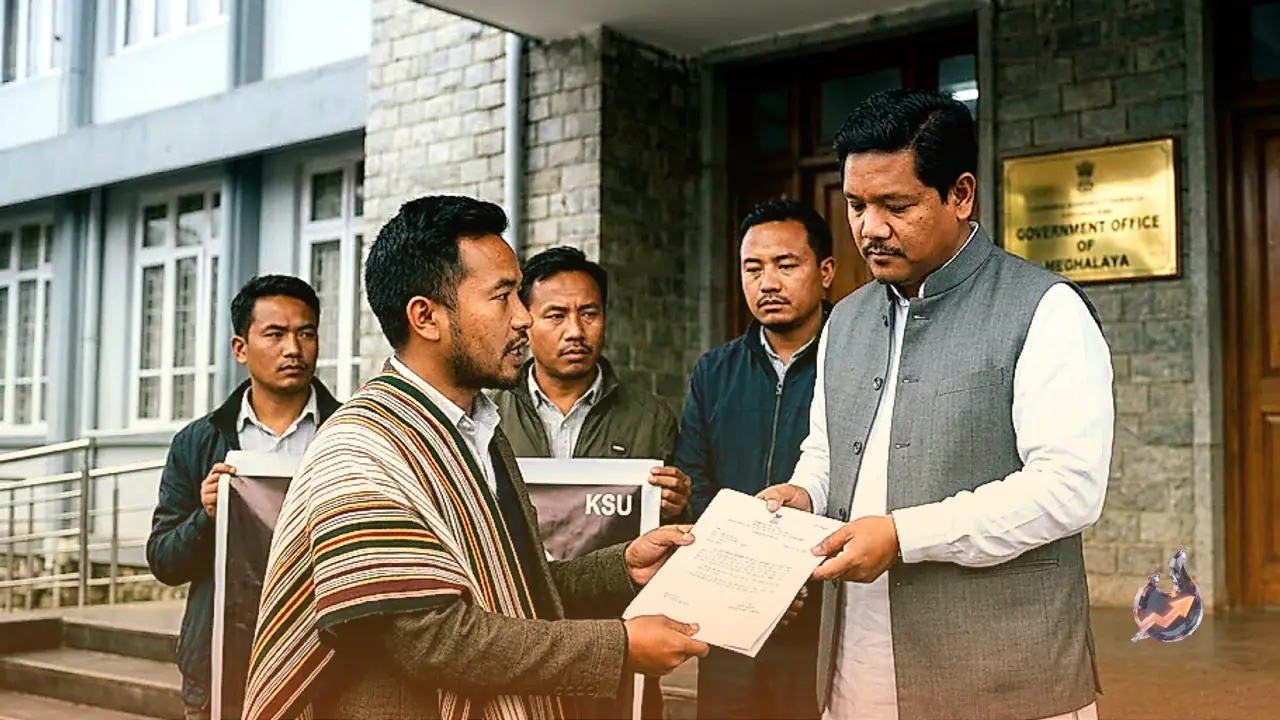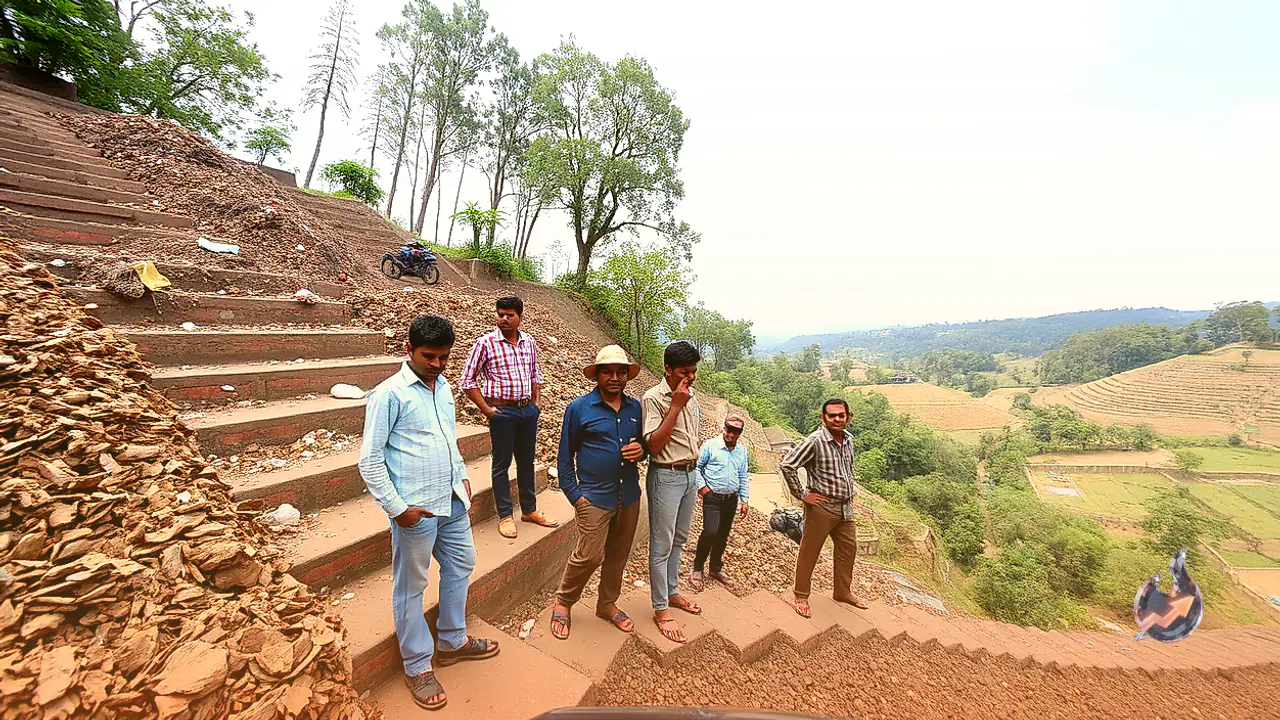
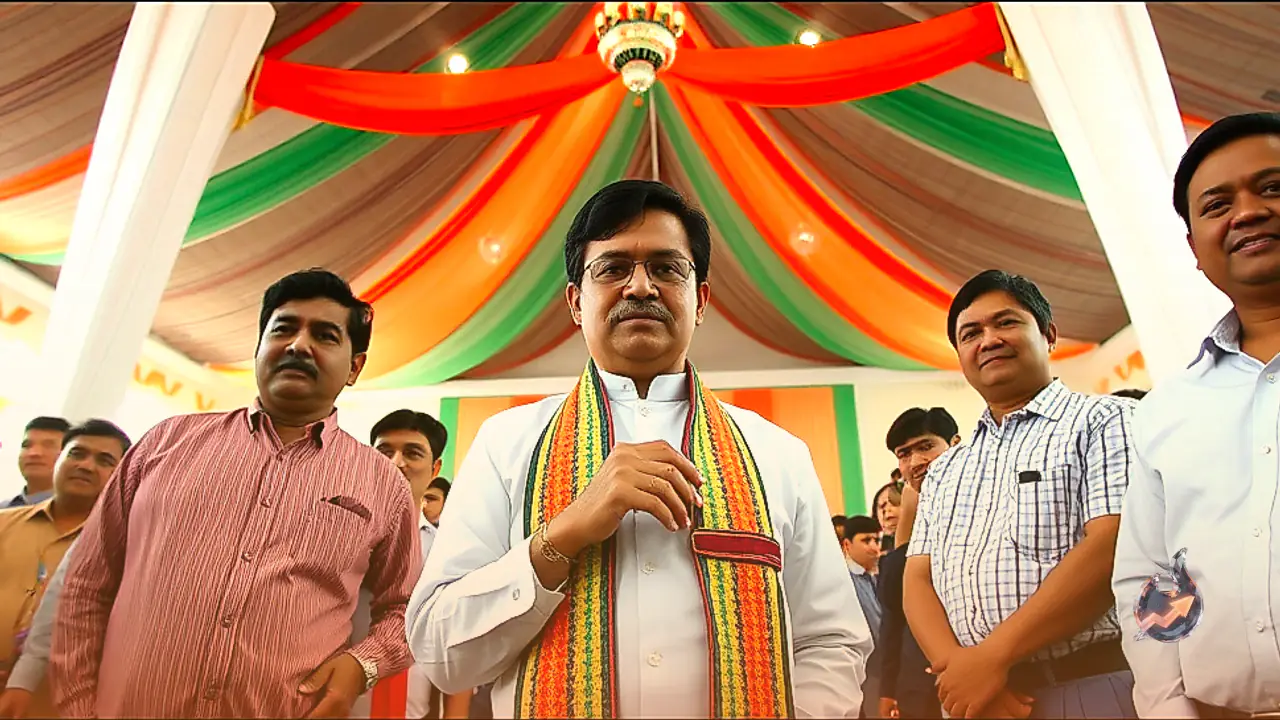
















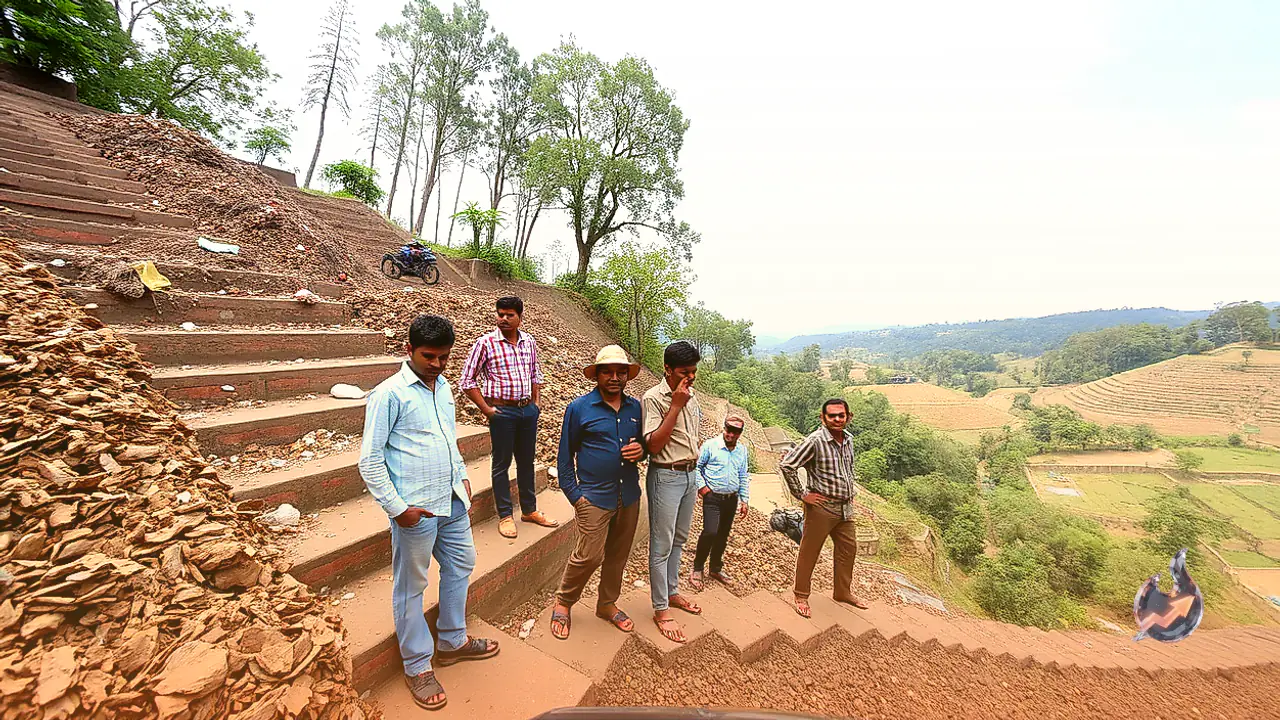

Meghalaya is moving to establish scientific waste processing infrastructure across its major hubs, with the state administration actively scouting suitable locations. Deputy Chief Minister Sniawbhalang Dhar participated in an extensive cleanliness drive spanning nearly 100 kilometres from Nongpoh to Sohra, organized under the Swachhata Hi Seva 2026 initiative, where he detailed plans to modernize sanitation and waste handling systems.
Setting Up Scientific Facilities Across Key Urban Centres
The government is currently identifying potential sites for scientific waste-management facilities in Jowai, Tura, and Nongpoh. Sniawbhalang Dhar stated that authorities are also exploring convergence with rural development schemes to extend solid waste solutions to larger villages. The initiative aims to introduce structured, scientific processing mechanisms that move beyond routine dumping and provide long-term waste handling across both urban and rural Meghalaya.
Community Mobilization Under Swachhata Hi Seva
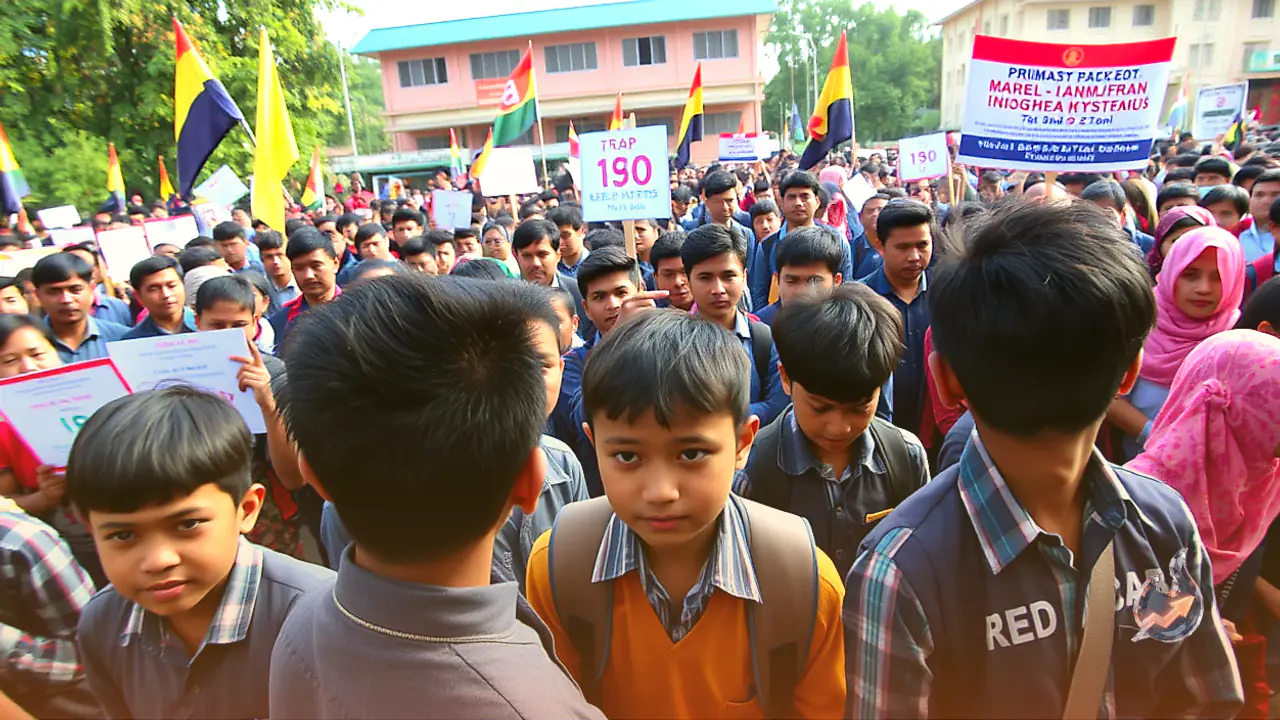
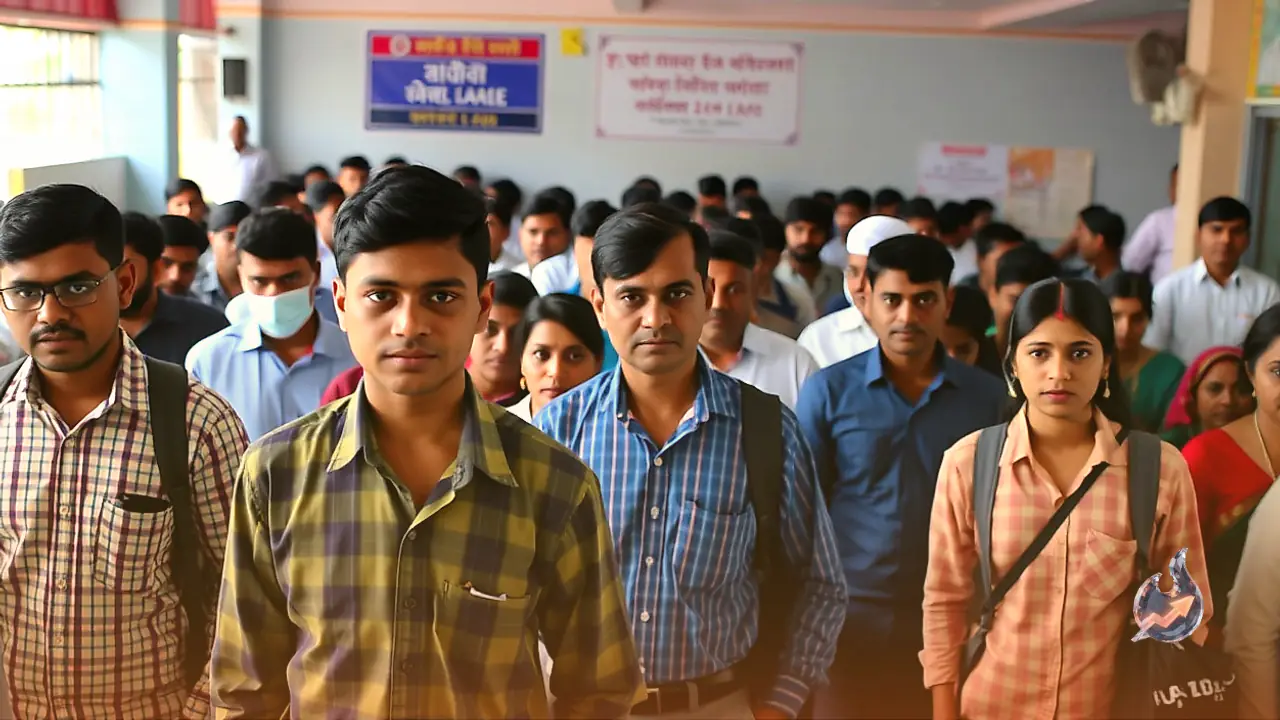
Organized under the banner of “Ek Din, Ek Saath, Ek Ghanta”, the 100-kilometre clean-up brought together students, Dorbar Shnongs, civic bodies, government departments, and local residents. Dhar stressed that maintaining environmental hygiene cannot remain solely the duty of the administration, noting that it demands steady involvement from every citizen, community, and institution. He urged the public to turn cleanliness from a periodic drive into an everyday habit and shared duty.
Balancing Tourism Growth with Ecological Care
Highlighting the steady rise in travellers visiting Meghalaya, Dhar pointed out that safeguarding the state's natural landscapes while keeping communities clean is a collective responsibility. He stated that the government will tighten coordination between urban and rural departments, village councils, schools, and youth and women's groups to build an enduring, green, and sustainable waste framework statewide.