

















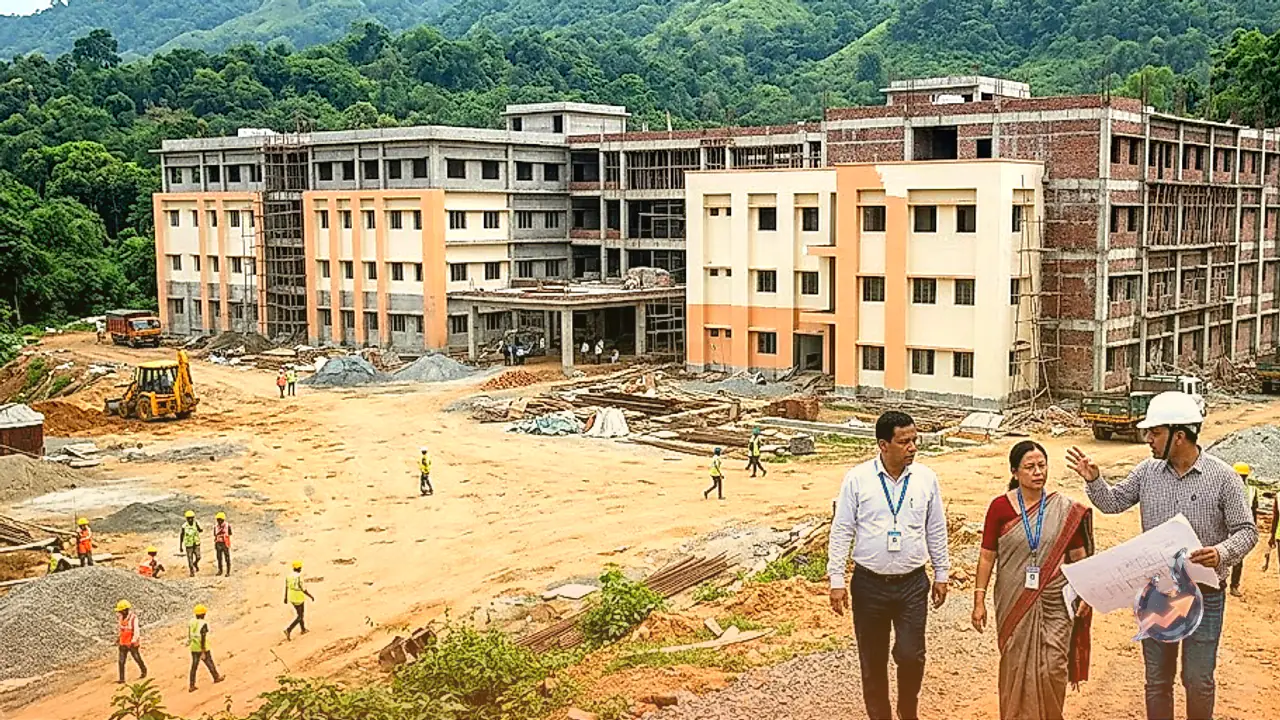

Operational plans for Meghalaya's Tura Medical College remain stalled due to an acute shortage of qualified medical teachers, even as on-site building activity moves steadily forward. The Health and Family Welfare Department reviewed the institutional readiness during a high-level administrative meeting, noting that while brick-and-mortar development has achieved substantial milestones, finding doctors to fill mandatory faculty posts remains an unresolved bottleneck.
Administrative Review Evaluates Functional Readiness
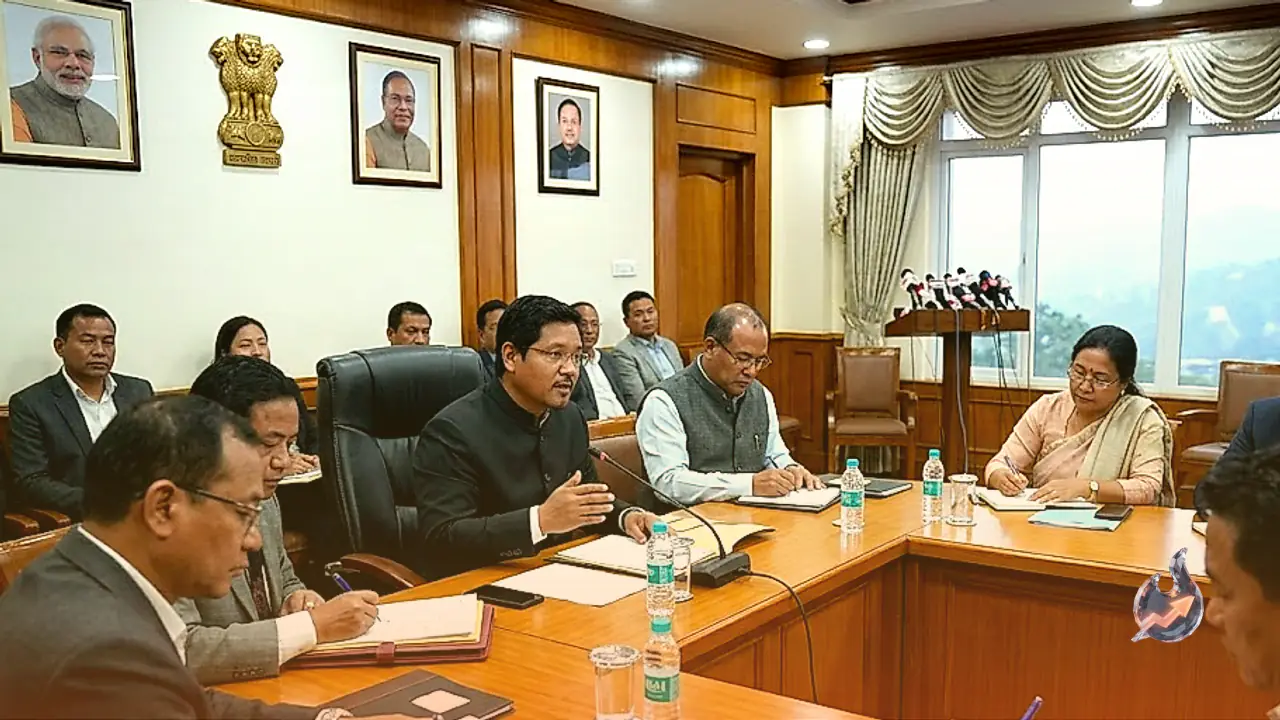
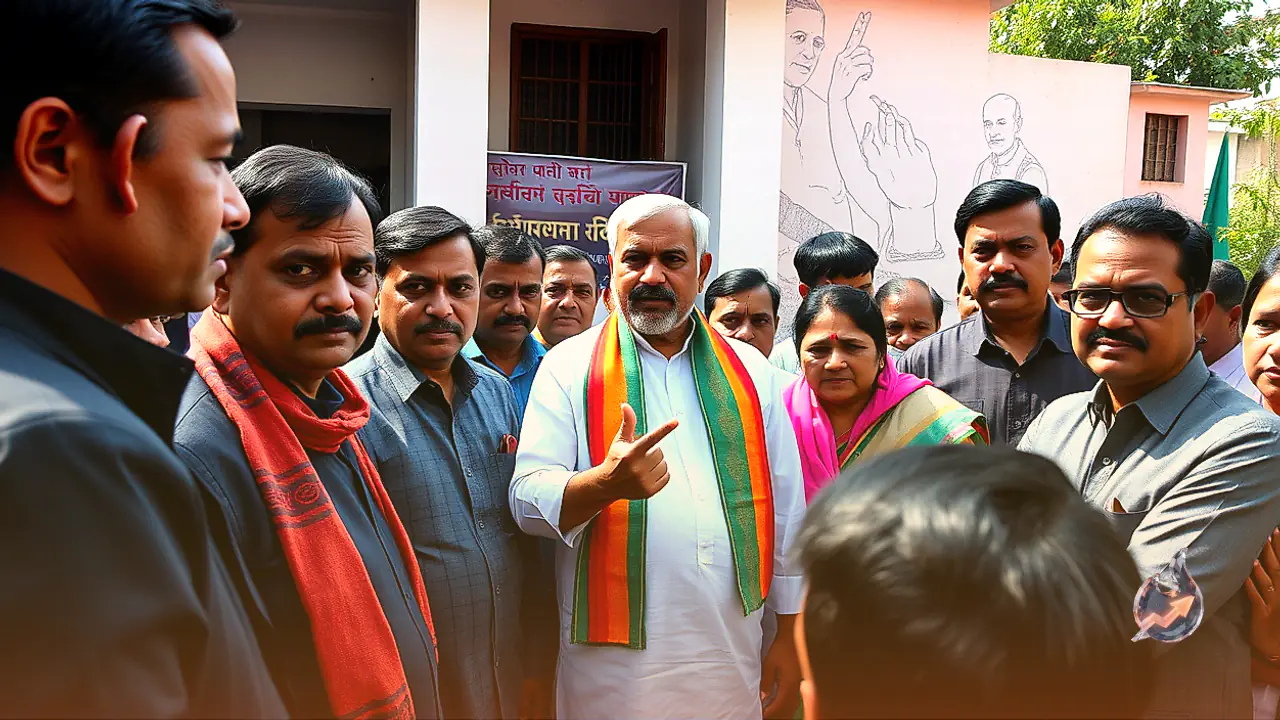
The state Health and Family Welfare Department's Commissioner and Secretary led a formal review session on Wednesday to gauge institutional arrangements necessary for commissioning the facility. The gathering also formally welcomed Dr. Baladalin Lyngdoh in her capacity as the newly appointed Director of Health Services (Medical Education and Research). Officials examined structural progress, operational deadlines, and regulatory prerequisites essential for securing academic recognition.
Current Construction Benchmarks and Projected Deadlines
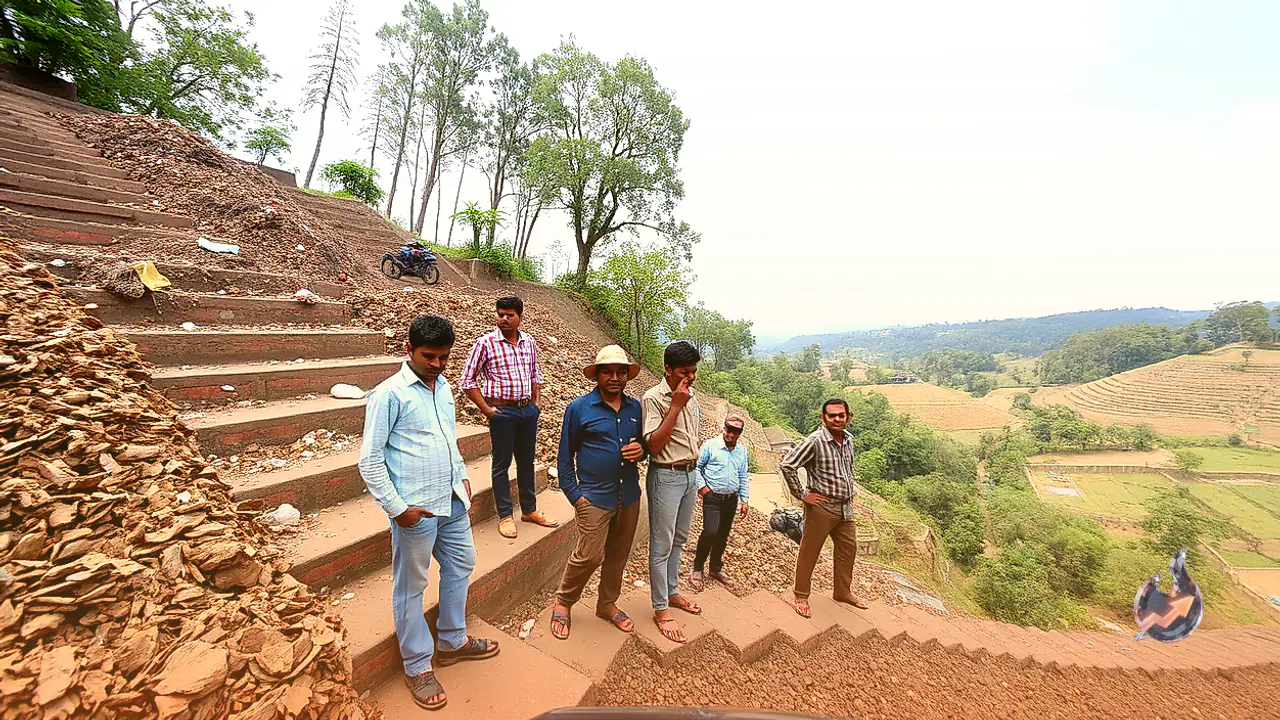
Overall physical progress across the project has reached 84 per cent. However, development remains uneven across the hospital extensions planned at the Civil Hospital campus in Tura. Physical work on the 80-bedded hospital wing has progressed to 55 per cent, whereas construction of the 150-bedded hospital structure stands at 25 per cent completion.
Departmental timelines outline that student accommodation hostels and Type-5 residential quarters at Doldagre are scheduled to finish by December 31, 2026. The primary academic block carries a completion target of March 31, 2027. Ancillary staff residences, covering Type-2, Type-3, and Type-4 categories, are slated for handover by June 30, 2027. Regarding the clinical facilities at the Civil Hospital site, the 80-bedded block is targeted for completion by December 31, 2026, while the larger 150-bedded facility should be finalized by June 30, 2027.
Critical Deficits Across Academic Faculty Ranks
Despite visible structural advancement, procuring teaching doctors presents the steepest hurdle before academic sessions can commence. The National Medical Commission (NMC) mandates 97 faculty positions to sanction an intake of 50 MBBS candidates per year, but the institution falls significantly below these statutory norms.
Vacancies remain acute across senior pedagogical tiers. The college experiences an 86 per cent deficit in Professor ranks, closely matched by an 85 per cent shortfall in Associate Professor roles. The shortage reaches 52 per cent for Senior Residents and 36 per cent for Assistant Professors. The department has already floated three successive recruitment notifications and spent the last five months consulting doctors across Garo Hills to discover viable staffing arrangements.
Balancing Doctor Reassignment With Rural Healthcare Needs
A substantial number of state doctors mapped to take up roles at Tura Medical College currently serve in Primary Health Centres, Health and Wellness Centres, and rural clinics situated across Garo Hills outside West Garo Hills. Relocating these medical officers into teaching assignments creates practical governance complications.
Authorities reiterated that any redeployment strategy must avoid undermining foundational medical access in rural districts across Garo Hills. Depleting periphery clinics of their resident doctors to satisfy medical college criteria would leave peripheral communities underserved, forcing administrators to strike a careful staffing compromise.
Impact on Medical Aspirants and State Fee Policy
Officials observed that every academic cycle lost without an operational college diminishes higher education opportunities for Meghalaya students seeking local MBBS seats. The Union Ministry of Health and Family Welfare originally sanctioned Tura Medical College for a 150-seat annual student capacity. Despite that sanction, administrative machinery has struggled to satisfy the teacher roster required even for a scaled-down cohort of 50 candidates.
The department emphasized that large-scale public expenditure committed to establishing the institution must materialize into professional seats for state youths. The Commissioner and Secretary stressed the administration's resolve to guarantee maximum utility for local students and patients. To ensure affordability, annual tuition for state-quota candidates will match the Shillong Medical College rate of Rs 33,000.
Ownership Framework and Key Participants
Clarifying structural governance, authorities confirmed that Tura Civil Hospital will continue under absolute government management as the designated teaching facility. Similarly, the entire Academic and Administrative Block at Doldagre will operate under 100 per cent state ownership without private concessionaires.
The review included Joint Secretary of Health and Family Welfare and Chairperson of the Manpower Assessment Committee Dr. Rezina Ch. Marak, MCS; DHS (MI) Dr. Lumrilyne M. Umlong; DHS (MCH&FW) Dr. Carolinda Iangrai; DHS (MER) Dr. Baladalin Lyngdoh; Medical Superintendent of Tura Civil Hospital Dr. J.B. Sangma; Medical Superintendent of Tura MCH Hospital Dr. B. Momin; and District Tuberculosis Officer at TB Hospital Tura Dr. Nanitha R. Marak.