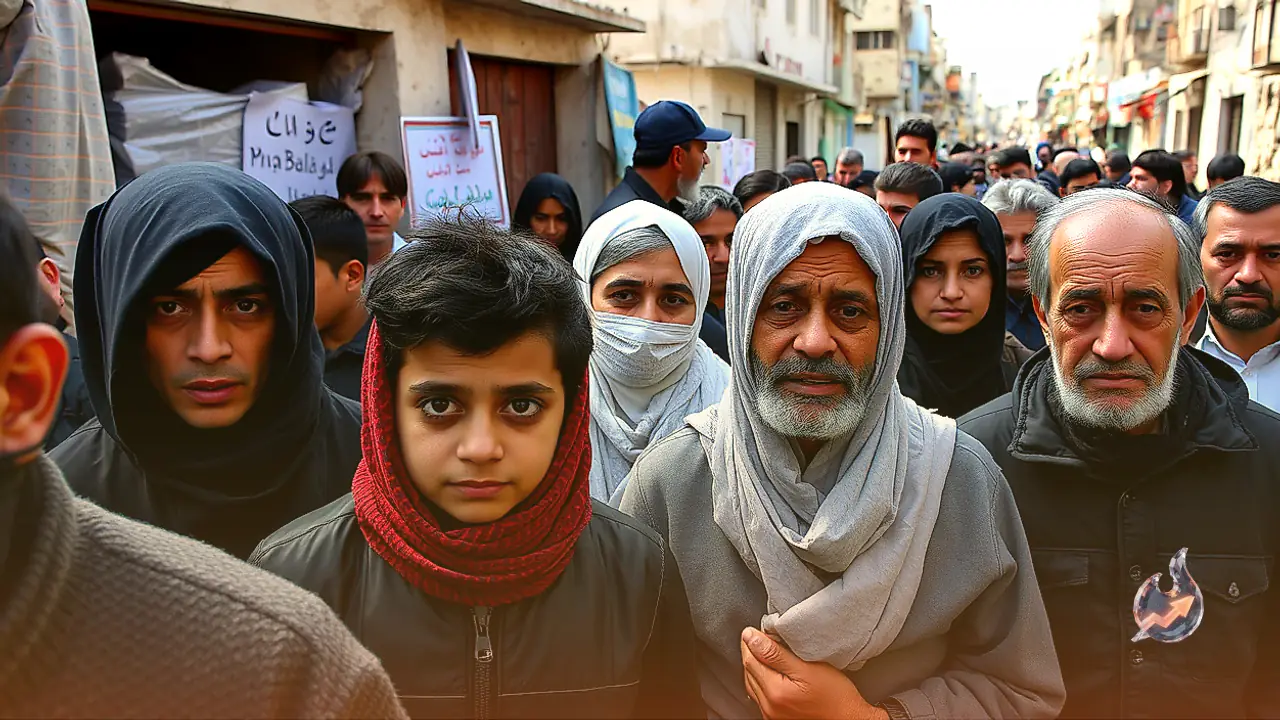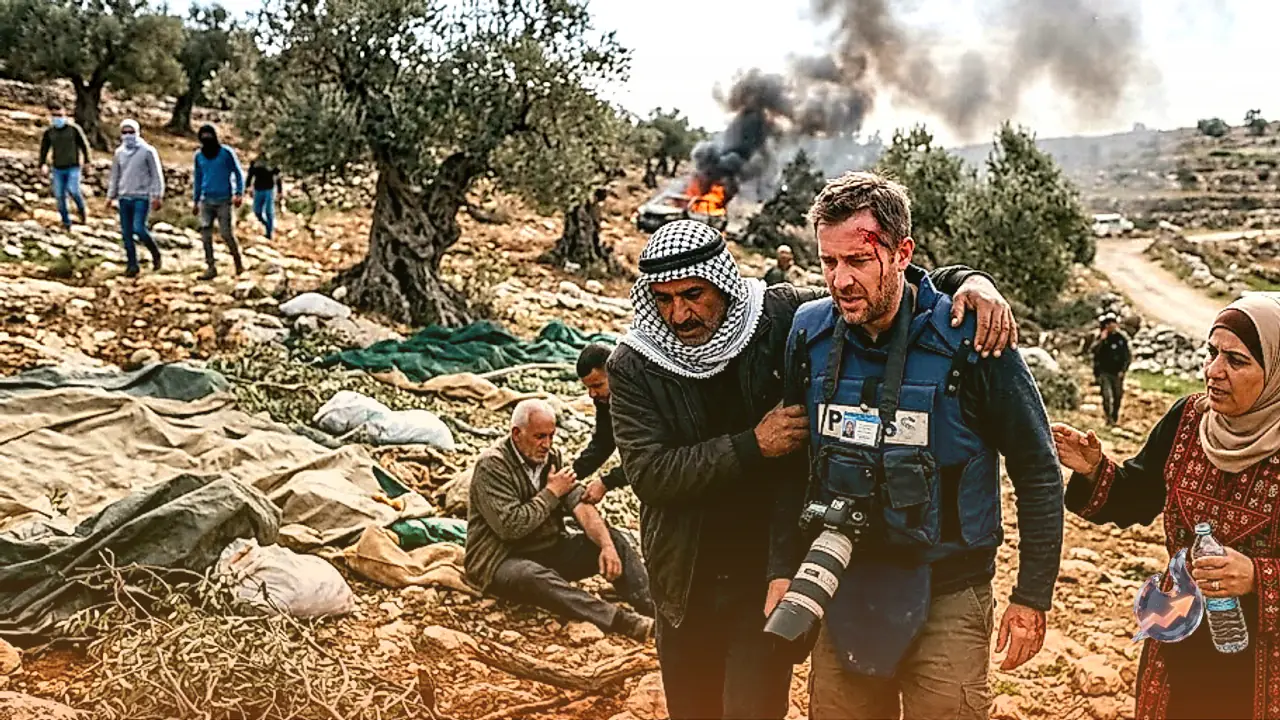



















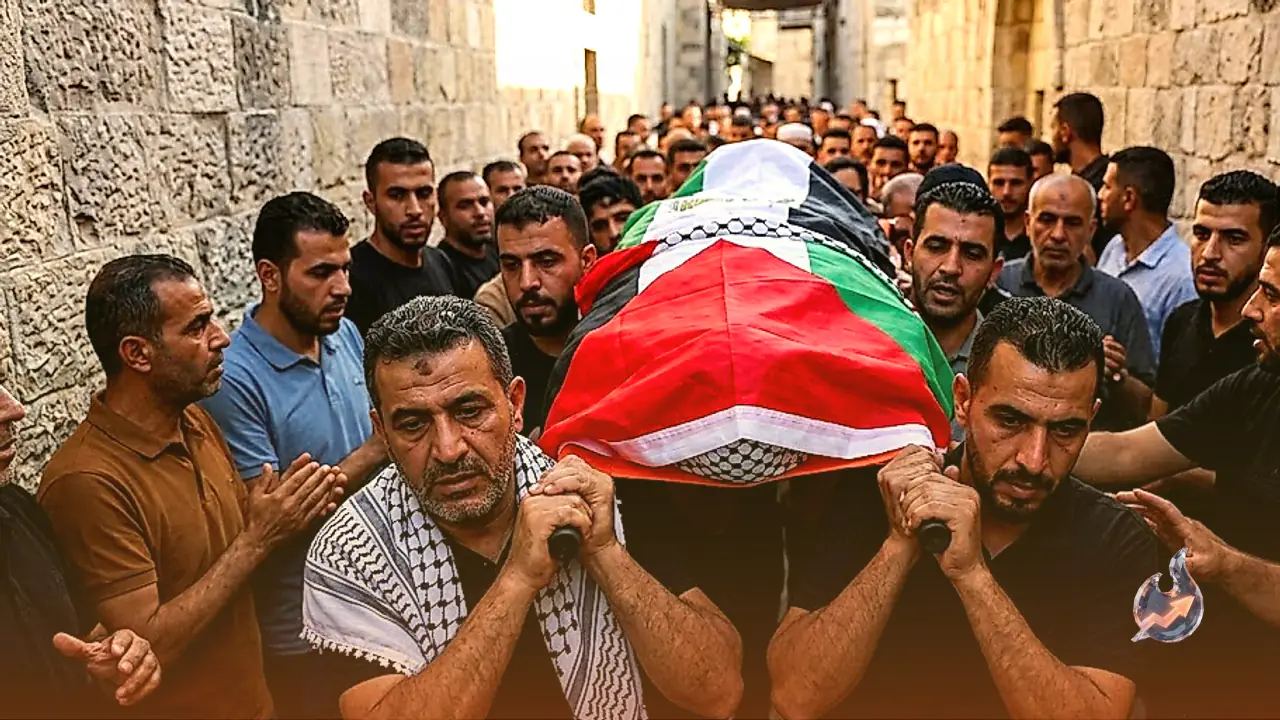

A deep wave of sorrow and mourning has swept across the Gaza Strip following the death of Mohammed al-Wahidi, a highly prominent Palestinian aid worker who was killed in an Israeli air strike in Gaza City on Tuesday. For countless individuals enduring the hardships of displacement and conflict, al-Wahidi was not just an administrative coordinator but one of the most recognizable and beloved faces of humanitarian assistance in the blockaded territory. Within hours of his tragic passing, social media platforms were inundated with photographs, videos, and hundreds of deeply emotional condolence messages from families who had crossed paths with him at aid distribution points or within the crowded confines of temporary camps.
The Targeted Airstrike in Sabra
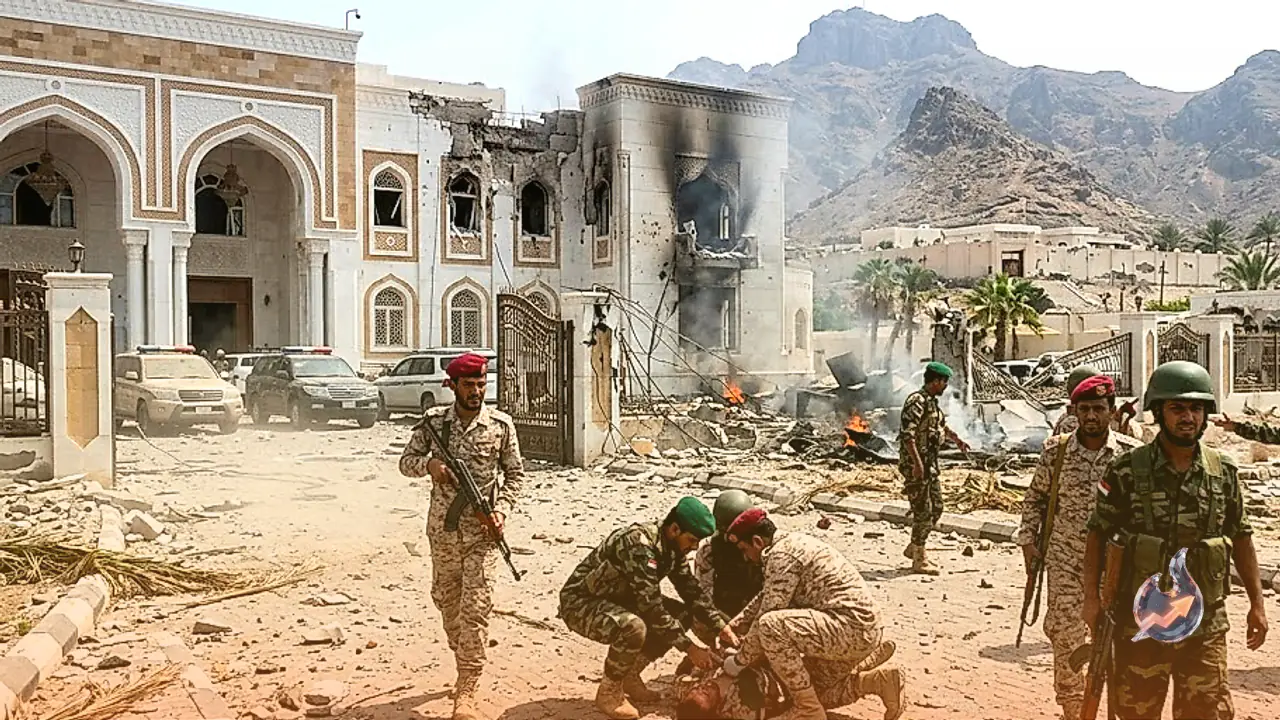
The fatal incident occurred in the Sabra neighborhood of Gaza City when an Israeli missile directly struck the taxi in which al-Wahidi was traveling. The explosion claimed the lives of four people in total. Among the dead, alongside the 65-year-old aid worker, was another man and two young brothers, aged eight and 10, who happened to be walking past the vehicle when the strike occurred. Addressing the incident, the Israeli military confirmed that its forces had carried out a strike targeting a Hamas operative, adding that it was aware of reports indicating that uninvolved civilian bystanders had been killed during the operation.
From the Classroom to the Frontlines of Relief
Prior to the escalation of the conflict, al-Wahidi spent his years working as an English teacher, dedicated to educating the youth of Gaza. However, as the humanitarian situation worsened, he transitioned into a pivotal administrative role, becoming a senior official with the Egyptian Relief Committee in Gaza. This Egypt-backed humanitarian organization has been at the forefront of major relief operations, delivering food, water, and essential supplies to the Palestinian population since the outbreak of hostilities between Israel and Hamas. For more than two-and-a-half years, al-Wahidi diligently coordinated emergency food distributions, oversaw the complex logistics of building camps for uprooted families, and worked tirelessly to ensure aid reached communities displaced by successive waves of military operations.
A Leader Who Chose the Field Over the Office
What set al-Wahidi apart and endeared him so deeply to the local population was his refusal to remain behind a desk. Rather than managing high-level aid operations from a remote office, he actively chose to work directly on the ground. Volunteers who served alongside him described him as a constant presence at distribution sites, where he would personally interact with displaced families, listen to their immediate grievances, and work swiftly to address their urgent needs. His hands-on approach and genuine empathy transformed him into a comforting and familiar presence across countless shelters throughout the devastated territory.
Bringing World Cup Joy Amid the Ruins
In recent weeks, al-Wahidi had gained even wider recognition for spearheading a unique initiative: organizing large-scale public screenings of World Cup football matches. These screenings were set up across multiple areas, including Gaza City, Deir al-Balah, and the al-Mawasi region in the south. The goal of the project was to provide exhausted families, and especially traumatized children, with a brief, precious window of escape from the daily horrors of the ongoing war. Because of the long-standing emotional, cultural, and political bonds between Palestinians in Gaza and Egypt, matches involving the Egyptian national football team drew massive, enthusiastic crowds. Viral videos of children gathering around massive projection screens erected against backgrounds of pulverized buildings offered rare, uplifting scenes of collective joy and celebration amid the ruins.
A Tragic Loss on the Eve of a Historic Match
The tragedy of his death was further magnified by its timing. Al-Wahidi was killed only hours before a highly anticipated screening of Egypt's Round of 16 match against Argentina was scheduled to take place in Gaza City. This cruel timing deepened the sense of loss felt by the community. Paying tribute to his legacy, local activist Mohammed Hmeid, who had closely documented al-Wahidi’s humanitarian endeavors, wrote that he was far more than an aid worker in a committee. He described him as a daily door to hope for those who had lost everything they owned. Hmeid lamented that even those who commit their entire lives to helping others are not spared in Gaza, but concluded that good deeds cannot be killed and will live on in the hearts of the people forever.
The Rising Toll on Humanitarian Workers
Al-Wahidi’s sudden death serves as another grim reminder of the extreme dangers faced by humanitarian workers operating inside the enclave. By late April, the UN had officially recorded the deaths of at least 593 aid workers since the outbreak of the war. Alarmingly, this figure includes eight aid workers who have been killed since Israel and Hamas reached a ceasefire agreement 10 months ago, highlighting that even during periods of relative diplomatic progress, the threat to those delivering aid remains incredibly high.
The Broader Conflict and Human Cost
The current military campaign in Gaza was launched by the Israeli military in response to the unprecedented Hamas-led cross-border attacks on southern Israel on October 7, 2023. During those initial attacks, approximately 1,200 people were killed and 251 individuals were taken as hostages. Since the launch of Israel's retaliatory offensive, the scale of destruction and loss of life in Gaza has been staggering. According to the Hamas-run health ministry, whose statistics are regarded as highly credible and relied upon by the UN, at least 73,118 Palestinians have been killed in Israeli attacks. The death of al-Wahidi marks yet another loss of a key civil society figure who worked to keep humanity alive under the most challenging circumstances imaginable.