
















TrendKia
AllLiveNational
World
All World
PakistanChinaAmericaEuropeAsiaMiddle EastLatin America
Politics
Uttar Pradesh
Uttar Pradesh
Uttar PradeshBiharMadhya PradeshRajasthanDelhiMaharashtraGujaratPunjabHaryanaWest BengalTamil NaduKeralaKarnatakaTelanganaAndhra PradeshJharkhandChhattisgarhOdishaAssamUttarakhandHimachal PradeshJammu & KashmirGoaChandigarhPuducherry
Travel
Travel
Business
MarketMoneyAutoBenefitsSuccess StoriesCryptoAI
Sports
CricketTennisFootball
EntertainmentMovies, TV & celebrities
BollywoodOTTBhojpuriMovie ReviewsTVHollywood
TechnologyGadgets, apps & innovation
AccessoriesLaunch & ReviewDIY
HealthHealth, fitness & wellness
LifestyleFashion, relationships & lifestyle
Fashion & BeautyCultureRelationshipsTrendsParenting
FoodRecipes, food & restaurants
ReligionFaith, belief & spirituality
FestivalsVastuSpirituality
Astrology
AriesTaurusGeminiCancerLeoVirgoLibraScorpioSagittariusCapricornAquariusPisces
TravelDestinations & travel guides
Travel Tips
EducationJobs, exams & results
VacanciesAdmissionExamResultsCareer
Live
National
World
Pakistan China America Europe Asia Middle East Latin America
Politics
Business
Market Money Auto Benefits Success Stories Crypto AI
Sports
Cricket Tennis Football
Entertainment
Bollywood OTT Bhojpuri Movie Reviews TV Hollywood
Technology
Accessories Launch & Review DIY
Health
Lifestyle
Fashion & Beauty Culture Relationships Trends Parenting
Food
Religion
Festivals Vastu Spirituality
Astrology
Aries Taurus Gemini Cancer Leo Virgo Libra Scorpio Sagittarius Capricorn Aquarius Pisces
Travel
Travel Tips
Education
Vacancies Admission Exam Results Career
Uttar Pradesh Bihar Madhya Pradesh Rajasthan Delhi Maharashtra Gujarat Punjab Haryana West Bengal Tamil Nadu Kerala Karnataka Telangana Andhra Pradesh Jharkhand Chhattisgarh Odisha Assam Uttarakhand Himachal Pradesh Jammu & Kashmir Goa Chandigarh Puducherry
About Contact Privacy Cookies Terms Advertise
TrendKia logo Hindi • English News Platform

TrendKia

Fast • Fresh • Always Trending

TrendKia is a free bilingual Hindi–English news platform — trending stories from India and around the world. Sign in with Google to comment and follow topics.

About Us
TrendKia news app preview
TrendKia
AboutContactPrivacyCookiesTermsAdvertise
Behind Trump's Fierce NATO Rhetoric Lies a Fragile and Unavoidable Diplomatic Reality with IranMiddle East
2 hours ago· 3

Behind Trump's Fierce NATO Rhetoric Lies a Fragile and Unavoidable Diplomatic Reality with Iran

Despite threatening devastating military action and calling Iranian leaders scum, Donald Trump continues to allow backchannel talks, exposing a lack of better options beyond negotiating control over the crucial Strait of Hormuz.

Omar AL MansooriOmar AL MansooriMiddle East Correspondent 6 min read For AI
Share

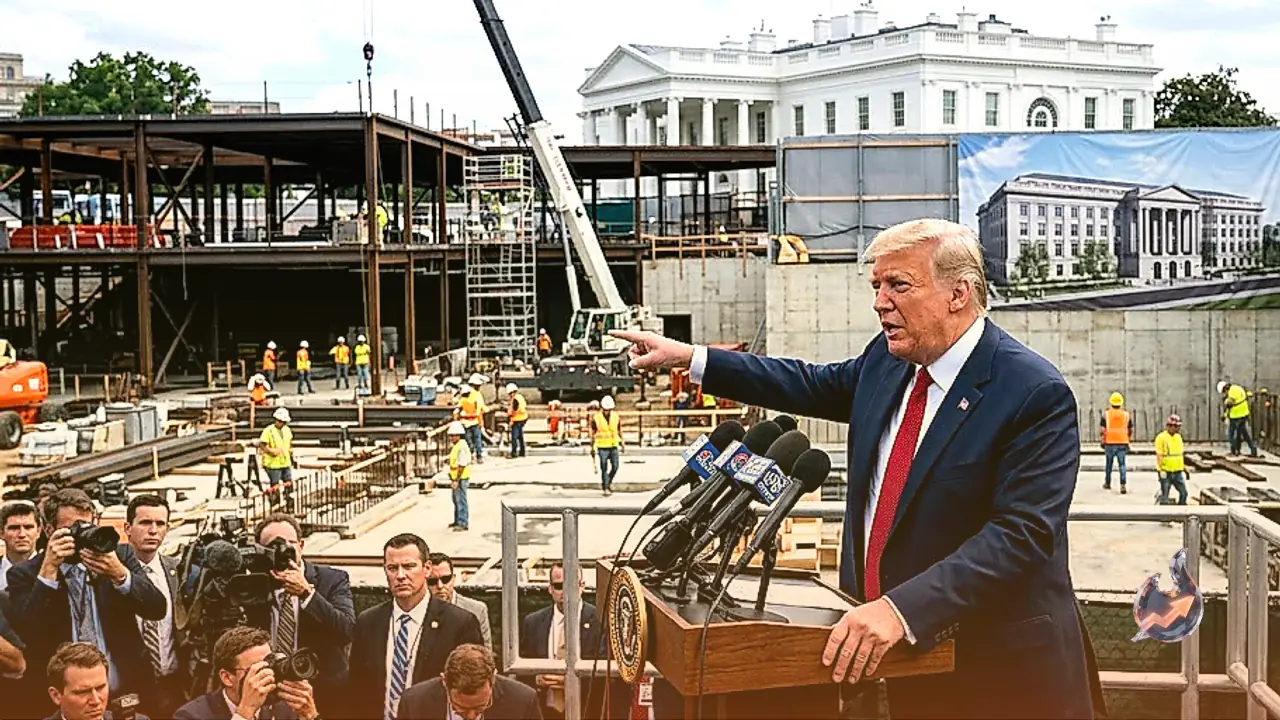
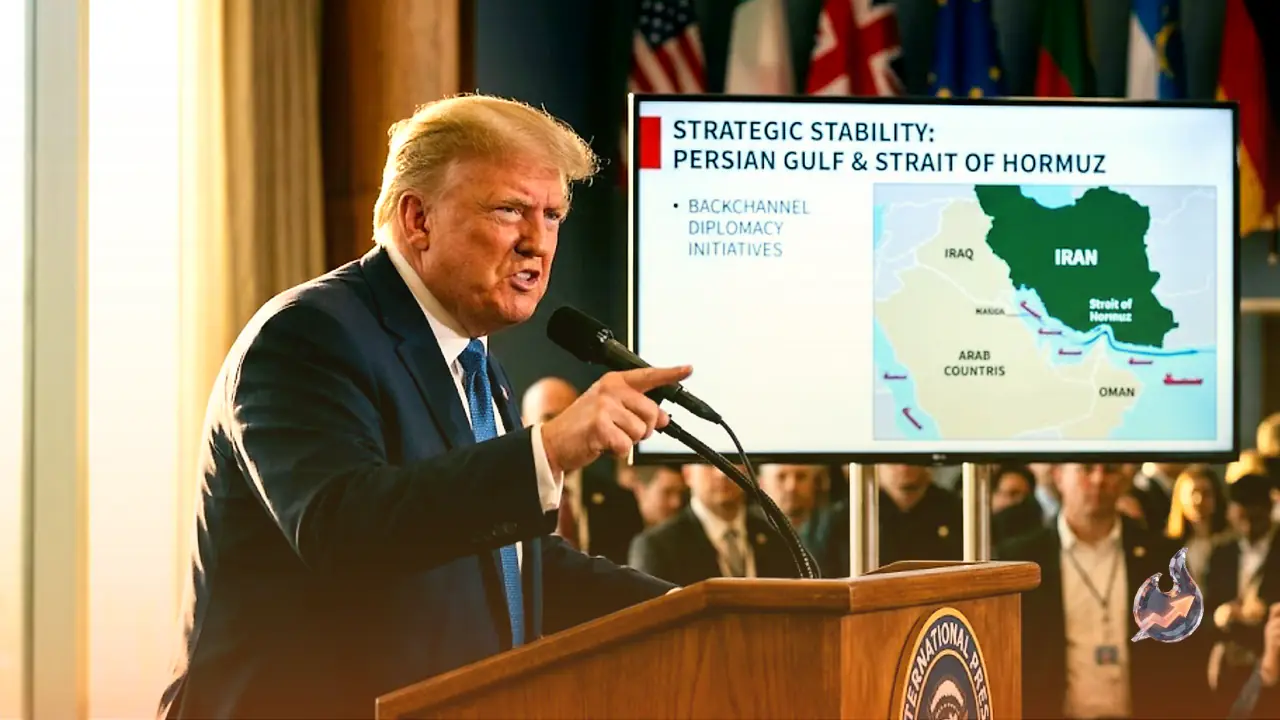
During his address at the NATO summit in Turkey, Donald Trump delivered highly volatile remarks concerning the ongoing conflict with Iran and the prospects of reaching a diplomatic settlement. Given his position as the president of the United States, these official pronouncements carry immense geopolitical weight and must be analyzed with serious attention. His rhetoric presented a striking duality, swinging between aggressive threats of military annihilation and the quiet continuation of complex backchannel negotiations. This public posturing highlighted the intense friction within the international community as diplomatic mediators struggle to keep both nations from launching a full-scale regional war.

Trump was exceptionally blunt during his public appearances in Turkey, unleashing a wave of severe verbal attacks against the Tehran establishment. He stated clearly that he no longer desired to engage in any diplomatic dealings with the current Iranian leadership, branding them as scum and sick individuals. He further alleged that the leaders running the nation are inherently vicious and violent, asserting that they would immediately deploy a nuclear warhead if they ever succeeded in developing one. He concluded this part of his remarks by declaring that, from his perspective, any path toward peaceful resolution was officially over.

Also read
Fresh Tension Grips Hormuz as a Third Tanker Is Hit in a Single Day, Qatar Points the Finger at Iran
Mystery Surrounds Iran's Succession as New Supreme Leader Mojtaba Khamenei Misses His Father's Monumental Funeral Amid High Geopolitical Tensions

The Rhetoric of Escalation and Domestic Posturing

Despite his definitive public assertions, these comments are highly unlikely to be his final words on the matter. Trump has maintained a highly unpredictable and running commentary on the armed conflict and the pending Memorandum of Understanding (MOU) currently being negotiated behind closed doors. His public statements have frequently swerved from premature declarations of military victory to warnings of wiping out entire Iranian historical civilizations, only to be followed by sudden expressions of support for a negotiated compromise. Shortly after his initial speech, he doubled down on his warnings, stating that the US would probably hit them hard again tonight, emphasizing that he had already issued a brief warning to the regime before initiating further strikes.

While there is no question that the US military possesses the sheer combat power to strike deep within Iranian territory and inflict catastrophic structural damage, military actions alone have consistently failed to break the political will of the regime. Washington has been unable to force Tehran to abandon its core strategic demands, starting with its insistence on sovereign administrative authority over the Strait of Hormuz. The regime has proven highly resilient, viewing the control of this narrow maritime passage as an existential necessity that it will not compromise under external military duress.

The Strategic Leverage of the Strait of Hormuz

At the absolute core of the recent military clashes between the US and Iran is Tehran's unyielding determination to prevent a return to the geopolitical status quo that existed before the US and Israel launched their joint military offensive on 28 February. The regime is fully committed to keeping its grip on the Strait of Hormuz, recognizing that the waterway is its ultimate shield against foreign intervention. Because this narrow channel handles the transit of approximately one-fifth of the entire global supply of oil and liquefied natural gas, it gives Iran a literal chokehold on the functioning of the global economy.

For the leadership in Tehran, this economic leverage is a far more practical, immediate, and deployable defensive asset than the theoretical acquisition of a functional nuclear weapon. This strategic value explains why Iran is fully prepared to risk the total collapse of the MOU, despite the fact that the draft agreement contains several highly attractive economic sweeteners and financial incentives. Tehran is actively choosing to gamble on a prolonged military conflict to protect what it considers its sovereign geopolitical rights over the waterway, rather than surrendering its primary defensive leverage to secure short-term sanctions relief.

The Fragility of the Parallel Diplomatic Track

Beneath the layers of aggressive public insults lies an implicit acknowledgment that the president of the US has no viable alternative to diplomatic engagement. When asked by journalists if the intense exchange of military strikes between US forces, Iranian units, and America's regional Gulf allies meant that the negotiation process was dead, Trump directed attention toward his primary negotiators, Steve Witkoff and Jared Kushner. He remarked that he did not care if they continued their work, stating they can talk, even as he dismissed the effort by claiming they were merely wasting their time and calling the Iranian negotiators a bunch of lying guys.

This dismissive attitude serves as a political cover for a difficult reality: the joint military efforts by the US and Israel have failed to collapse or dismantle the Iranian regime, leaving diplomacy as the only practical way forward. However, the mediating nations attempting to facilitate these talks describe the current diplomatic landscape as incredibly fragile. A source among the international mediators characterized the recent military escalation as a major setback, describing the atmosphere between the two states as exceptionally tense. This profound tension is rooted in a total lack of mutual trust, as neither Washington nor Tehran believes the other will abide by the terms of any potential treaty once the immediate military pressure is eased.

Khamenei's Death and Iranian Internal Resilience

The highly sensitive negotiations had been temporarily put on hold while Iran observed several days of state funeral services for its former supreme leader, Ayatollah Ali Khamenei. Khamenei was killed on 28 February, the very first day of the outbreak of open hostilities, during a highly targeted joint air assault carried out by Israeli and US military forces. The massive public participation in the funeral rituals demonstrated that, despite severe external pressure, the Islamic regime maintains a dedicated and powerful core of domestic supporters who rally around the state during times of national crisis.

While widespread domestic opposition to the regime certainly persists, it has been systematically forced underground. The government utilized absolute and ruthless physical force to crush the mass anti-regime street protests that erupted in January. Security forces killed thousands of citizens during that crackdown, successfully intimidating the domestic opposition into keeping a very low profile. This internal security triumph has left the ruling elite confident in its domestic stability, further emboldening its defiance against external military pressure from the US and its allies.

The Outlines of a Potential Settlement

International mediators remain convinced that if the immediate cycle of military retaliation can be halted, a comprehensive regional agreement is still within reach. Such a deal would primarily focus on securing the uninterrupted transit of international commercial shipping through the Strait of Hormuz. To achieve this, a broader diplomatic package would have to be implemented, which would include unfreezing billions of dollars in Iranian assets currently blocked in foreign banks, allowing Iran to legally export its crude oil on the global market, and formally recognizing Tehran's administrative authority over the Strait.

In return for these substantial concessions, Iran would be required to accept strict international limits on its uranium enrichment activities, allow UN nuclear monitors back into its secure research facilities, and provide a full, verifiable accounting of its existing stockpiles of what Trump described as nuclear dust. This refers to the uranium stocks that Tehran has already enriched to levels dangerously close to weapons-grade capability. However, the severe military exchanges and hostile diplomatic posturing of the past 24 hours serve as a stark reminder of just how incredibly difficult it will be to successfully bridge the gap between these two deeply hostile adversaries.
What this means for you

For Consumers and Investors:

  • Fuel and Energy Prices: Any disruption in the Strait of Hormuz, which controls 20% of global oil and gas, could lead to a sharp spike in petrol and diesel prices worldwide, directly increasing transport and daily living costs.
  • Market Volatility: The ongoing geopolitical tension between the US and Iran creates instability in global financial markets, impacting stock portfolios and mutual fund investments.

Questions & Answers

Why is the Strait of Hormuz so significant in this conflict?
The Strait of Hormuz is a critical maritime route that handles one-fifth (20%) of the world's total oil and gas supplies, giving Iran immense economic leverage over global markets.
What did Donald Trump say about the Iranian leadership at the NATO summit?
Trump labeled the Iranian leaders as scum and sick people, warning that they would use nuclear weapons if they had them, and threatened immediate heavy military strikes.
Who are the key negotiators handling the US backchannel talks with Iran?
Steve Witkoff and Jared Kushner are the lead negotiators representing the US administration in these diplomatic efforts.
Why were the diplomatic talks between the US and Iran temporarily paused?
The talks were put on hold due to the national funeral ceremonies for Iran's former supreme leader Ayatollah Ali Khamenei, who was killed in an airstrike on 28 February.
What are the main terms of the proposed Memorandum of Understanding (MOU)?
The proposal involves unfreezing Iranian foreign assets and allowing oil sales in exchange for Iran limiting uranium enrichment, permitting UN inspectors, and resolving its weapons-grade uranium stockpiles.
Omar AL Mansoori
About the authorOmar AL MansooriMiddle East Correspondent Dubai
ExpertiseMiddle East News, Geopolitics, Politics, Economy, Energy Markets, Oil & Gas, International Relations, Diplomacy, Conflict Reporting, Breaking News

Omar Al Mansoori is a Middle East Correspondent covering regional politics, conflict updates, economy, energy markets, and international relations. He reports on key developments across the Middle East with timely analysis.

Omar Al Mansoori is a Middle East Correspondent specializing in political developments, geopolitical affairs, economic trends, energy markets, and breaking news across the Middle East region. He reports on major regional events including government policy changes, diplomatic relations, conflicts, trade developments, and socio-economic transformations. With a strong focus on accuracy, context, and balanced reporting, Omar delivers in-depth coverage of issues shaping the Middle East and its global influence. His work highlights developments in energy sectors, international diplomacy, security affairs, and regional cooperation, helping readers understand the complex dynamics of the region.

View full profile ↗
#Middle East#DonaldTrump#USIranRelations#StraitOfHormuz#GlobalEconomy#NuclearDeal#SteveWitkoff#JaredKushner

Comments 0

Sign in to join the conversation.

Sign in

No comments yet — be the first.

Three Indian Sailors Killed in Gulf of Oman Strike: Shashi Tharoor Tears Into US Over 'Insensitive' Statement, Presses Jaishankar TooPolitics1
Three Indian Sailors Killed in Gulf of Oman Strike: Shashi Tharoor Tears Into US Over 'Insensitive' Statement, Presses Jaishankar Too
Wall Street's Big Bet on AMZN: Where Could Amazon Stock Land Between 2026 and 2028?Market2
Wall Street's Big Bet on AMZN: Where Could Amazon Stock Land Between 2026 and 2028?
FCC's 'Know Your Customer' Plan Could End Anonymous Phones — Plus the Week's Biggest Breaches and BustsSecurity3
FCC's 'Know Your Customer' Plan Could End Anonymous Phones — Plus the Week's Biggest Breaches and Busts

Latest news straight to your inbox

The day's big stories, in one email.

TrendKia बाज़ारAdvertisementमानसून सेल — हर चीज़ पर 50% तक छूटTrendKia बाज़ारअभी खरीदें →
Citizen journalism

Become a TrendKia journalist

Voice of the people

Share news, photos and videos from your area with TrendKia and let your voice reach the nation. Every citizen a journalist.

Join now
CH 01 LIVE
TrendKia TV ON AIR

Related stories

Twin explosions rock Macron's Damascus hotel district, but French president presses on with historic Syria visitMiddle East 3
Twin explosions rock Macron's Damascus hotel district, but French president presses on with historic Syria visit
23 hours ago
Fresh Tension Grips Hormuz as a Third Tanker Is Hit in a Single Day, Qatar Points the Finger at IranMiddle East 3
Fresh Tension Grips Hormuz as a Third Tanker Is Hit in a Single Day, Qatar Points the Finger at Iran
1 day ago
Video of stun grenade hurled into West Bank car forces Israeli police to open a probeMiddle East 2
Video of stun grenade hurled into West Bank car forces Israeli police to open a probe
2 days ago
Mass mourning grips Tehran as millions bid farewell to Iran's slain supreme leaderMiddle East 2
Mass mourning grips Tehran as millions bid farewell to Iran's slain supreme leader
2 days ago
Mystery Surrounds Iran's Succession as New Supreme Leader Mojtaba Khamenei Misses His Father's Monumental Funeral Amid High Geopolitical TensionsMiddle East 3
Mystery Surrounds Iran's Succession as New Supreme Leader Mojtaba Khamenei Misses His Father's Monumental Funeral Amid High Geopolitical Tensions
3 days ago