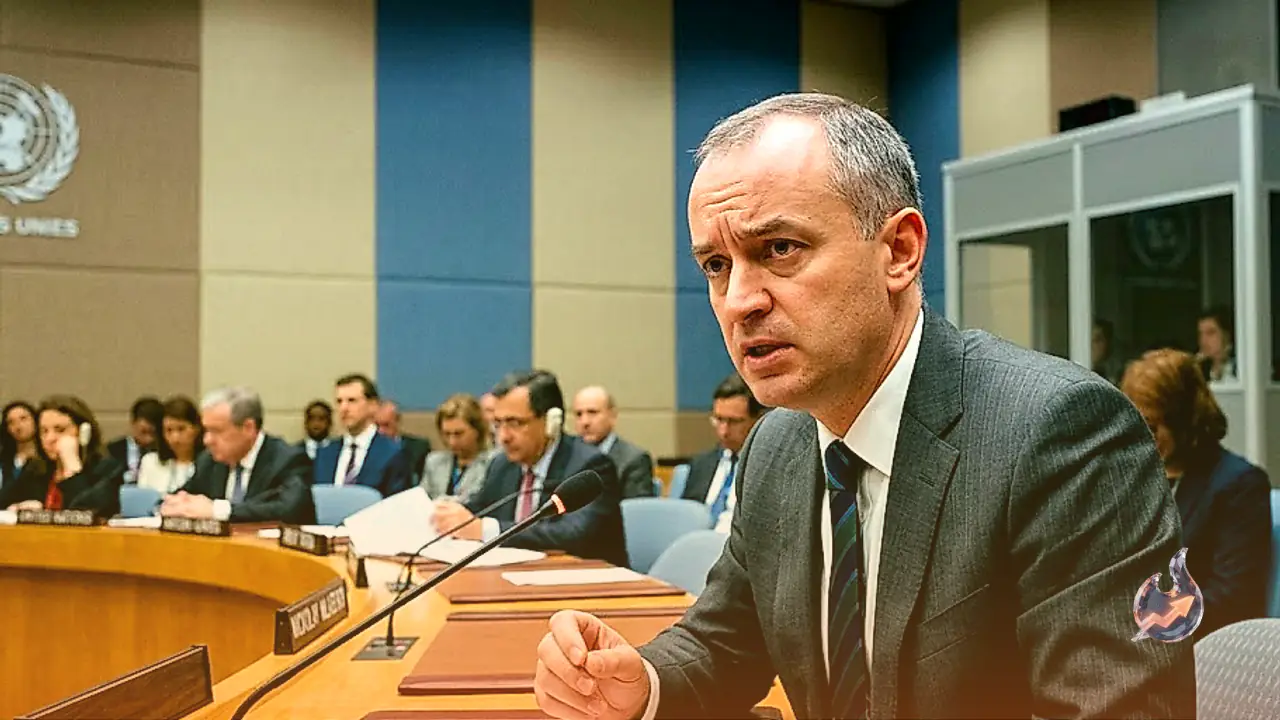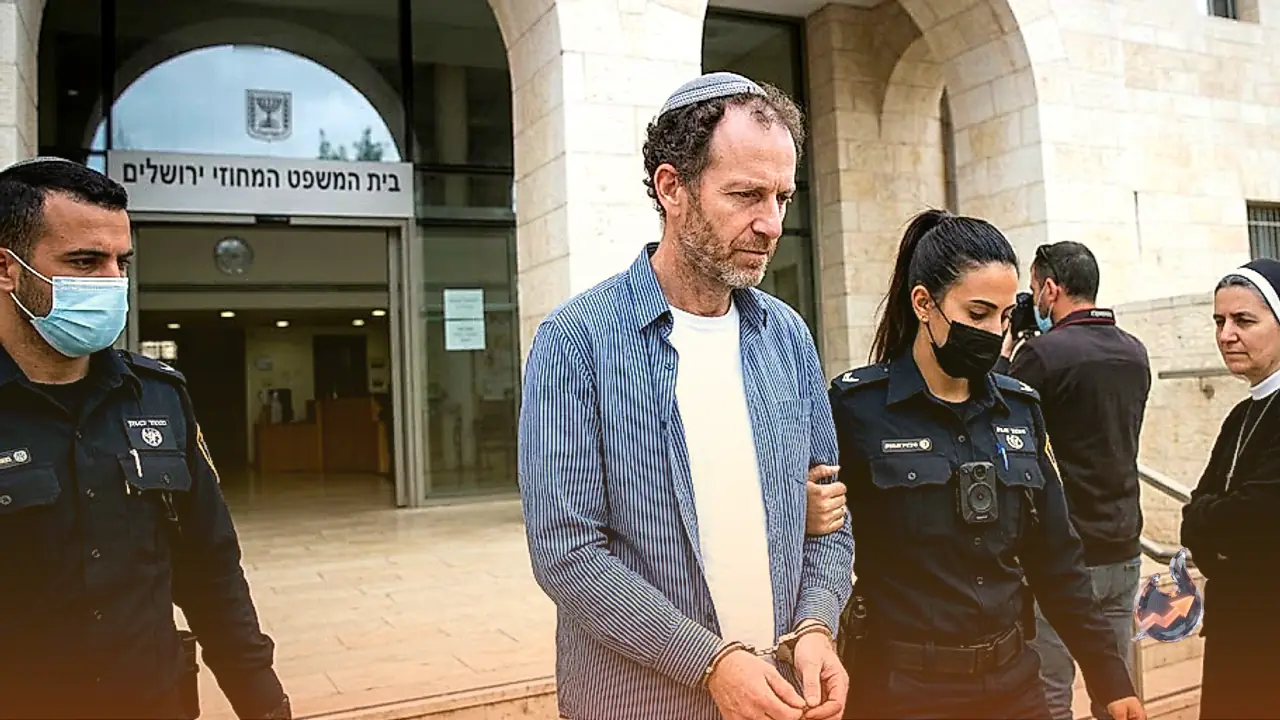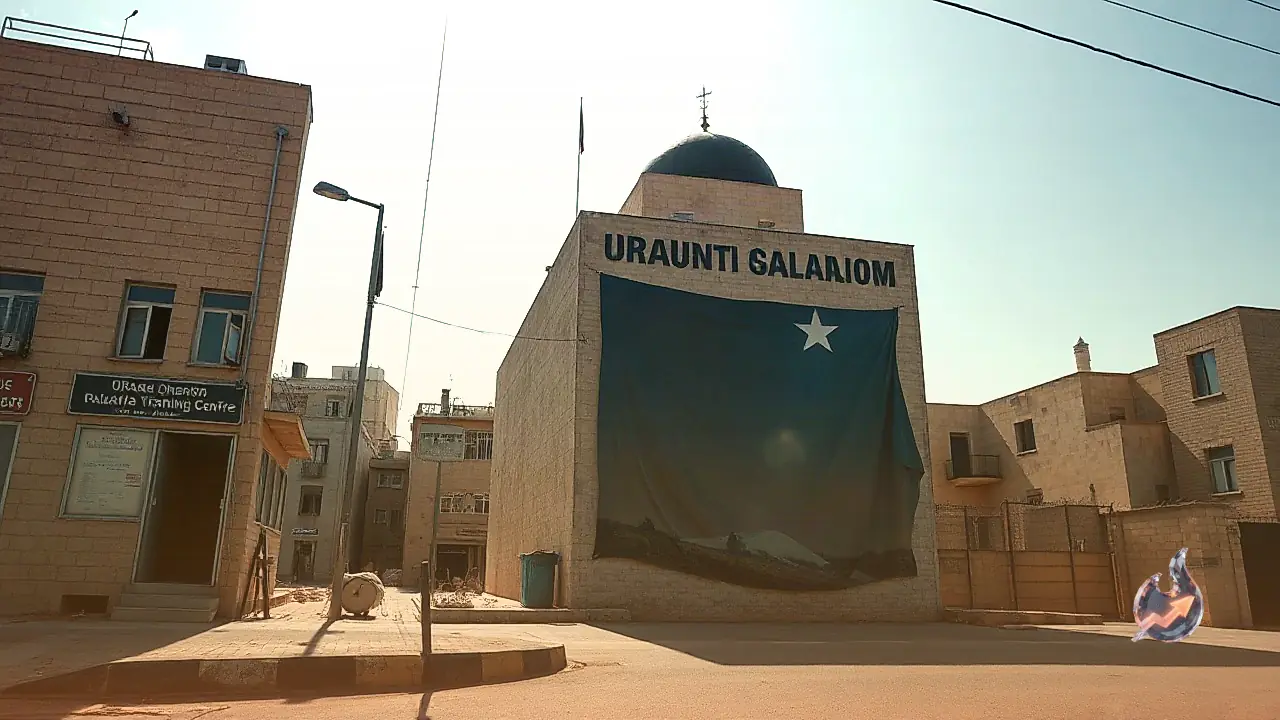






















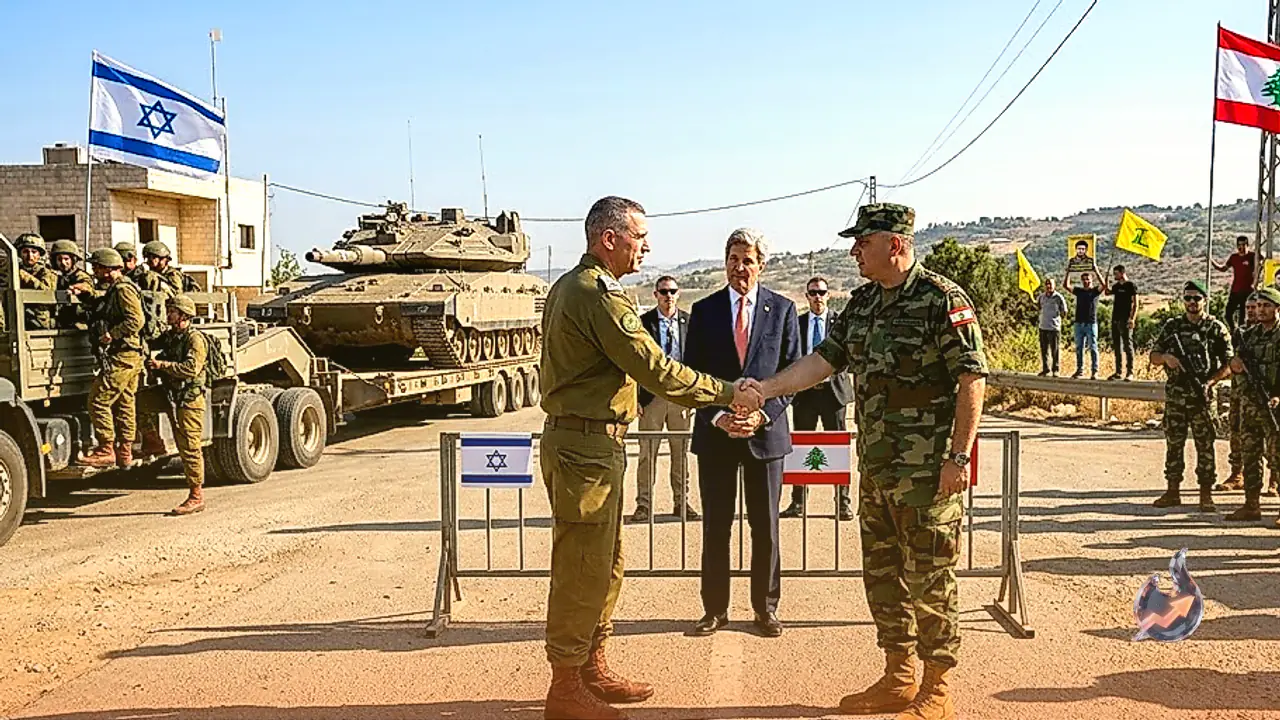

Israel and Lebanon appear to be moving closer to putting so called 'pilot zones' in place across south Lebanon, after two days of US mediated talks in Rome. Once these zones take effect, Israeli troops will pull out of them and hand over control to the Lebanese army. The US State Department said the talks between the two sides went well and that both parties have agreed on the framework and guidelines for the pilot zone process, which will be finalized and rolled out in the coming days. Neither the Israeli nor the Lebanese government has issued an official statement on the outcome of the Rome talks so far. For the two governments, putting a written framework and clear guidelines on paper is itself a notable step, since the effort to set up these zones on the ground had appeared stuck for some time before this week's meetings in Rome.
How the Israel-Hezbollah war broke out in the first place
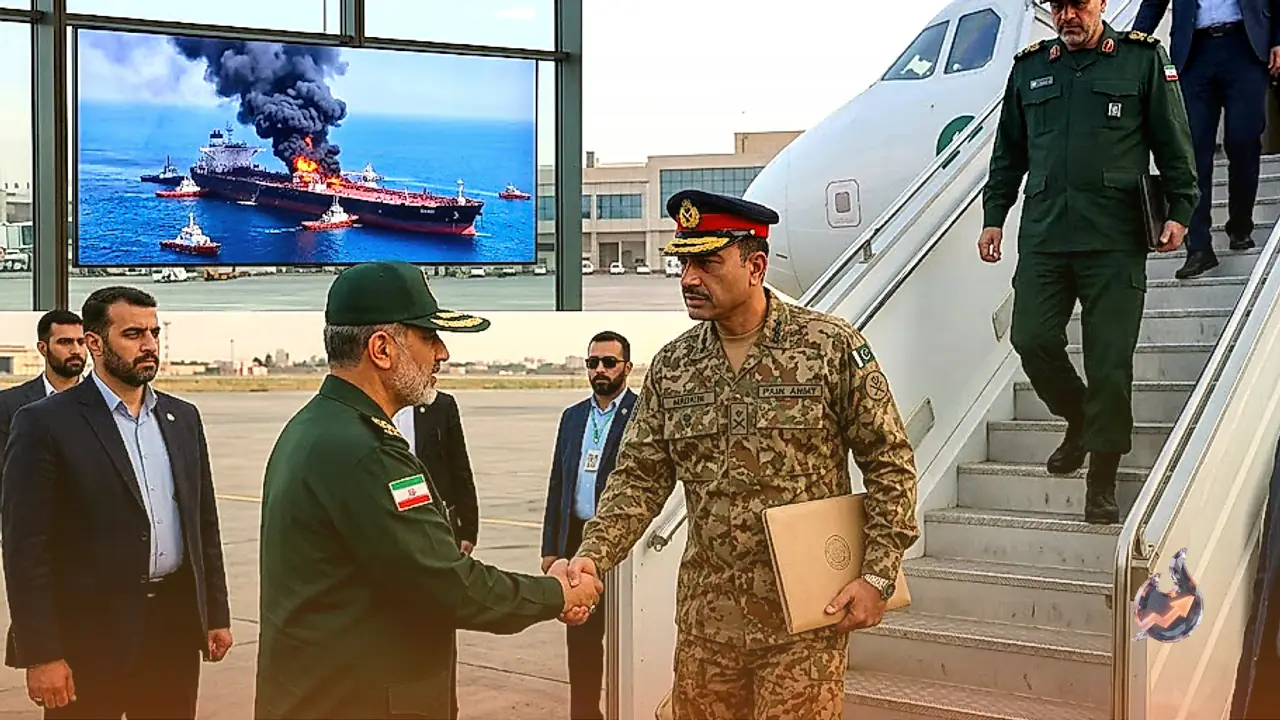
To understand what is happening now, it helps to look back at how this conflict started. The recent fighting between Israel and the Lebanon based armed group Hezbollah began when Hezbollah fired rockets into Israel. That happened just days after Israel and the United States struck Iran on February 28. Israel hit back at Hezbollah in response and then pushed into southern Lebanon, seizing a large stretch of territory there. The exchange of fire added yet another flashpoint to the broader standoff between Israel and Iran, arriving just after the February 28 strikes on Iranian targets, and it pulled the Lebanon-Israel border once again into the centre of regional tensions. Hezbollah has consistently opposed direct talks between Lebanon and Israel, but that opposition has not stopped the negotiation process from moving forward.
A framework deal in June, now the pilot zones take shape
On June 26, Lebanon and Israel announced a 'framework agreement'. Under this deal, the Iran backed Hezbollah is expected to give up its weapons in exchange for a full Israeli military withdrawal from south Lebanon. The plan is set to begin with the creation of two pilot zones, where Israeli forces will hand over the territory they hold to the Lebanese army, after which the Lebanese military will take on the task of ending Hezbollah's presence in that area entirely. In practical terms, that would mean Israeli units currently stationed in these zones stepping back first, with Lebanese army units then moving in to take charge of security in areas that have remained under Israeli military control since the fighting. However, the on ground work to implement this plan had stalled even before this week's talks in Rome, and the latest round of discussions is an attempt to get it moving again.
Where exactly will the two pilot zones be? Still unclear
Lebanese President Joseph Aoun, who is due to travel to the United States on July 21, said in a statement ahead of the Rome talks that the Lebanese delegation had been instructed to demand the immediate withdrawal of Israeli forces from the two pilot zones before agreeing to move ahead with any further discussion. So far, there has been no official word on exactly where in southern Lebanon these two pilot zones will be located. Israeli and Lebanese officials had earlier indicated that they could include the towns of Ghandouriyeh, Jawater and Froun.
A dispute over how big the zones should be
The selection of the zones itself became a point of friction between the two sides. Most of the areas initially picked for the pilot zones did not actually have Israeli troops stationed in them, which raised the question of what a withdrawal would even mean in those areas. The Lebanese army has argued that the pilot zones need to be larger and should include more of the territory that Israeli forces genuinely occupy, so that any pullback carries real weight on the ground.
Hezbollah refuses to disarm, Israel not ready to pull back either
The US State Department said that once the pilot zones are implemented, the next step will be to launch further technical talks aimed at reaching a full agreement between Israel and Lebanon. But Hezbollah has made clear that it will not accept this agreement and has no intention of laying down its weapons. Israeli officials, for their part, have publicly said they are planning to maintain their presence in south Lebanon for an extended period. In other words, the situation on the ground remains far more complicated than it looks on paper.
Trump says the real challenge is Iran, not Lebanon
US President Donald Trump has repeatedly said that Israel should withdraw its forces from Lebanon and southern Syria and redeploy them elsewhere. Trump has also advised Israel that it should focus its energy and strength on bigger challenges, and according to him, the biggest challenge is Iran, not Lebanon.
Trump's push to bring Syrian forces into Lebanon
During the recent NATO summit, and before that at the G7 summit, Trump met Syrian President Ahmed al-Sharaa. In that meeting, Trump once again repeated his proposal to send Syrian forces into Lebanon to deal with Hezbollah. Trump went as far as saying that al-Sharaa would do a far better job at this than Israel would. The remark makes clear that the United States is not looking to resolve this issue between just Israel and Lebanon, but is instead trying to work it out through the wider regional balance of power.
What the overall picture looks like
Taken together, the picture that is emerging is of a process moving forward on the diplomatic track in Rome even as real disagreements persist on the ground, over exactly where the two pilot zones should be located, over whether Hezbollah will ever agree to hand over its weapons, and over how long Israeli forces intend to stay inside south Lebanon. Washington's own approach, meanwhile, appears to stretch well beyond just Israel and Lebanon, tying the outcome of this dispute to its wider dealings with both Iran and Syria.