





















The fragile ceasefire the United States and Iran signed in June is under fresh strain this week after gunfire struck three commercial tankers, and Washington is now demanding that Tehran publicly declare the Strait of Hormuz open and promise to never again fire on merchant shipping.
Where the conflict began
The war traces back to 28 February, when US and Israeli strikes on Iran prompted Tehran to hit back, attacking Israel as well as US targets and allied interests across the Gulf. After months of fighting, the two sides signed a ceasefire agreement in June. Part of that deal committed Iran to giving safe passage to commercial vessels. That commitment is now the point of dispute.
Three tankers, one dangerous week
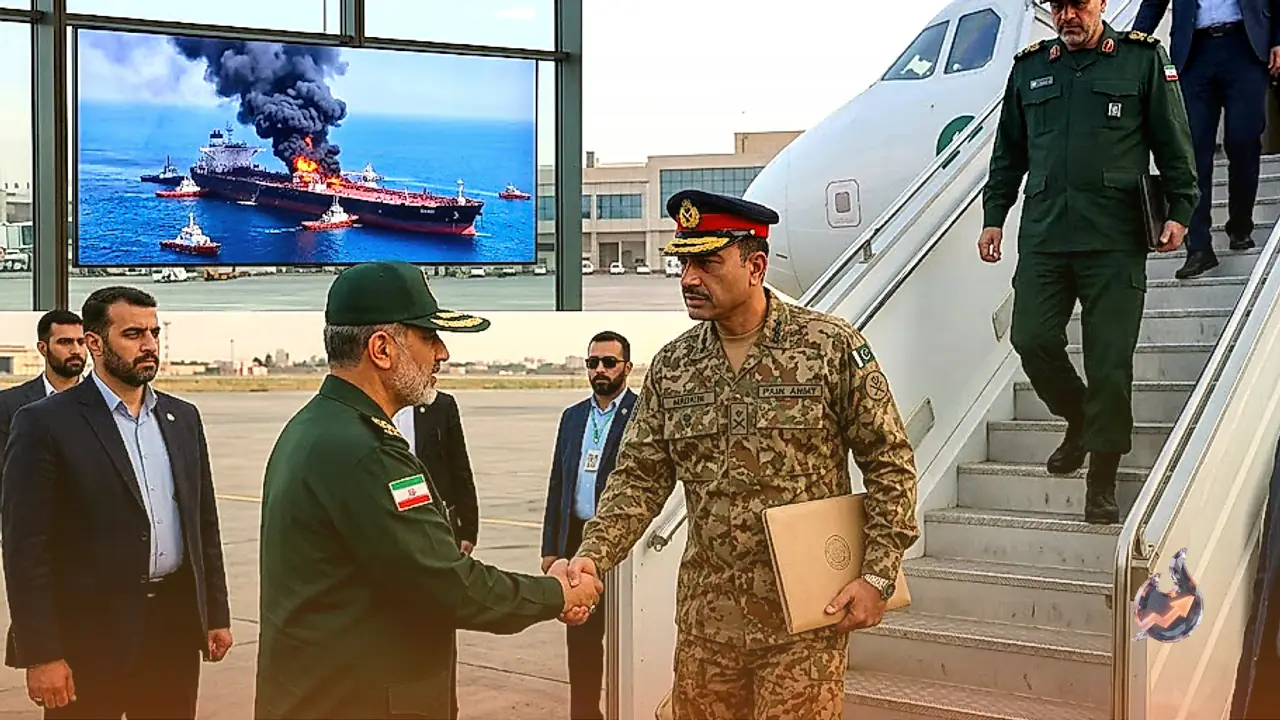
Earlier this week, three ships were struck while using a route through Omani waters that the US itself recommends. It marks the worst exchange of fire between the US and Iran since the interim deal was signed in June. Iran has repeatedly insisted the only "safe" passage for shipping is a separate route through its own waters. Under the terms of the US-Iran memorandum of understanding, Iran and Oman are required to hold talks with other Gulf states "to define the future administration and maritime services" in the strait. Iran has also suggested that ships should have to pay to pass through Hormuz, while the US insists navigation through the waterway must remain free.
Washington's ultimatum
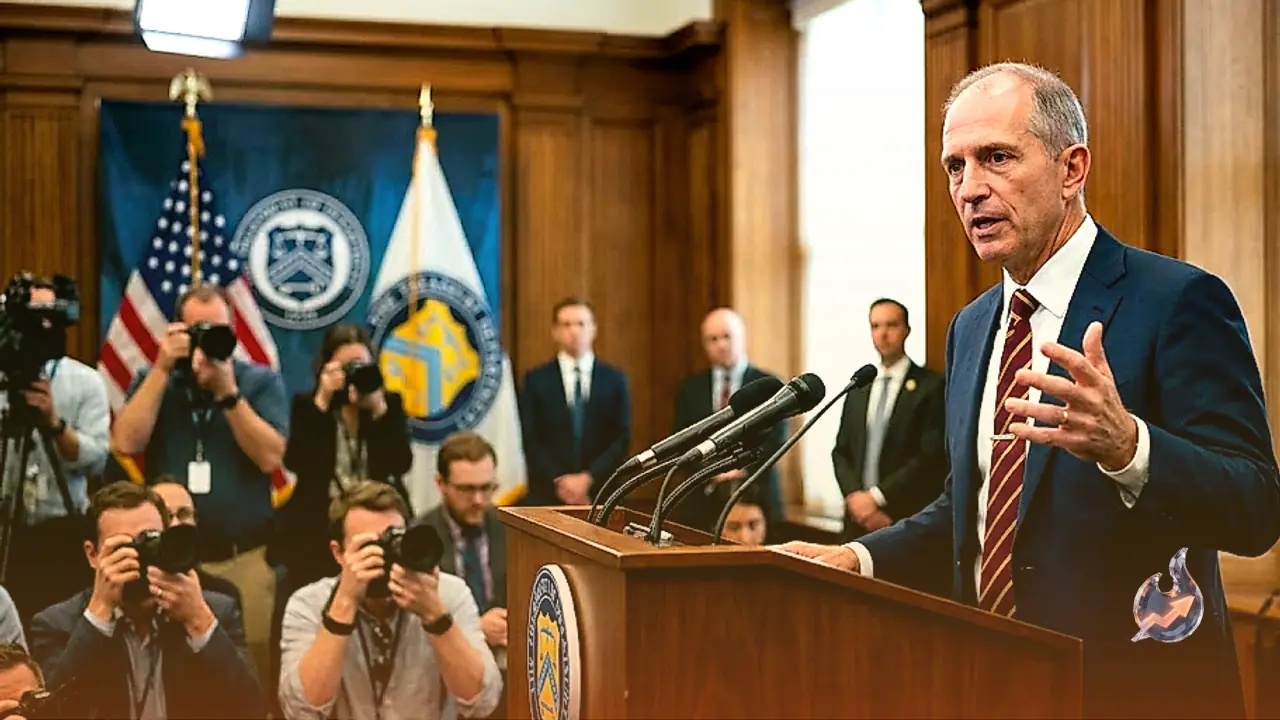
In a briefing for reporters on Friday, US officials said a message had been conveyed to Tehran's leadership through regional mediators, demanding that Iran release a statement declaring the Strait of Hormuz open and pledging to stop shooting at commercial ships. "They're either going to give us that statement or we're not having a good outcome for them," one official said. The White House also wants Iran to publicly acknowledge that firing on the shipping was a mistake.
A quiet admission behind the scenes
Away from the public statements, Tehran privately acknowledged to Trump's advisers that the recent shooting at ships was a mistake, senior US officials said, blaming an "errant" sect of hardliners who were trying to undermine the negotiations. One official described the exchange: "They [the Iranians] came back to the table and said, 'We screwed up. We made a mistake. Let's keep talking.'"
Diplomats converge on Oman
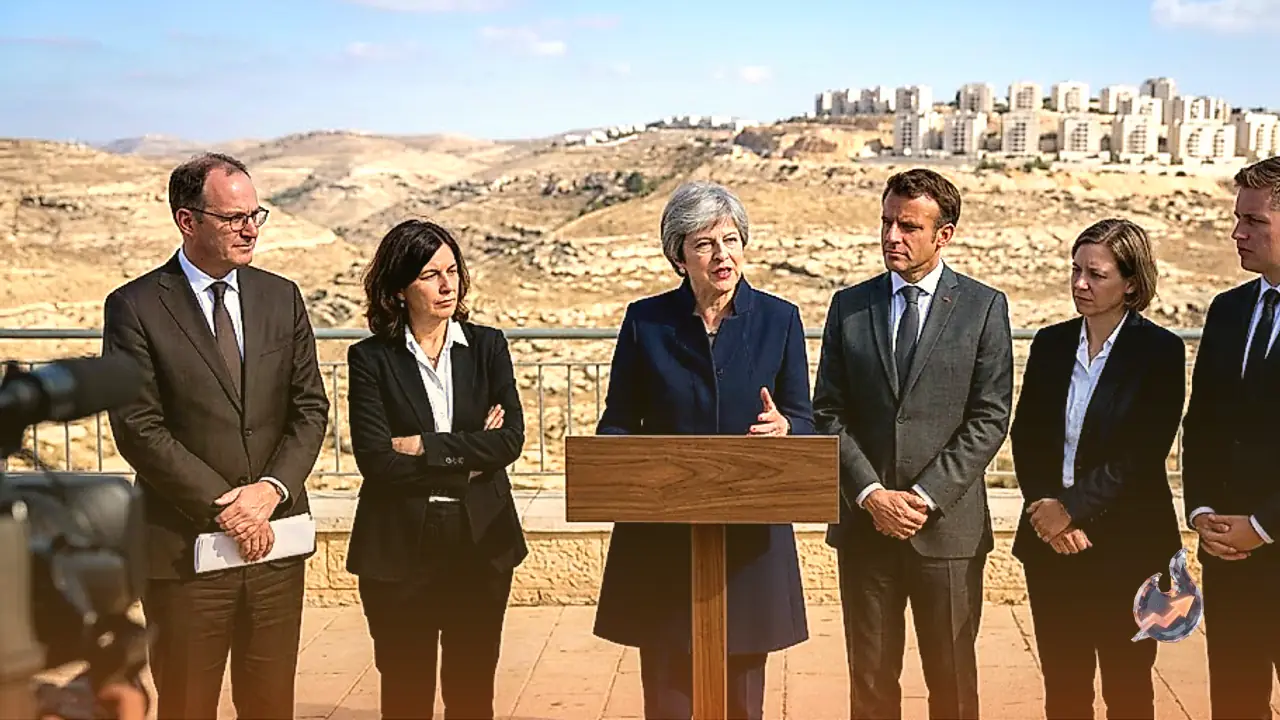
Vice-President JD Vance, Secretary of State Marco Rubio, and special US envoys Steve Witkoff and Jared Kushner, who is Trump's son-in-law, are expected to arrive in Oman later on Saturday. Iranian Foreign Minister Abbas Araghchi is also in the Gulf Arab state for talks with Omani officials. During previous rounds of negotiation, the US and Iran have relied on indirect talks through Pakistani or Qatari mediators rather than meeting face to face. Separately, a delegation from Qatar travelled to Iran on Friday for talks aimed at defusing tensions and easing navigation through the Strait of Hormuz, the vital waterway through which roughly 20% of the world's oil and liquefied natural gas passes.
Ceasefire over, but talks continue
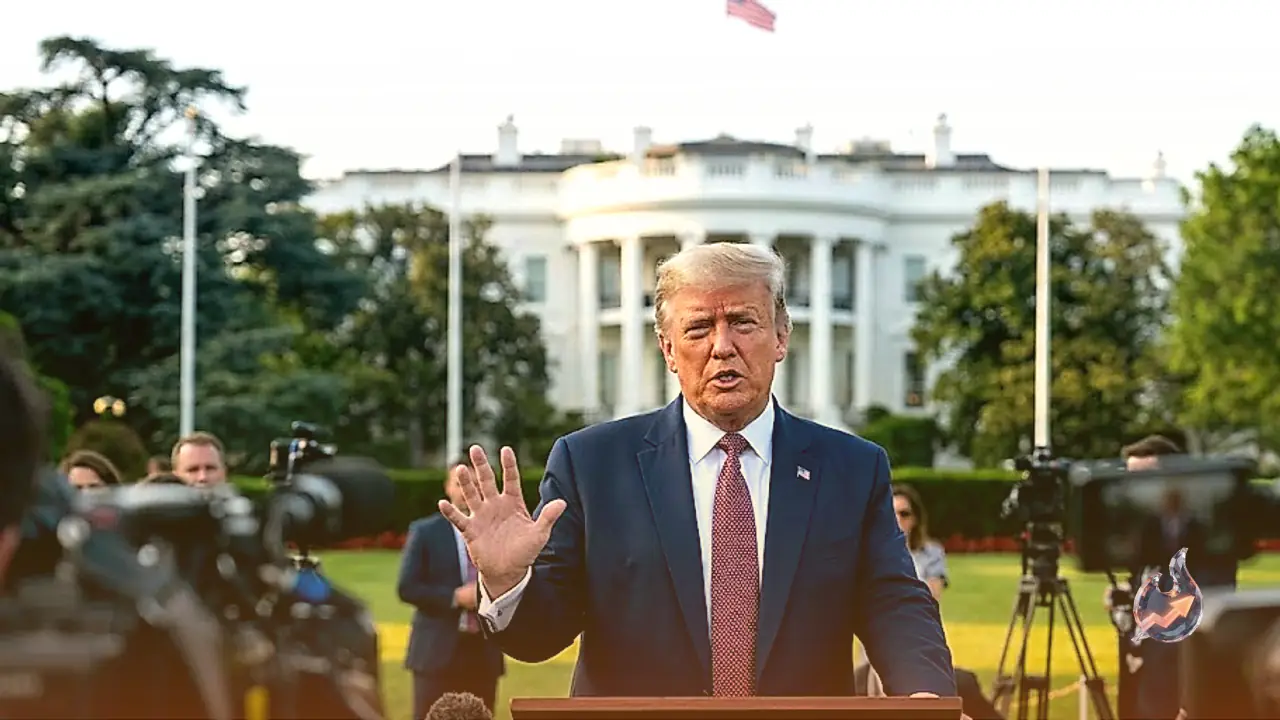
Trump has said the Iranian attacks mean the ceasefire is over, though talks aimed at ending the war would continue. Iranian Foreign Minister Abbas Araghchi has accused the US of violating the deal. Writing on Truth Social on Friday, Trump said: "The Islamic Republic of Iran has asked us to continue 'talks.' We have agreed to do so, but the United States has stated to them, in no uncertain terms, that the Cease Fire is OVER!"
Assassination claims raise the temperature
In the early hours of Saturday, Trump also responded to reports that Iran had plans to assassinate him, warning that the US would "completely decimate and destroy all areas" of the country in retaliation for such an attack. US media reported this week that Israel had shared intelligence with Washington indicating Iran had recently devised a plan to assassinate the US president. Trump denied that Tehran had made a fresh plan or that Israel was the source of any intelligence. In an interview, he said he had been "No. 1 [on Iran's kill list] for a long time."
A warning from the next generation
On Saturday, Mojtaba Khamenei, described as his son and successor, released a written message stating that vengeance for his father's killing was "inevitable." The message read: "The matter depends neither on my personal existence nor on that of other officials. Whether we are present or not, it will come to pass."
Taken together, the picture is one of a ceasefire hanging by a thread: Washington wants a written, public commitment from Tehran, diplomats are shuttling between Oman and Qatar to keep talks alive, yet assassination claims and vows of vengeance suggest the standoff is far from resolved.