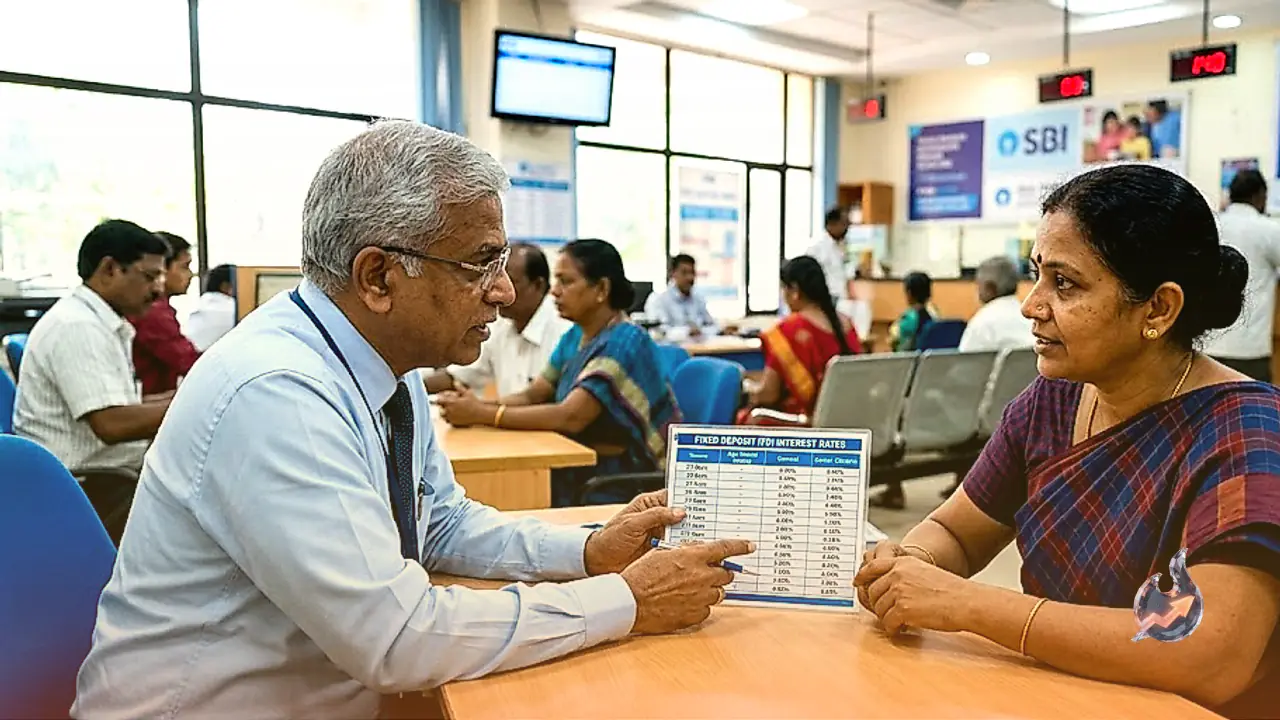
























Central government employees are closely watching developments regarding the 8th Pay Commission, which could bring significant financial gains if implemented with a retrospective effective date. Employees spanning pay matrix levels 4 through 7 stand to receive substantial arrears depending on their current basic pay, the final fitment factor chosen by authorities, and the duration between the effective implementation date and actual disbursement.
Awaiting Official Fitment Factor Announcements
Authorities have not yet released the definitive fitment factor for the upcoming pay commission structure. Consequently, all figures currently circulating remain purely estimates derived from assumed multipliers rather than confirmed payouts. Employees must treat these calculations as illustrative scenarios until formal notifications provide clarity.
Historical precedents show that pay commission revisions frequently take effect from a date prior to the actual distribution of revised salaries. The previous 7th Pay Commission, for instance, became effective from January 1, 2016, although disbursal occurred at a later date. Should a similar timeline apply this time, personnel would collect arrears covering the interim period.
Calculation Mechanics and Assumptions
The foundational math relies on the variance between an individual's existing basic pay and their newly computed basic pay. The existing figure is multiplied by the approved fitment factor to establish the revised basic pay, and that incremental difference is subsequently multiplied by the total number of unpaid months.
Analyses typically model a 20-month delay alongside four prospective fitment factors set at 2.00, 2.15, 2.28, and 2.57. These parameters remain strictly hypothetical because official notifications regarding the final multiplier are still pending.
At Pay Matrix Level 4, where basic pay sits at Rs 25,500, projected arrears over a 20-month span approximate Rs 5.10 lakh using a 2.00 multiplier. That total could climb to roughly Rs 8.01 lakh should a 2.57 factor ultimately apply.
For Level 5 staff holding a basic pay of Rs 29,100, estimated payouts range from Rs 5.82 lakh under the lowest modeled factor up to approximately Rs 9.14 lakh under the highest factor. Level 6 employees with a basic pay of Rs 35,400 would see around Rs 7.08 lakh at a 2.00 multiplier, rising to about Rs 11.12 lakh at a 2.57 multiplier.
Personnel at Level 7 with a basic pay of Rs 44,900 could anticipate arrears near Rs 8.98 lakh with the 2.00 factor, scaling up to nearly Rs 14.10 lakh if authorities select the 2.57 factor.
The chosen fitment factor remains the primary driver of revised earnings and potential back-pay totals. A higher multiplier expands basic pay increases, multiplying the financial impact over extended waiting periods. For instance, a Level 6 earner with a basic pay of Rs 35,400 gains Rs 35,400 under a 2.00 factor versus Rs 55,578 under a 2.57 factor, creating a wide divergence over 20 months.
Component Treatment and Allowances
Employees should note that total monthly compensation packages are not simply multiplied wholesale by the fitment factor. Calculations focus strictly on basic pay, whereas allowances such as Dearness Allowance, House Rent Allowance, and Transport Allowance follow distinct administrative rules.
Dearness Allowance adjusts periodically based on inflation metrics and may not align with standard basic pay arrear structures across the entire waiting span. House Rent Allowance remains tied to basic pay brackets and city classifications, while transport allowances are governed by separate regulatory provisions.