






















Air pollution remains a persistent and hazardous public health challenge for residents across Delhi and the wider National Capital Region. Toxic atmospheric conditions laden with fine particulate matter and gaseous pollutants place immense stress on the human respiratory system. Vulnerable demographics, particularly young children, senior citizens, and individuals with chronic medical histories, face a heightened risk of health deterioration during prolonged spells of severe smog. In many instances, sudden flare-ups of breathlessness, persistent coughing, and acute chest irritation escalate beyond home management, requiring specialised clinical consultations, diagnostic imaging, and emergency hospital admissions. These unanticipated medical interventions can quickly deplete household savings, making an active health insurance policy a crucial financial buffer. However, considerable confusion persists among policyholders regarding the extent to which standard insurance covers pollution-induced respiratory illnesses.
The Core Structure of Respiratory Health Coverage
Insurance payouts for lung diseases depend entirely on the specific category of insurance purchased, the nature of medical intervention required, and the detailed underwriting clauses embedded within the policy contract. A conventional indemnity-based health insurance policy is structured primarily to absorb expenses linked to active inpatient hospitalisation. When toxic air triggers severe respiratory distress necessitating formal admission into a medical facility for at least twenty-four hours, the insurer generally evaluates the claim against eligible hospitalisation benefits. Conversely, routine clinic visits, diagnostic spirometry tests, and ongoing chemist bills for preventative inhalers are treated under completely different contractual terms. Similarly, a critical illness insurance plan functions under distinct parameters, paying out exclusively when a pre-listed, life-threatening organ condition is formally diagnosed under rigorous medical criteria.
Inpatient Expenses Typically Covered by Health Policies
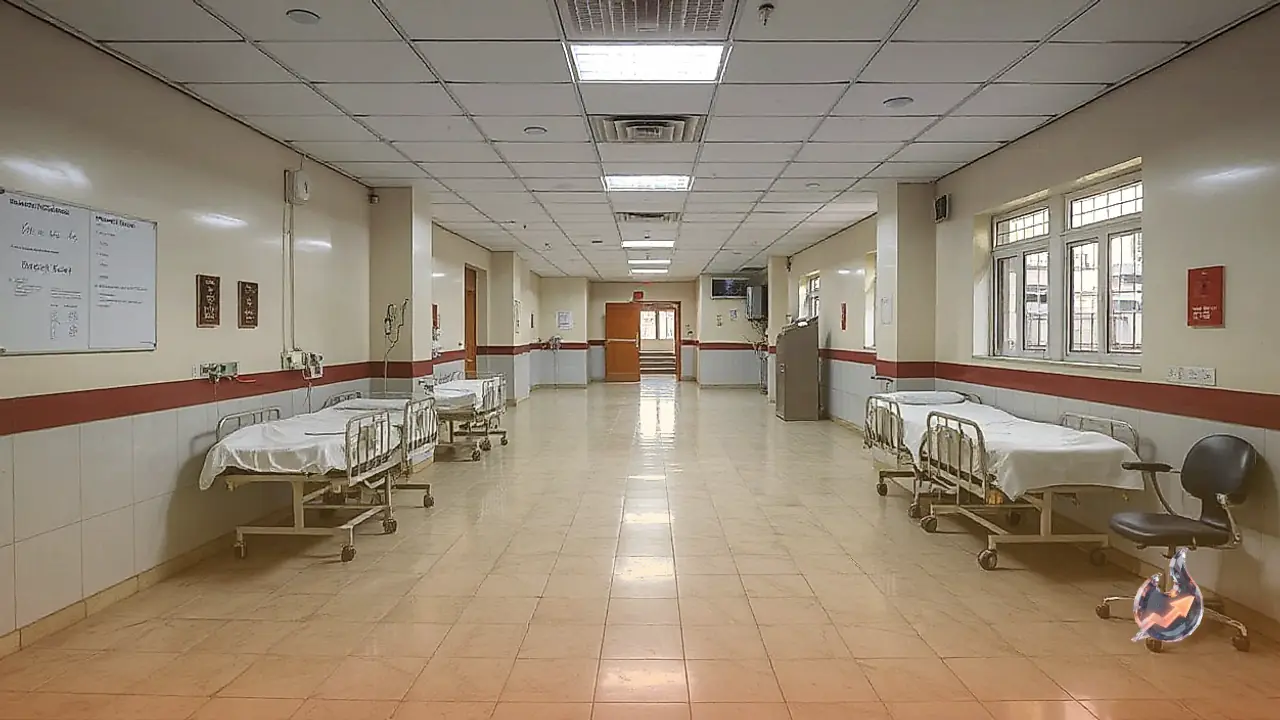
When atmospheric exposure leads to an acute respiratory crisis that warrants formal hospital admission, a standard health insurance plan comes into effect to offset qualified medical bills. If an attending physician determines that admission is medically indispensable to stabilise the patient, the insurer reviews costs based on the schedule of benefits outlined in the contract. Under eligible inpatient claims, standard coverage usually extends to room rent and corresponding nursing fees up to the sub-limits defined in the policy schedule. It also encompasses medically essential diagnostic investigations performed during the admission, such as arterial blood gas tests, chest radiographs, and high-resolution computed tomography scans.
Furthermore, medications, intravenous antibiotics, bronchodilators, and nebulisation therapies administered throughout the inpatient stay are admissible for reimbursement or cashless settlement. In acute episodes where a patient develops acute respiratory distress and requires admission to an intensive care unit, the high costs of ICU monitoring, ventilator support, and critical life-support apparatus are covered, subject to medical necessity guidelines. Standard products also typically extend coverage to pre-hospitalisation diagnostic expenses incurred shortly before admission, alongside post-hospitalisation follow-up medications and check-ups for a defined timeline. Even with extensive coverage, policyholders must account for internal caps, mandatory co-payment provisions, and non-medical item deductions that influence the net settlement amount.
Coverage Parameters for Specific Lung Conditions
The impact of severe air pollution manifests across several clinical conditions, each governed by specific insurance assessment guidelines
- Asthma Complications: Highly contaminated air frequently triggers bronchial spasms, wheezing, and profound respiratory restriction in asthmatic individuals. If an attack progresses into acute severe asthma requiring urgent hospitalisation and continuous medical monitoring, the associated inpatient charges are generally covered by standard insurance. However, the recurring cost of maintenance inhalers, daily anti-inflammatory drugs, and periodic consultations with a pulmonologist remain excluded unless explicit outpatient riders are active.
- Acute and Chronic Bronchitis: Severe inflammation of the bronchial airways caused by heavy particulate exposure can result in debilitating cough and breathing difficulty. Where clinical severity mandates hospital bed admission and parenteral medication, the financial liability is admissible under standard hospitalisation plans. Mild or moderate presentations handled entirely through clinic visits and oral prescriptions do not trigger benefits under basic inpatient policies.
- Chronic Obstructive Pulmonary Disease (COPD): Patients battling chronic progressive lung conditions require continuous symptom control and face high risks of acute exacerbation during periods of hazardous air quality. Inpatient flare-ups are eligible for claim settlement, but coverage remains subject to whether the disease was diagnosed before policy inception. Pre-existing COPD diagnoses are governed by mandatory waiting periods and specific underwriting restrictions.
- Pneumonia and Pulmonary Infections: Inhaling contaminated air impairs respiratory defence mechanisms, increasing susceptibility to severe bacterial or viral infections. Hospitalisation for pneumonia is payable according to standard policy conditions. It is important to note that the presence of atmospheric pollution does not alter claim evaluation; the medical diagnosis, formal admission necessity, and policy exclusions serve as the sole criteria for claim approval.
Hospitalisation Versus Outpatient Care Discrepancies
One of the most significant misunderstandings among policyholders in metropolitan centres like Delhi involves the distinction between hospitalisation benefits and outpatient department (OPD) coverage. The vast majority of standard retail health policies are engineered strictly around hospital bed occupancy. Consequently, outpatient visits to general practitioners for persistent dry coughs, routine pulmonology assessments, and recurring purchases of respiratory inhalers must be funded out of pocket unless specialised outpatient riders have been procured. Outpatient add-on covers, where available, reimburse specific medical consultations, pharmacy expenses, and diagnostic tests up to strictly pre-defined financial ceilings.
Before settling on a health insurance policy, buyers must thoroughly review the policy wording to identify whether outpatient benefits are included. Critical components to verify include coverage for pulmonary function evaluations, outpatient prescription drugs, follow-up specialist consultations after discharge, and the exact time windows applicable to pre- and post-hospitalisation expenses. A plan that advertises comprehensive hospitalisation does not automatically cover ambulatory respiratory care.
The Critical Role of Pre-Existing Conditions and Waiting Periods
Disclosing pre-existing respiratory ailments during the insurance application stage is paramount for smooth claim resolution. If an applicant has already received a clinical diagnosis of asthma, chronic bronchitis, COPD, or related pulmonary conditions prior to purchasing the policy, the insurer evaluates the elevated risk profile during the underwriting assessment. This assessment typically leads to the imposition of a pre-existing disease waiting period, during which claims arising from that specific condition and its direct complications will not be honoured.
Waiting periods vary significantly across products and providers. Attempting to purchase a health policy immediately after symptoms develop will not provide immediate financial relief for upcoming treatments. To avoid claim rejections, applicants must furnish an exhaustive medical history, examine the special terms stated on the policy endorsement schedule, confirm the exact duration of applicable waiting periods, and clarify how respiratory emergency hospitalisations are handled by the insurer.
Differences Between Standard Health Policies and Critical Illness Cover
Standard health insurance and critical illness insurance serve entirely different functions within personal financial planning. While standard health insurance operates on an indemnity framework to settle actual eligible hospitalisation bills, a critical illness policy provides a predefined lump-sum cash benefit upon the confirmed diagnosis of a major medical condition listed in the contract. This lump-sum payment is released independently of actual hospital bills and can be utilised for ongoing treatment, rehabilitation, or living expenses.
However, a critical illness policy does not offer broad-spectrum protection against pollution-related lung ailments. Routine respiratory complications, typical asthma flare-ups, and uncomplicated bronchitis are completely outside its purview. Critical illness coverage is limited to advanced organ pathologies, such as end-stage lung failure, and demands conclusive diagnostic verification that meets strict contractual definitions of permanent organ impairment. Furthermore, these plans incorporate distinct initial waiting periods and mandatory survival periods, requiring the policyholder to survive for a set number of days post-diagnosis before funds are released. For comprehensive personal protection, standard health insurance remains the essential primary vehicle for managing unexpected medical bills, while critical illness policies serve purely as supplementary income replacement during catastrophic health events.