


















A comprehensive framework of vehicle entry curbs and pollution-control measures takes effect across the national capital on November 1 as authorities step up interventions against deteriorating air quality. The freshly introduced measures directly impact private commuters, commercial transport operators, businesses, and interstate travellers entering Delhi from adjoining states. Winter months regularly witness a sharp downturn in air standards, prompting enforcement agencies to prevent high-emission vehicles from entering the city and worsening atmospheric conditions.
Vehicle Categories Permitted for Entry
Under the revised protocols, entry permissions have been strictly demarcated to encourage cleaner vehicle technologies and strict compliance. The Delhi Traffic Police outlined the exact operational framework through an advisory issued on October 29, specifying that access remains open only under defined legal provisions. The permitted categories comprise
- BS-VI compliant vehicles adhering to latest emission thresholds.
- Compressed Natural Gas (CNG) powered vehicles.
- All-electric vehicles (EVs).
- Vehicles covered under statutory and administrative exemptions.
Motorists operating these authorized classes will be granted entry into the capital, provided their vehicular documents remain updated and compliant with transport guidelines.
Vehicles Facing Prohibition and Access Checks
Enforcement teams are focusing specifically on vehicle types that contribute heavily to vehicular exhaust. All vehicles falling below BS-VI emission benchmarks face stringent curbs, alongside any vehicle operating without an active and valid Pollution Under Control Certificate (PUCC).
Furthermore, non-compliant interstate commercial buses and cargo carriers that lack official clearances will not be permitted entry. Agricultural tractors and unauthorized improvised transport platforms known as jugaad vehicles are also subject to this restriction net. Commercial vehicles carrying registrations from outside Delhi that fail to satisfy required norms will encounter tight border checkpoints and turnarounds.
Mandatory Rerouting for Through-Transit Freight
Commercial haulage and logistics operators must navigate substantial routing changes beginning November 1. Heavy transit trucks that are not destined for Delhi but previously traversed municipal roads as a transit corridor are barred from entering the capital.
Drivers of non-essential transit trucks must bypass the urban core by diverting onto established regional bypass networks. Authorities have directed such commercial operators to utilize the Eastern Peripheral Expressway and the Western Peripheral Expressway to complete their cross-regional journeys. This diversion strategy seeks to eliminate idle transit emissions and remove heavy congestion from the internal road network.
Fuel Dispatches Tied Directly to Valid PUCC
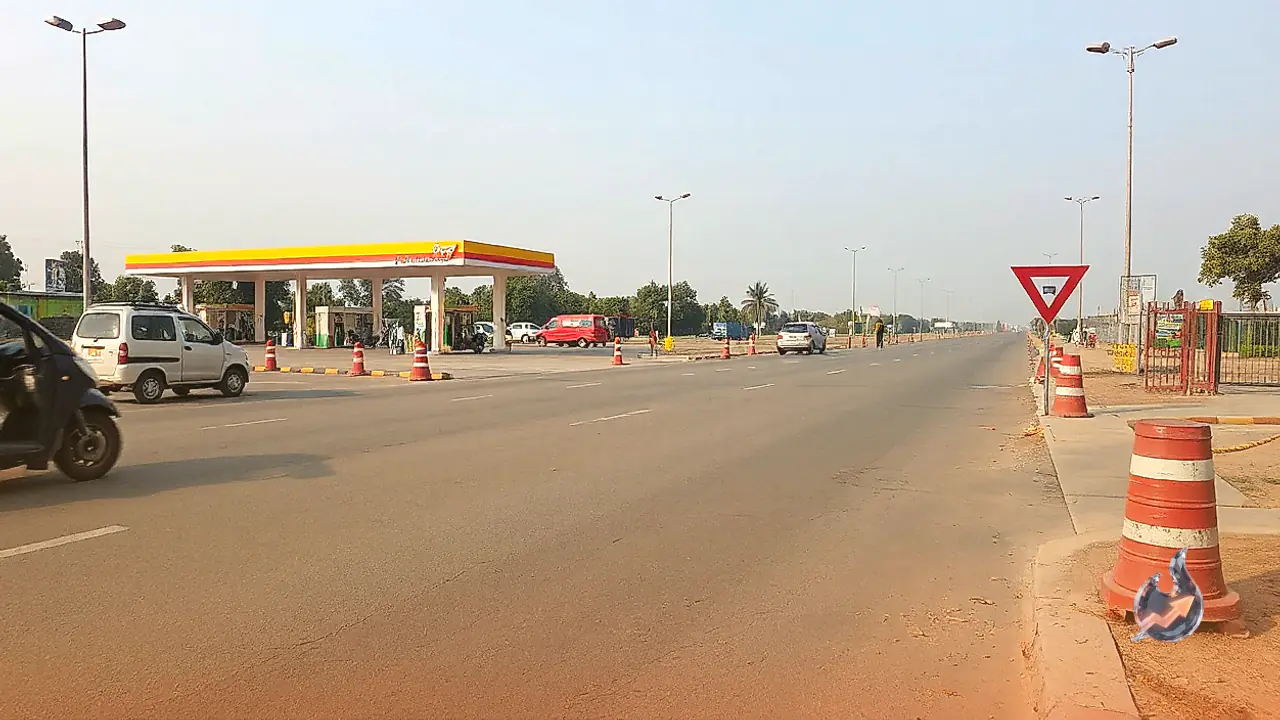
Alongside roadway access curbs, a critical enforcement intervention targets fueling points across Delhi beginning November 1. Under this regulation, fuel outlets are prohibited from dispensing fuel to any vehicle that cannot present a valid Pollution Under Control Certificate (PUCC).
This dispensing restriction covers all automotive energy types available at retail stations, including petrol, diesel, CNG, and LPG supplies. The initiative places direct compliance responsibilities on motorists, ensuring that vehicles running inside the capital maintain active certification of their tailpipe emissions at every refueling stop.