
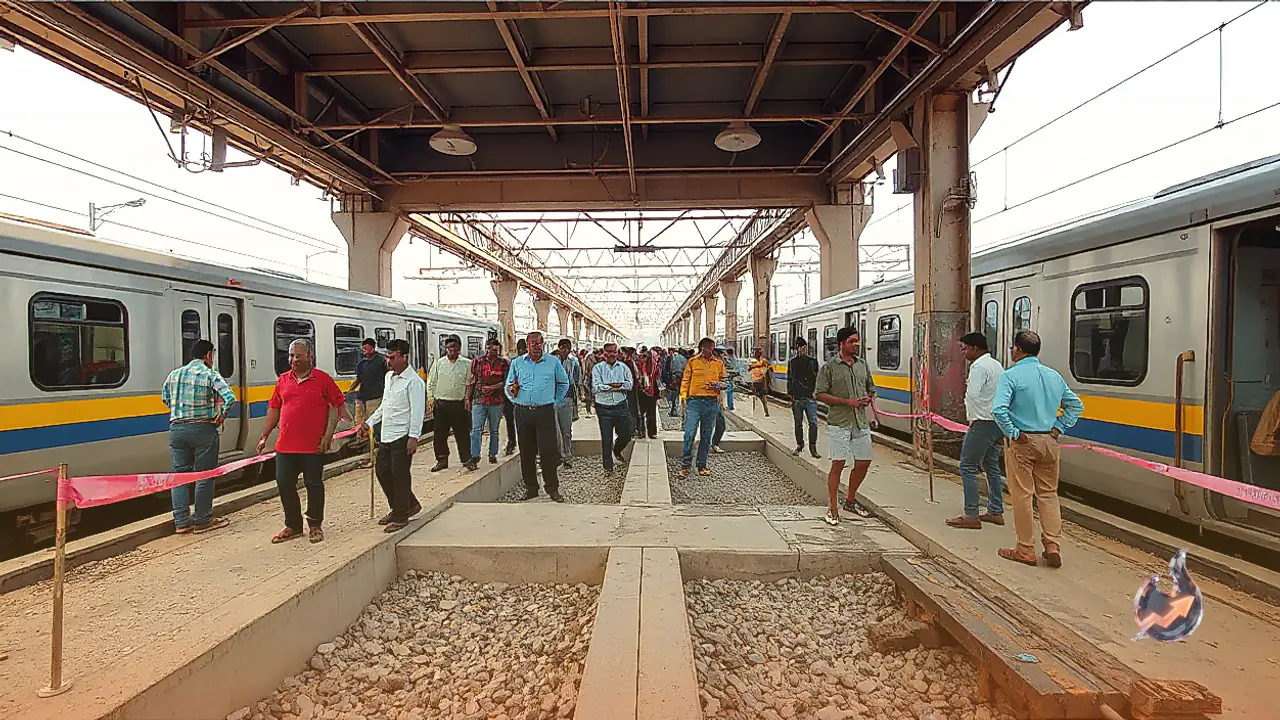














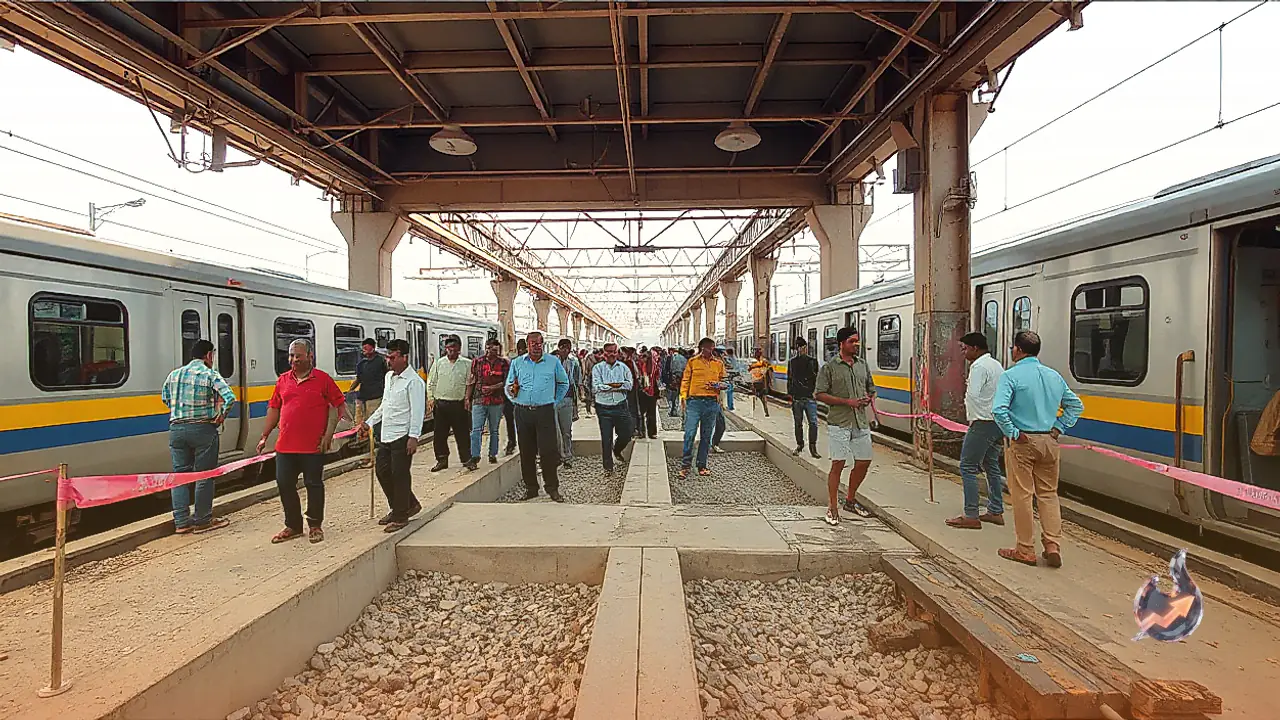

Pune received a massive upgrade to its urban transit infrastructure on Tuesday as Prime Minister Narendra Modi unveiled metro initiatives valued at approximately 21,800 crore rupees via video conferencing. The rollout included the commercial opening of the 23-kilometre Pune Metro Line-3, popularly designated as the Pink Line, alongside the foundation laying ceremony for the upcoming Phase-2 development. These sweeping expansion projects are designed to transform municipal connectivity and deliver reliable, rapid mass transit options to hundreds of thousands of daily commuters navigating the expanding city.
Pink Line Connects Hinjawadi Tech Corridor to Shivajinagar
Built with a capital expenditure exceeding 8,300 crore rupees, the newly inaugurated 23-kilometre Pink Line bridges the distance between the commercial district of Shivajinagar and the tech hub of Hinjawadi. Hinjawadi serves as Pune's primary information technology zone, drawing an enormous workforce each day that has historically contended with congested road corridors. The commencement of scheduled train operations on this stretch is set to offer immediate travel convenience to IT professionals, while bridging the physical divide between Pune's traditional core and its rapidly emerging business districts.
Phase-2 Development Backed by 13,500 Crore Rupee Investment
Alongside the operational launch of Line-3, the foundation was formally laid for Pune Metro Phase-2. This upcoming phase entails an estimated financial outlay of nearly 13,500 crore rupees. When combined with the 8,300 crore rupees deployed for the Pink Line corridor, the collective capital commitment dedicated to advancing Pune's rail transit ecosystem stands at approximately 21,800 crore rupees. The sustained investment aims to build a dense, multi-directional rapid transit grid capable of serving the city's future growth demands.
Pune as a Premier Destination for Youth Aspirations
Speaking on the occasion, Prime Minister Modi remarked that Pune has established itself as an aspirational city for India's youth across key industries, including IT, automotive engineering, pharmaceuticals, startups, and advanced manufacturing. He emphasized that strengthening intra-city metro links provides vital momentum to Pune's forward economic trajectory. According to him, modern cities are no longer evaluated merely by their industrial presence or culinary heritage, but by tangible markers such as ease of doing business and overall livability for residents, both of which are directly augmented by dependable mass transit.
Environmental Commitment Through 30 Percent Self-Generated Clean Energy
Highlighting the sustainable dimensions of the public transit project, Maharashtra Chief Minister Devendra Fadnavis shared that Pune Metro is designed to function as an environmentally conscious green metro network, generating 30 percent of its own electricity requirements through internal capabilities. He noted that the urban rail undertaking is setting fresh benchmarks across operational parameters, underscoring the broader impact of the day's milestone as Prime Minister Narendra Modi set Phase-2 and related urban works in motion.