
Owning a home is a cherished dream for everyone, but selecting the right property according to one's income is the most crucial step. Often, in pursuit of a larger house, people exhaust their entire savings on the down payment or take on such a heavy home loan EMI that their monthly budget collapses. Therefore, before purchasing a property, it is essential to understand what size flat suits your salary and how much of an EMI is safe to shoulder.
Choosing 1 BHK, 2 BHK, or 3 BHK Based on Income
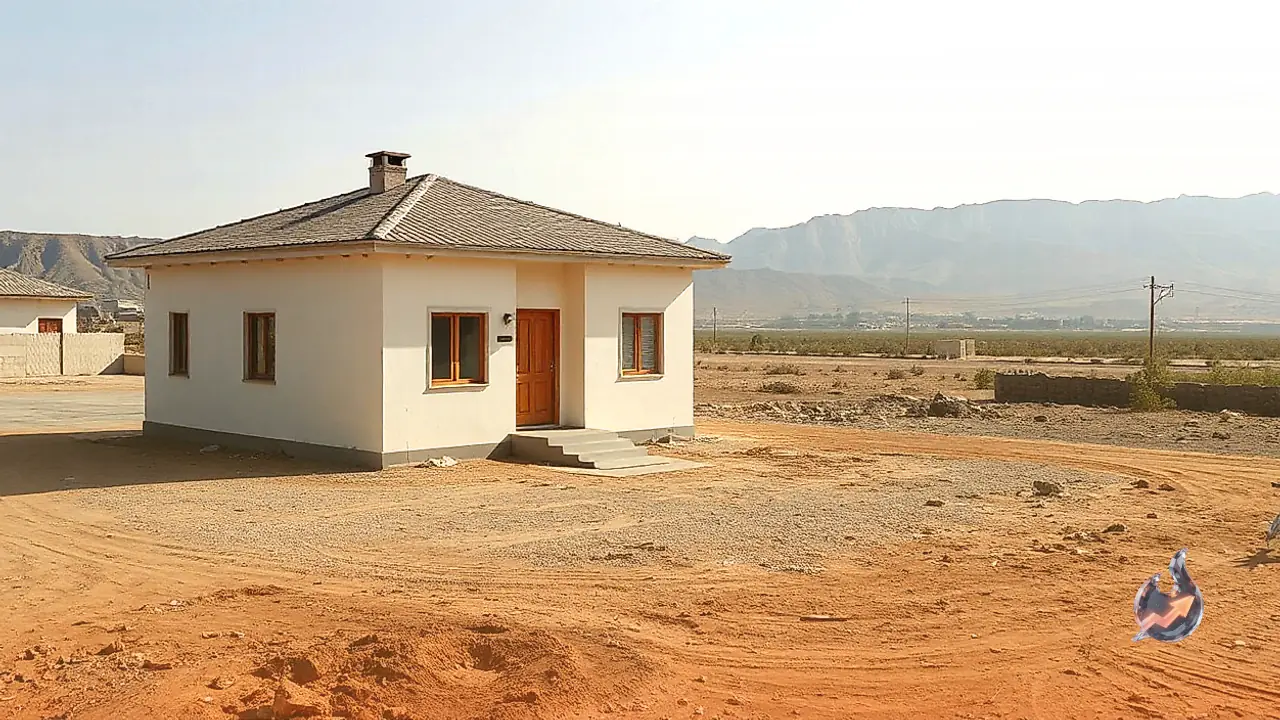
According to Akash Jindal, the decision to buy a home should be made by carefully evaluating one's income and financial standing. If an individual has a monthly salary of 50,000 rupees, they should consider purchasing a 1 BHK flat. On the other hand, if someone earns 1 lakh rupees a month, they can plan to buy a 2 BHK home. Similarly, a person earning 2 lakh rupees a month can think about investing in a 3 BHK flat based on their specific needs and budget. However, the choice of a home should not be based solely on salary. It is equally important to examine total savings, family size, and monthly household expenses. Funds for the purchase can be gathered partially from personal savings and partially through a home loan.
Balancing Your Monthly Salary and Home Loan EMI
The biggest mistake people make when taking a home loan is shouldering an EMI burden that exceeds their earning capacity. Experts advise that while securing a loan, one must consider the tenure of earnings and career stability. A person's income does not always remain constant, and regular earnings can be impacted after a certain age. Hence, it is wise to opt for a loan with an EMI that can be repaid comfortably without inviting future financial distress.
Additional Expenses Beyond Down Payment and Loan
Arranging just the down payment and loan amount is never enough when buying a house. There are several other ancillary expenses that require advance financial planning. These include property registration, transfer fees, documentation, and other statutory charges. Furthermore, moving into a new home often incurs additional costs for painting, renovation, and furniture setup.
Risks of Pouring All Savings Into the Down Payment
Many buyers invest their entire life savings into the initial down payment to secure a property. However, doing so can prove financially risky. For instance, if someone in the family falls seriously ill shortly after the purchase or another emergency arises, liquid cash becomes an absolute necessity. If all savings are locked up in bricks and mortar during such times, distress levels multiply significantly.