


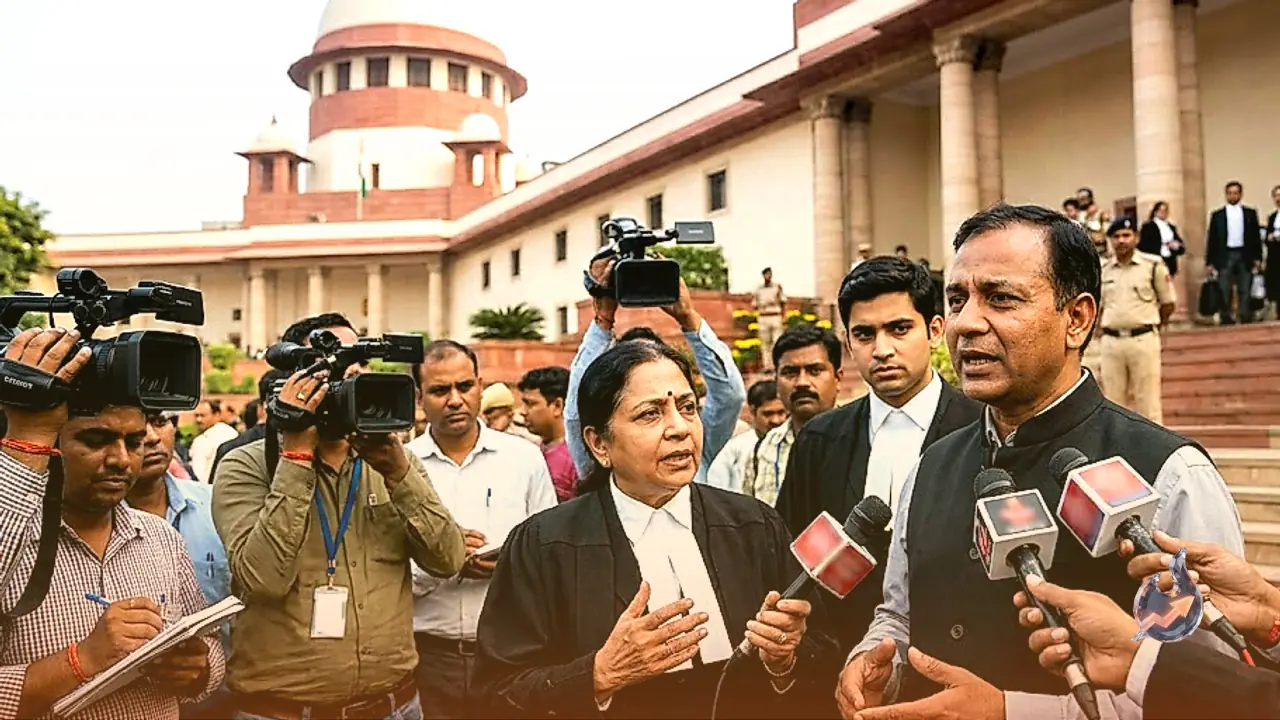



















Launching a brand new enterprise with Rs 10 lakh and no established industry contacts can appear daunting, yet access to an audience and genuine differentiation matter far more than a large capital pile. Speaking at the NDTV World Summit 2026, Zerodha co-founder Nikhil Kamath laid out a hypothetical scenario in which Zerodha vanished and he had to rebuild everything from ground zero with just Rs 10 lakh, his existing knowledge, and no network. Rather than pursuing capital-intensive ventures, his perspective points to two specific routes designed to maximize lean resources.
Building Audience and Testing Ideas Through Content Creation
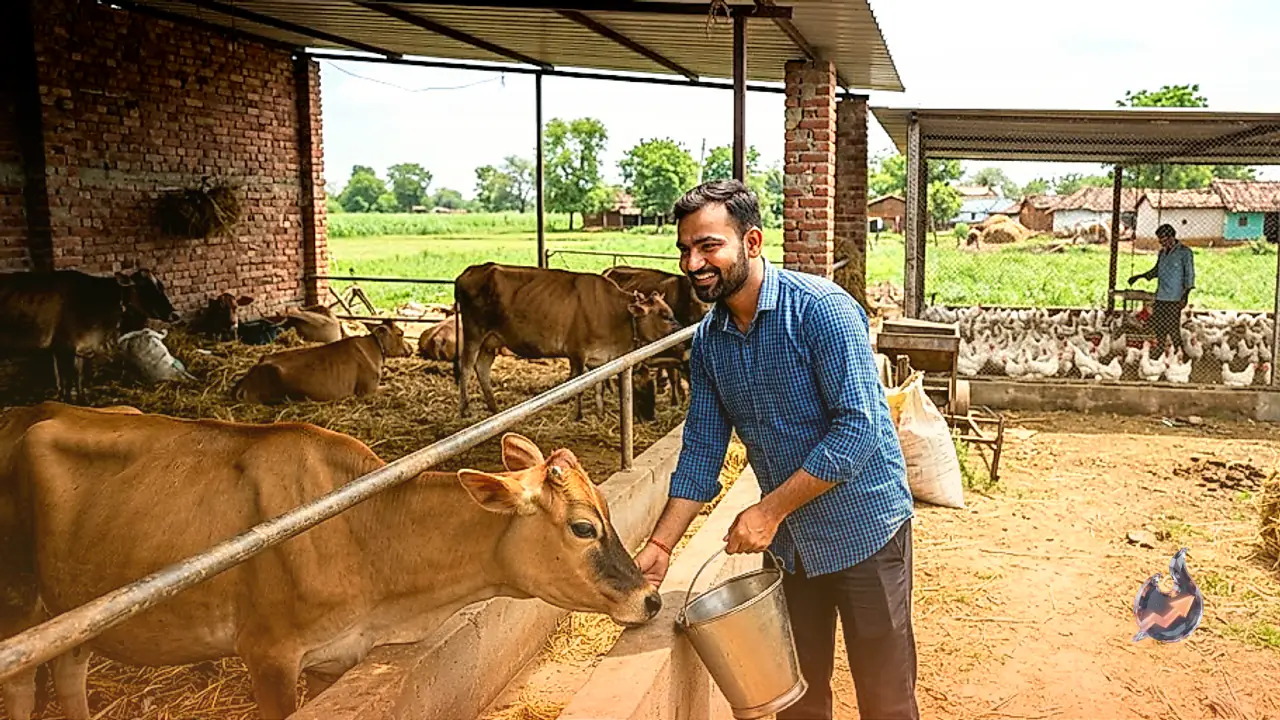
For an entrepreneur operating on limited funds, creating content offers a practical way to validate a commercial concept without spending heavily on inventory, leases, or infrastructure. A founder can begin by generating informative videos, insightful articles, or targeted social media posts centered on subjects they know thoroughly, such as personal finance, emerging technology, education, culinary arts, or specialised industry expertise. Kamath noted that producing content is an accessible pursuit with negligible upfront financial hurdles, and establishing any meaningful distribution allows an entrepreneur to layer a viable business on top.
Distribution as a Modern Competitive Advantage
Reaching prospective consumers directly has become one of the most critical defensive moats for modern businesses. Several emerging consumer brands have effectively used dedicated audiences and direct content channels to gain market share in sectors historically dominated by entrenched corporations. As production technologies and modern tools become widely commoditised, elements such as nuanced curation, distinctive taste, and proprietary distribution allow a company to stand apart from generic rivals in crowded marketplaces.
Managing Uncertain Timelines and Cash Flow Realities
Content creation does not deliver immediate or guaranteed financial stability. Amassing a loyal following requires considerable patience, and generating predictable cash flow often proves difficult during early phases. Anyone relying on personal reserves to cover basic living costs must carefully factor in this volatility before treating content production as a primary commercial operation. Founders should comprehensively evaluate routine monthly living costs, existing loan servicing commitments, and ongoing liabilities, ensuring near-term survival funds are not tied up in an enterprise that may take months to generate revenue.
Pairing Indian Talent With Artificial Intelligence for Global Clients
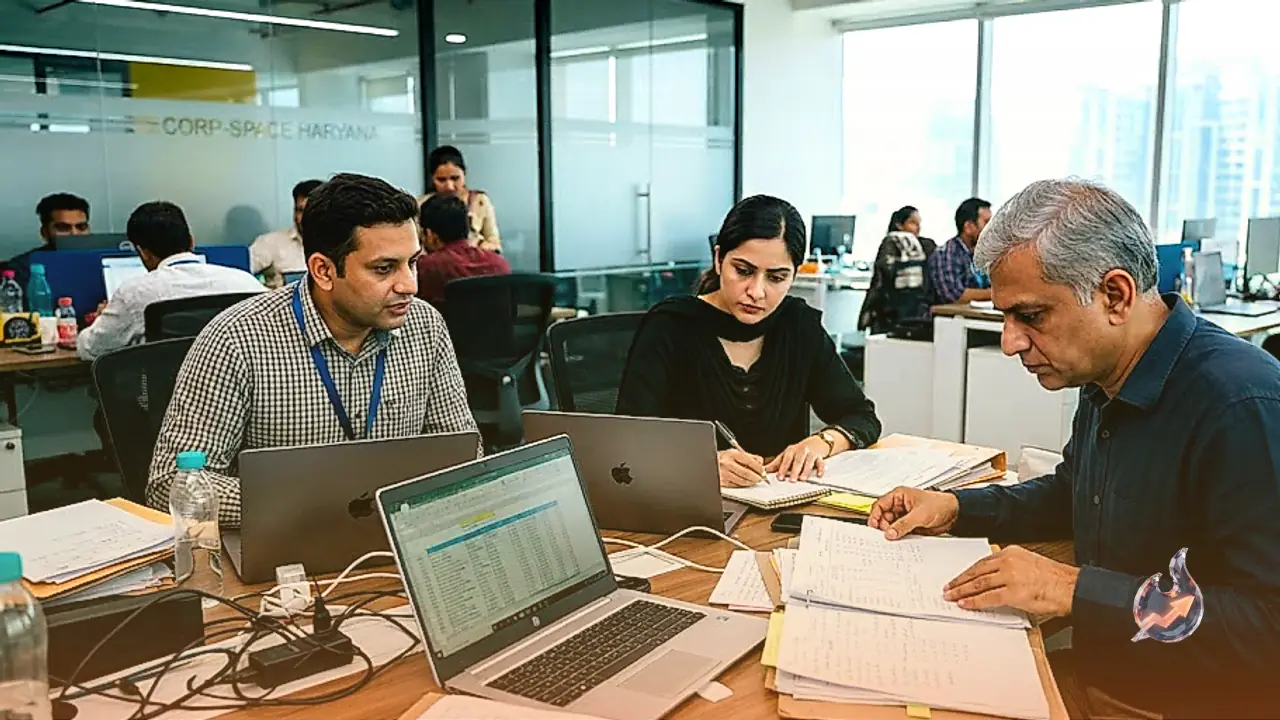
The second enterprise framework outlined by Kamath pairs skilled Indian professionals with AI capabilities to deliver services across international borders. He pointed out that an engineer in India can be employed at roughly $500 to $1,000 per month, describing a hybrid structure where human capability and technology combine seamlessly. The underlying principle involves using AI tools to multiply the operational output of a lean team, while preserving human judgment, critical oversight, and specialised craft for nuanced client requirements.
Executing a Targeted Service Model on a Lean Budget
Depending on founder strengths and international demand, this hybrid approach can span software engineering, business process management, specialized research, digital performance marketing, or consulting services. An entrepreneur working with Rs 10 lakh can begin by uncovering a distinct pain point encountered by overseas enterprises and validating whether those businesses are willing to pay for a streamlined resolution. Instead of rapidly expanding headcount, the business can operate with the founder and a handful of dedicated specialists, integrating AI software wherever it directly enhances execution speed and quality.