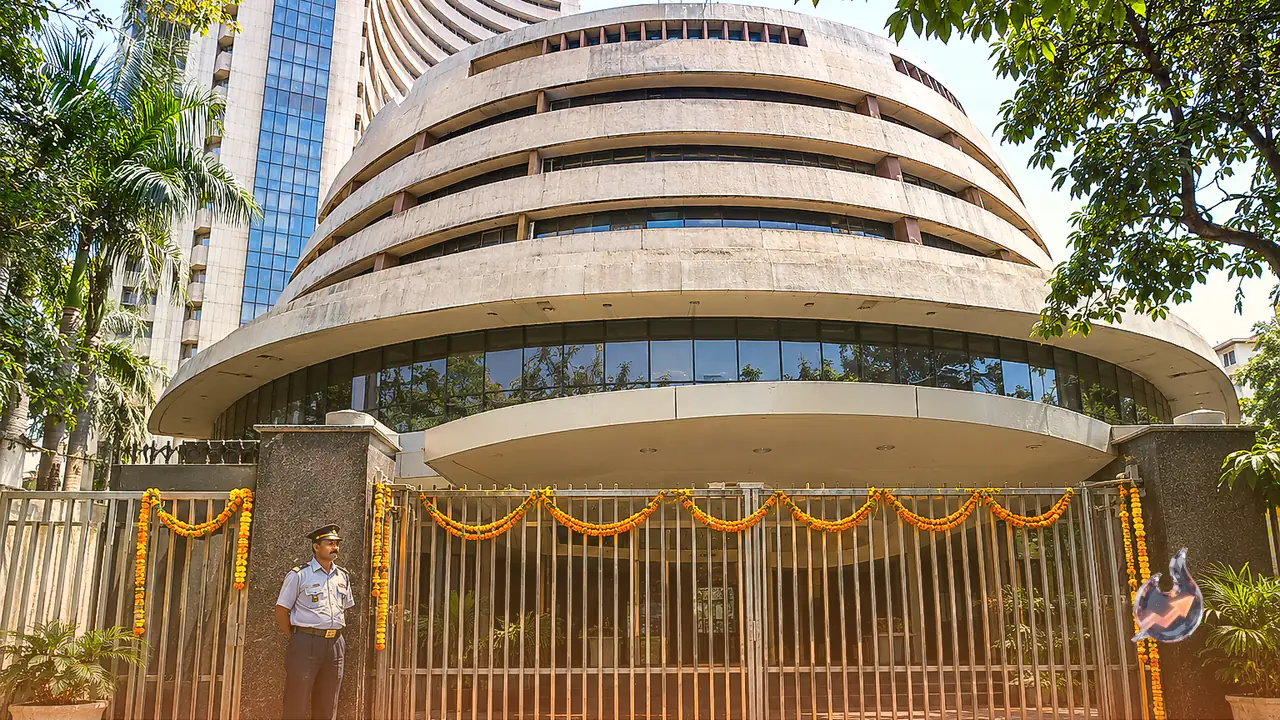

Indian equity benchmarks and financial trading platforms will pause operations on Tuesday, November 24, 2026, in observance of Guru Nanak Jayanti. The pan-India holiday honoring the revered Sikh festival will trim the ongoing trading week down to four working sessions, keeping dealing desks quiet across major bourses.
Complete Shutdown Across Primary Trading Windows
According to the official schedules issued by the Bombay Stock Exchange and the National Stock Exchange, dealing will remain completely frozen throughout Tuesday. Suspended trading envelopes equity shares, debt securities, index and stock derivatives, mutual fund platforms, currency contracts, as well as the Securities Lending and Borrowing mechanism. Market participants will be unable to open new positions or unwind existing ones across futures and options counters on November 24.
A split operational schedule applies to the Multi Commodity Exchange. MCX typically runs in two distinct windows during standard business days: a morning window from 9:00 am to 5:00 pm followed by an evening window active from 5:30 pm through 11:55 pm. Under the holiday arrangement, dealing desks will remain shut for the morning block. As a result, investors will be barred from trading futures contracts in bullion, base metals, and energy assets, including gold, silver, copper, zinc, lead, natural gas, and crude oil between 9:00 am and 5:00 pm. Normal trading operations will resume for the second session starting at 5:30 pm.
Settlement Implications and Depository Closures
Because the market operates on a standard T+1 settlement framework, all transactions initiated during Monday's normal trading session on November 23 will reach settlement only on Wednesday, November 25. The mid-week interruption means that proceeds from stock sales and share credits will experience a one-day delay.
Furthermore, core depository participants Central Depository Services Limited and National Securities Depository Limited will also stay closed for the festival. Consequently, related fund payouts, bank withdrawals, and transfer requests will face processing hold-ups until physical operations resume on Wednesday. The remaining trading opportunities for the week will be restricted to November 25, 26, and 27.
Sharp Selling Pressure Marked Pre-Holiday Session
The market holiday follows a grueling Monday session on Dalal Street, where bears took charge across benchmark indices. The BSE Sensex plunged 1483.72 points, or 1.77 percent, ending at 82,435.99. In parallel, the NSE Nifty 50 surrendered 450.95 points, or 1.75 percent, settling at 25,349.65.
Heavy selling within banking majors dealt the most significant blow to broad-market stability. The Bank Nifty index tumbled 3.2 percent to 62,585.35. Key private and public lenders bore the brunt of the downturn, with Axis Bank, HDFC Bank, ICICI Bank, State Bank of India, and Kotak Mahindra Bank sinking between 2.5 percent and 4 percent. Metal producers added to the downward spiral as the Nifty Metal gauge slumped nearly 3.7 percent to 11,819.25, dragged lower by a steep decline in Tata Steel, which cratered more than 8 percent.
Global Sentiment and Valuation Pullback Behind Market Rout
Market analysts attributed the sharp turnaround on Monday to profit-taking following a prolonged multi-week upward march. As noted by Enrich Money CEO Ponmudi R, investors moved to lock in gains after consecutive weeks of advances and fresh milestones. He pointed out that while banking, finance, and metal shares faced aggressive distribution, IT counters bucked the prevailing weakness to stand out as resilient performers during the downturn.
Fragile global cues also played a crucial role in souring investor mood. Asian markets reacted poorly to Friday's sharp drop in Wall Street technology shares. Mounting unease over stretched valuations in artificial intelligence, skepticism regarding heavy capital outlay sustainability, and the unwinding of crowded tech holdings continued to suppress risk appetite across borders.
Echoing these observations, Geojit Investments Head of Research Vinod Nair explained that concerns surrounding high-tech valuations and restrictive monetary policy contributed to the domestic decline. Weak sentiment among foreign institutional investors compounded losses in heavyweight commodity and banking names. While an abbreviated trading week stimulated local profit booking, supportive openings in European bourses and mixed Asian performance prevented even deeper losses.
Domestic Macro Strengths Provide Medium-Term Cushion
Market observers note that upcoming price action will largely pivot on whether global technology valuations stabilize. Persistent scrutiny over debt-financed computing infrastructure continues to test international market confidence. Any further escalation in overseas selling could create temporary headwinds for Indian shares.
Nevertheless, the broader economic foundation remains well-positioned to weather external volatility. India maintains a lower direct vulnerability to international tech spending cycles alongside robust internal demand. Nair emphasized that expanding manufacturing activity coupled with projections of approximately 7.7 percent GDP expansion for the second quarter provide strong underlying anchors for medium- to long-term market prospects when trading resumes on Wednesday.