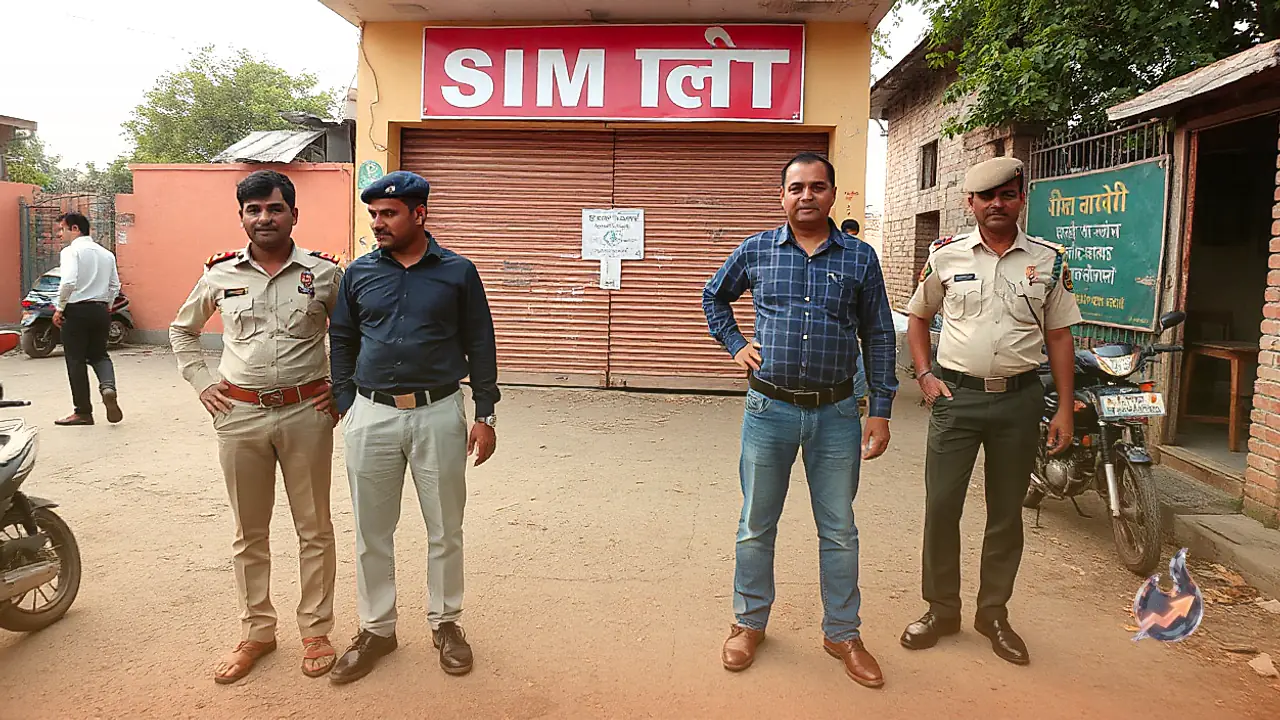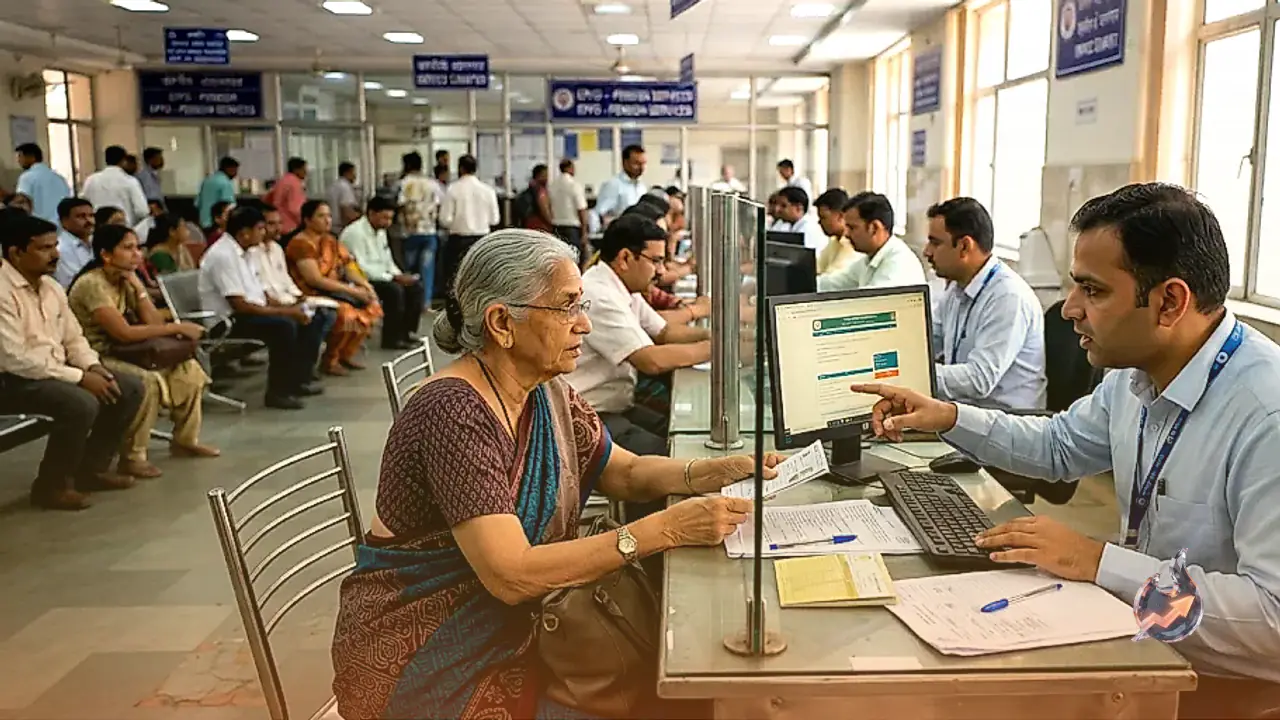

Discovering an unexpected deposit in your bank account when you have never applied for any financing is not a stroke of good luck. Financial fraudsters have adopted an aggressive technique where they transfer unsolicited funds directly into an individual's account without consent. Once the money lands, a relentless harassment campaign begins, demanding exorbitant interest payments, arbitrary processing fees, and inflated penalty charges. To coerce victims into paying, scammers frequently resort to intimidation, harassment calls, and the weaponization of personal data.
How Fraudsters Execute Unsolicited Loan Transfers
Unauthorized digital lending syndicates typically source banking credentials through compromised databases, phishing attacks, or shady mobile utilities that users unknowingly installed in the past. Operating on this stolen personal data, criminals push small disbursements into victims' accounts without undergoing any verification or approval process. Shortly after the credit alert rings, operatives call or text the victim claiming a loan has been disbursed and demand swift repayment with punitive fees attached.
In several cases, scammers exploit this confusion to solicit one-time passwords, using that singular credential to siphon off the customer's entire account balance. If the victim refuses to comply with their unreasonable demands, extortionists issue fabricated threats of legal prosecution, police complaints, or deliberate attempts to destroy the victim's official credit rating.
The Rising Threat of Unauthorized Lending Applications
While digital underwriting has made borrowing fast and paperless, rogue and unregulated mobile applications have turned that convenience into a perilous hazard. Promising instant cash disbursements without formal credit checks, these operators lure unsuspecting users into granting sweeping device permissions. During installation, these apps demand invasive access to the smartphone contact book, private image galleries, and device storage.
Once compromised, this personal information is converted into leverage. The operators utilize stolen photographs and phone contacts to launch coordinated blackmail campaigns, threatening to send fabricated defamatory material to family members, employers, and social contacts if extortion sums are not immediately cleared.
Immediate Steps to Take When Mystery Funds Appear
Should an unrequested credit transaction appear on your bank statement, the golden rule is to leave every single rupee untouched. Never withdraw, spend, or transfer that money. Contact your banking institution immediately to log an official dispute, report the unsolicited transaction, and request the exact origin of the sender. Submit a written notification confirming that you never sought, approved, or consented to any loan facility from that source.
Crucially, never return the funds directly to any private UPI identifier, payment link, or third-party bank account provided by an unknown caller. Keep comprehensive documentation of all interactions, including call recordings, text messages, and transaction identifiers. Immediately report the extortion attempt to the national cybercrime helpline at 1930 or submit an incident report through the official National Cyber Crime Reporting Portal.
Telecom Sender Identifiers and Link Safety
Under regulatory guidelines enforced by the Telecom Regulatory Authority of India (TRAI), business text messages carry specific header identifiers. Sender tags typically denote categories such as -P for promotional alerts, -S for general service messages, -T for transactional updates, and -G for governmental communiqués. However, the presence of standard headers does not automatically guarantee that embedded web links or attachments are safe. Clicking random links arriving through SMS or messaging platforms can redirect users to malicious spoofed portals designed to log credentials.
Regulatory Verification and Expert Precautions
Warning consumers against common digital traps, Cashlo co-founder Rashid Ali stated, "Money that suddenly appears in an account is never free, so verify it immediately with your bank and never transfer funds to unknown individuals." He stressed that responsible financial technology should empower borrowers rather than subject them to severe vulnerabilities.
Before interacting with any digital credit platform, borrowers should cross-check its legal standing on the Reserve Bank of India website to ensure it partners with an authorized bank or registered Non-Banking Financial Company (NBFC). Always review the Key Fact Statement (KFS) to ascertain the exact interest rate, annual percentage cost, and administrative fees. Never permit apps unnecessary access to contacts or media galleries, and preserve the absolute secrecy of your OTPs, UPI PINs, and online banking passwords.