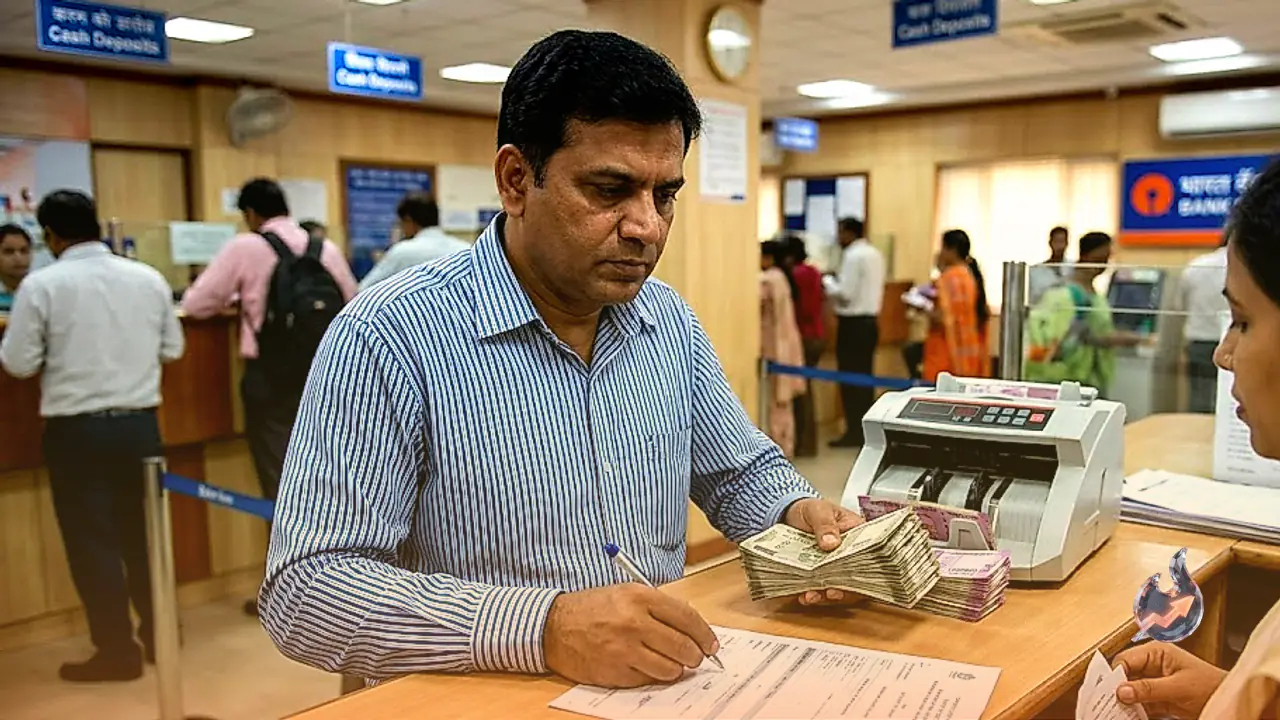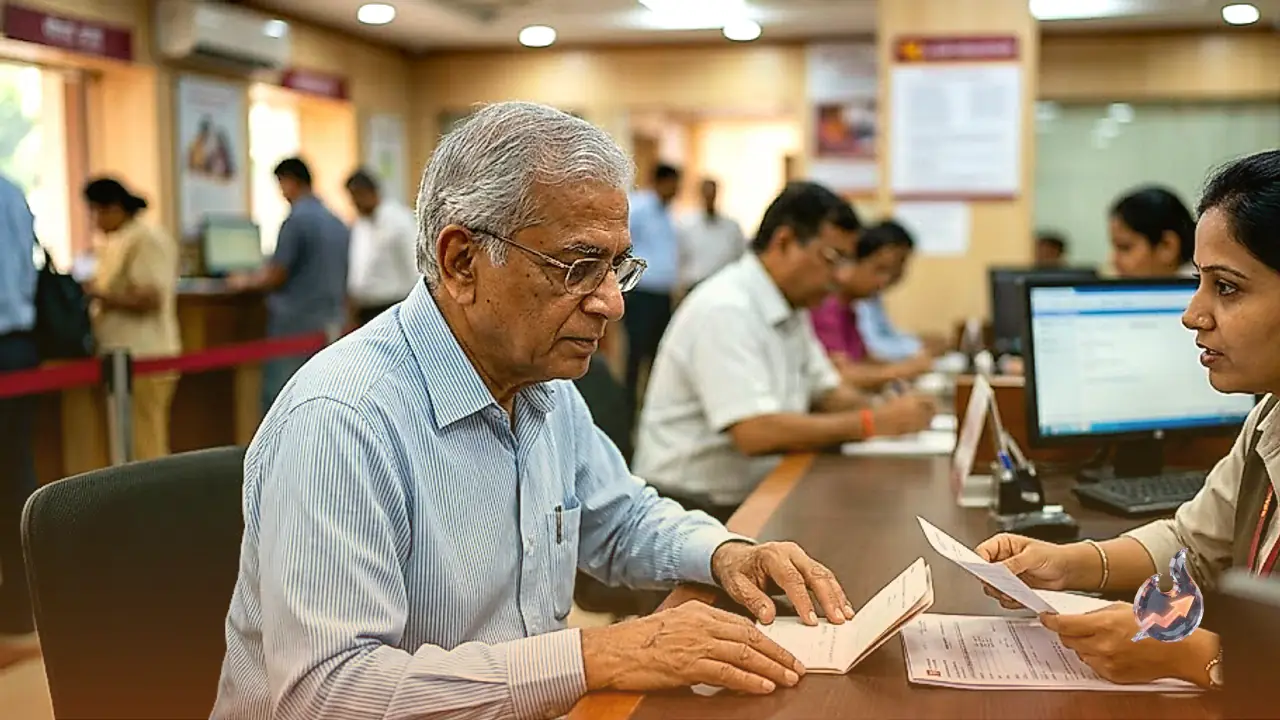






















Credit cards have quietly become part of everyday life. Whether it is shopping, dining out or a sudden emergency expense, they offer instant relief. But that same convenience can also pull you into debt that lingers for years. When a heavy bill lands at the end of the month, most people panic and reach for the easiest way out, paying just the 'minimum due'. If you keep doing this month after month, it is worth pausing, because you may be slipping into a trap where interest of up to 40% a year eats away at your money.
The moment a bill arrives, the card shows two options, the 'total amount due' and the 'minimum amount due'. The minimum due is usually only about 5% of the full bill. Many users assume that paying this small slice is enough to avoid being labelled a defaulter and to keep any extra burden off their shoulders.
The Real Cost Hiding Behind the Convenience
It is true that paying the minimum due means the bank does not charge a late payment fee, and your credit score escapes an immediate hit. But it certainly does not mean the rest of your debt has been waived or that it will not attract interest. As soon as you pay only the minimum, interest starts piling up on the remaining 95% from that very moment.
This is no ordinary interest. Banks charge between 3% and 4% a month on the leftover amount, which works out to anywhere from 36% to 45% a year. Compared with a personal loan or any other borrowing, this is far more expensive and far more dangerous.
Understand the Maths With an Example
Suppose your card bill comes to 50,000 rupees and you pay only the minimum due of 2,500 rupees. The remaining 47,500 rupees will now start gathering interest at an annual rate of 40%. Month after month the figure climbs silently, and before long the debt turns into a mountain.
The Interest-Free Period Disappears
Another major drawback of paying only the minimum due is that your 'interest-free period' ends right away. Normally, card companies offer 45 to 50 days of interest-free time on fresh transactions. But if a previous balance is still outstanding, every new purchase you make on that card, even a 100-rupee cup of tea, begins attracting heavy interest from day one. In this way the old and new spending combine into a burden that becomes nearly impossible to clear within an ordinary budget.