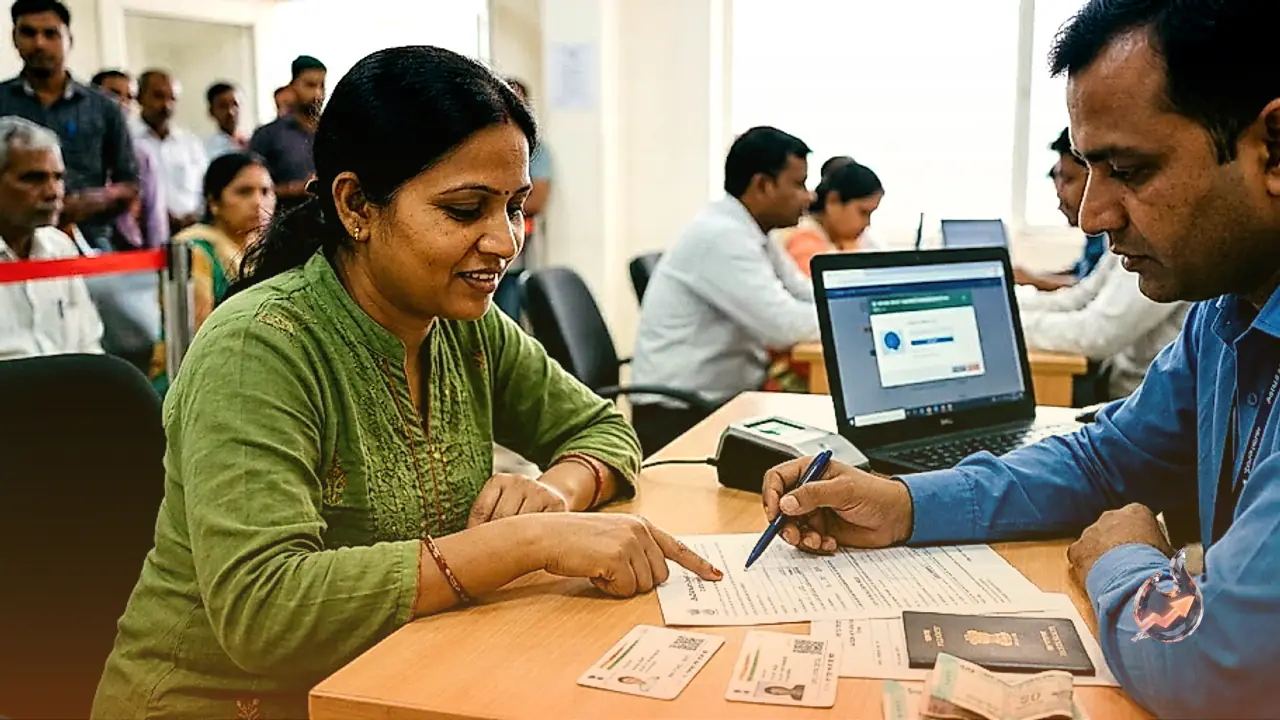







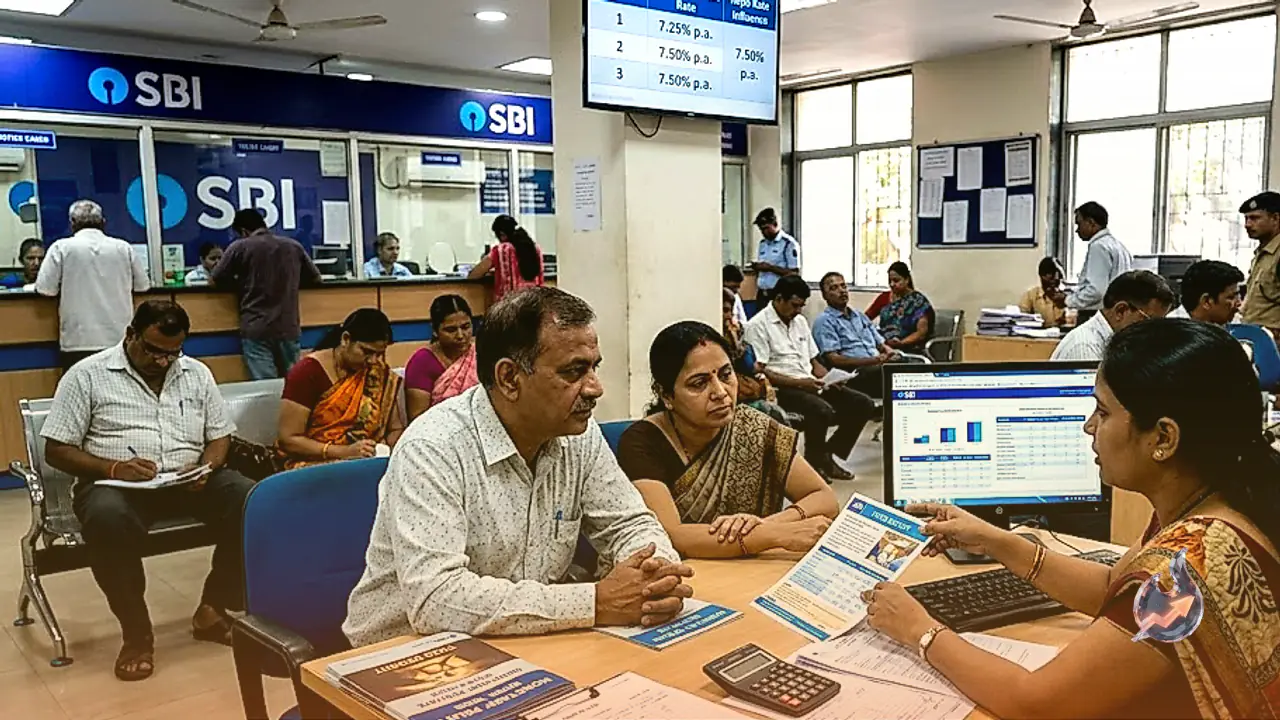















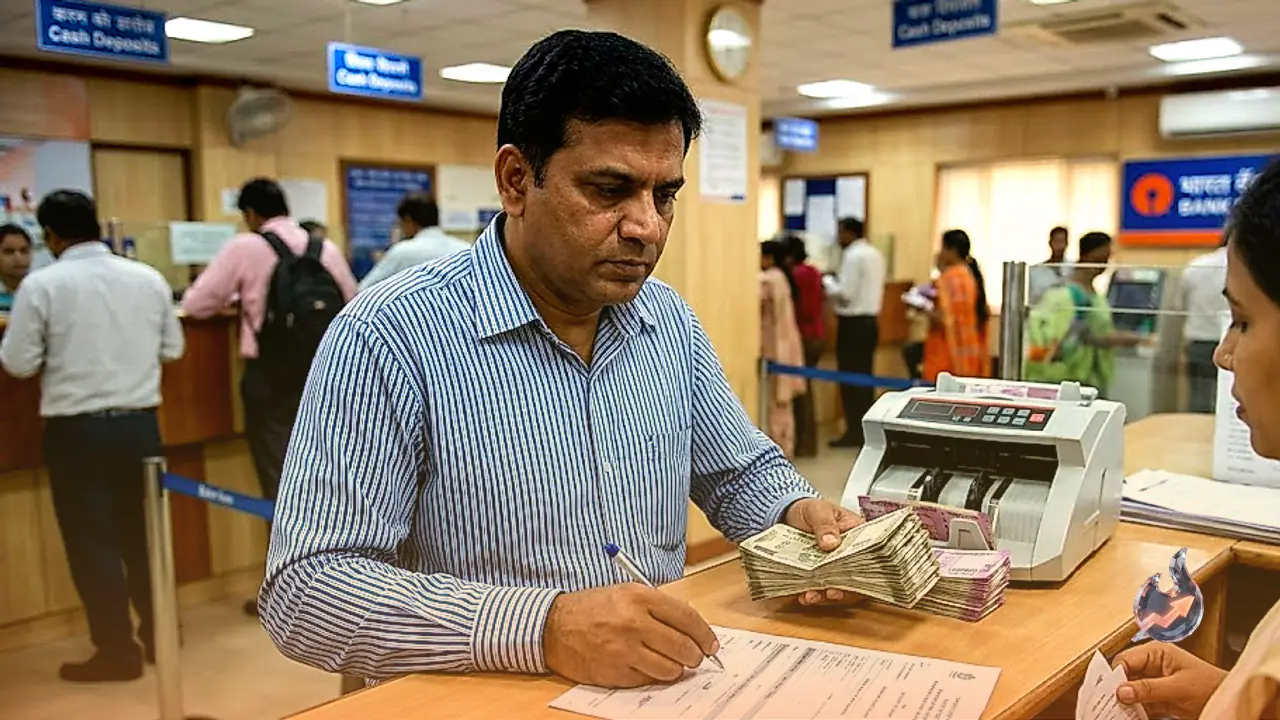

Banking services are central to modern financial life in India, where the total number of savings accounts has swelled to approximately 90 crore, driven significantly by the Jan Dhan financial inclusion drive. While holding a savings account offers unmatched convenience for day-to-day transactions and safe keeping of funds, many account holders remain unaware of the tax implications associated with cash transactions. Parking unusually large sums or making heavy cash deposits without understanding prescribed banking thresholds can unexpectedly draw the attention of the Income Tax Department and result in official notices.
Monitoring Thresholds and the Rs 10 Lakh Cash Limit
A common concern among bank customers is how much money they can safely deposit without attracting regulatory scrutiny. Tax authorities do not automatically flag every account balance; rather, their primary focus remains on high-value cash deposits and unusual transaction patterns. Under existing financial regulations, if total cash deposits into an individual's savings accounts reach or exceed Rs 10 lakh during a single financial year, banking institutions are mandated to report these transactions to the Income Tax Department.
Crucially, this Rs 10 lakh threshold applies cumulatively across all savings accounts registered under the same account holder, even if they are maintained at different banks. For business entity current accounts, a higher threshold of Rs 50 lakh per financial year is established. When cash deposits in a current account cross the Rs 50 lakh benchmark, banks similarly inform tax officials under automated reporting frameworks.
Triggers That Lead to Income Tax Notices
Receiving a report from a bank does not immediately mean that an individual is guilty of tax evasion or liable for penalties. If you possess clear, verifiable proof regarding the legitimate source of your funds and have declared this income accurately in your Income Tax Return (ITR), you generally face no hardship. Problems arise primarily when discrepancies appear between your reported financial standing and actual bank activity. Key circumstances that provoke tax notices include
- Income Mismatch: Significant disparities between the amount deposited in cash and the annual income declared in filed ITR documents.
- Repeated High-Value Cash Deposits: Frequent and large cash deposits that disrupt normal personal transaction profiles.
- Failure to File ITR: Conducting substantial bank transactions during the financial year while neglecting to submit an annual Income Tax Return.
- Unlinked PAN Details: Operating bank accounts without linking a valid Permanent Account Number (PAN) or failing to update tax credentials.
- Flagged Suspicious Transactions: Any financial movements that automated banking compliance systems flag as anomalous or irregular.
Best Practices to Avoid Tax Complications
Maintaining substantial funds in bank accounts for emergency security is standard practice, but account holders should prioritize digital banking and online fund transfers over physical cash dealings. When depositing sizable amounts of cash becomes unavoidable, ensure that the money stems from legitimate, taxable, or exempt sources that can be easily validated during tax assessments. Keeping your PAN updated and filing your ITR accurately every year ensures complete peace of mind and protection against sudden regulatory queries.