





















Mike Flanagan's adaptation of Carrie opens on a scene of total devastation, with Ewen High School engulfed in flames and the surrounding town of Chamberlain, Maine, reduced to an inferno that claims 200 lives. Amid the smoking ruins, high school student Sue Snell, played by Siena Agudong, poses a haunting question to investigators about whether they truly understand what took place on prom night. This comprehensive Carrie review explores how the eight-episode streaming drama takes an iconic American horror myth and reimagines its psychological core for a modern generation.
Reframing a Legendary Horror Tale
Stephen King's breakthrough novel and Brian De Palma's pyrotechnic cinematic adaptation remain firmly etched in popular culture. Even audiences who typically avoid horror are well acquainted with the tragic story of Carietta White, a relentlessly bullied adolescent who discovers her latent telekinetic abilities and turns them against her tormentors in a catastrophic wave of fury. Showrunner Mike Flanagan has built an acclaimed career by treating revered literary texts as springboards for deep emotional exploration, having previously delivered distinct reinventions of Shirley Jackson's The Haunting of Hill House and Edgar Allan Poe's The Fall of the House of Usher.
With this new series, Flanagan embarks on a similar path, weaving intricate embellishments throughout King's original narrative framework. The relentless narrative drive and overwhelming sense of impending doom remain completely intact, yet the world expands significantly through complicated interpersonal tensions, original supporting figures, and intricate secondary storylines that deepen the town's social fabric.
Reimagined Characters and Striking Performances
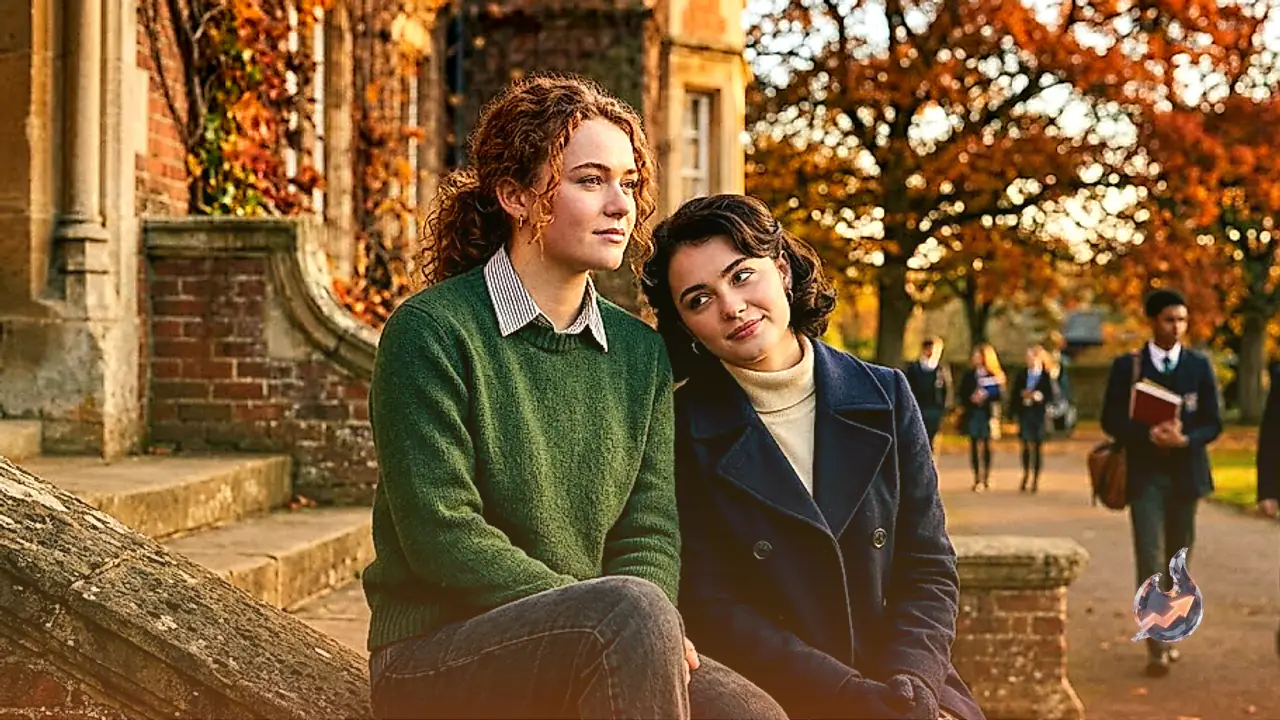
At the center of the series is newcomer Summer H. Howell, who delivers an arresting turn as Carrie White. Rather than portraying the character as the perpetually terrified and clenched figure made famous by Sissy Spacek, Howell brings forward an inquisitive, intelligent teenager whose profound gentleness makes her feel out of place in a callous social environment. Alongside her, Samantha Sloyan portrays Carrie's deeply religious mother, Margaret, presenting her not as a simple caricature, but as a fiercely protective woman driven by a desperate, suffocating love for her child.
The high school dynamic is equally nuanced through Alison Thornton's performance as chief antagonist Chris. Functioning as a quintessential school queen bee with an unmistakably cruel streak, Chris becomes surprisingly compelling as her personal life unravels, channeling her mounting insecurities and frustration into severe cruelty toward Carrie. The actors ensure these complex motivations stay front and center throughout the eight episodes.
Stumbles Amid a Modern Triumph
Not every creative risk taken in the adaptation lands with equal force. An thematic effort to contextualize Carrie's psychic gifts within a broader historical continuum of misunderstood and persecuted women feels somewhat heavy-handed. Additionally, a secondary subplot lingering along the margins of the main narrative feels overtly engineered to lay groundwork for a prospective second season rather than serving the immediate story. On a visual level, the climactic prom sequence inevitably falls short of matching the electrifying tension, frenetic emotional peak, and bravura technical craft of De Palma's classic staging.
Even so, the project succeeds as a powerful and affecting piece of television. Flanagan astutely updates King's setting to a contemporary American high school where active shooter drills are a routine reality of student life, and where every act of harassment or brutal prank is instantly documented on smartphones to be shared online. When Carrie White hones her telekinesis in abandoned lots, lifting debris and detonating derelict automobiles like a burgeoning antihero, her whispered promise that circumstances are about to change carries real weight. Available on Prime Video, this thoughtful series confirms that even the most sacred genre classics can benefit from a bold, contemporary reinvention.