




















A critical Student of the Year: After Dark review (2026) makes one thing immediately clear: the glittering halls of St. Teresa are no longer merely a backdrop for choreographed dance routines and teenage romances. Historically associated with expansive sets, high-fashion styling, breezy love triangles, and energetic anthems that launched major mainstream careers, this brand has taken an unexpected creative turn. Acknowledging an evolving audience palate that increasingly favors narrative depth and suspense over superficial polish, the creators have reinvented the franchise into a sombre six-episode psychological mystery that explores the dangerous realities tucked behind opulent academic facades.
A Campus Shaken by an Unsettling Demise
The series abandons conventional coming-of-age tropes right from the prologue with a jarring shock. Ayesha Malik, one of the most prominent, affluent, and socially dominant figures at St. Teresa, dies under abruptly suspicious circumstances. Her sudden loss sends seismic shockwaves through the seemingly peaceful student body. Driven to uncover the truth, her estranged twin sister, Aditi, arrives on campus to trace the final hours and concealed motives surrounding the incident. As Aditi navigates the complex social hierarchies, questioning faculty and peers alike, dark layers begin to peel away. The plot expands beyond a standard homicide or suicide enquiry, actively dissecting adolescent insecurities, toxic social maneuvering, and the hidden misdeeds of the ultra-wealthy. While the core intrigue keeps viewers invested, the pacing periodically falters when familiar genre cliches surface.
Shanaya Kapoor's Bold Dual Role and Supporting Ensemble
The centerpiece of this venture is Shanaya Kapoor, who shoulders the dual responsibility of portraying both sisters, Ayesha and Aditi. The differences between the two are stark: Ayesha is self-obsessed, magnetic, fiercely protective of her social standing, and dripping with performative poise, whereas Aditi is quiet, observant, grounded, and relentless in her quest for closure. Kapoor puts visible effort into delineating the physical mannerisms, vocal cadence, and temperament of each twin. While certain emotionally taxing scenes betray a slight lack of seasoned dramatic control, executing two contrasting leads early in an acting journey represents an undeniably bold choice.
Surrounding the central mystery is a lively younger cast comprising Divik Sharma, Abhinav Singh, Manya Grover, Diya Damini, and Aadi Malik. Each infuses their character with the careless bravado and restless ambition characteristic of contemporary youth culture. Balancing their dynamic energy are seasoned screen veterans Sheeba Chaddha, Khalid Siddiqui, Neeraj Kabi, and Vivek Gomber. The veteran presence supplies crucial weight and gravity, grounding the show whenever the narrative threatens to spiral into melodrama.
Reema Maya's Directional Shift and Visual Aesthetics
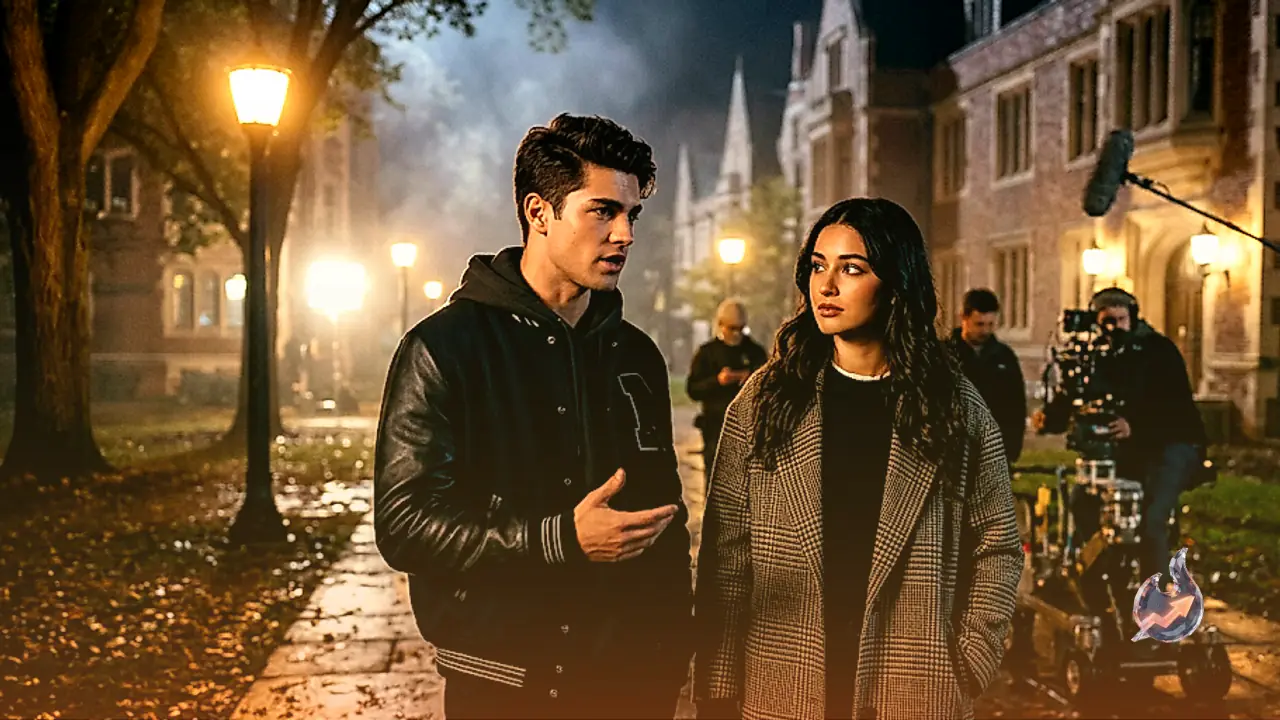
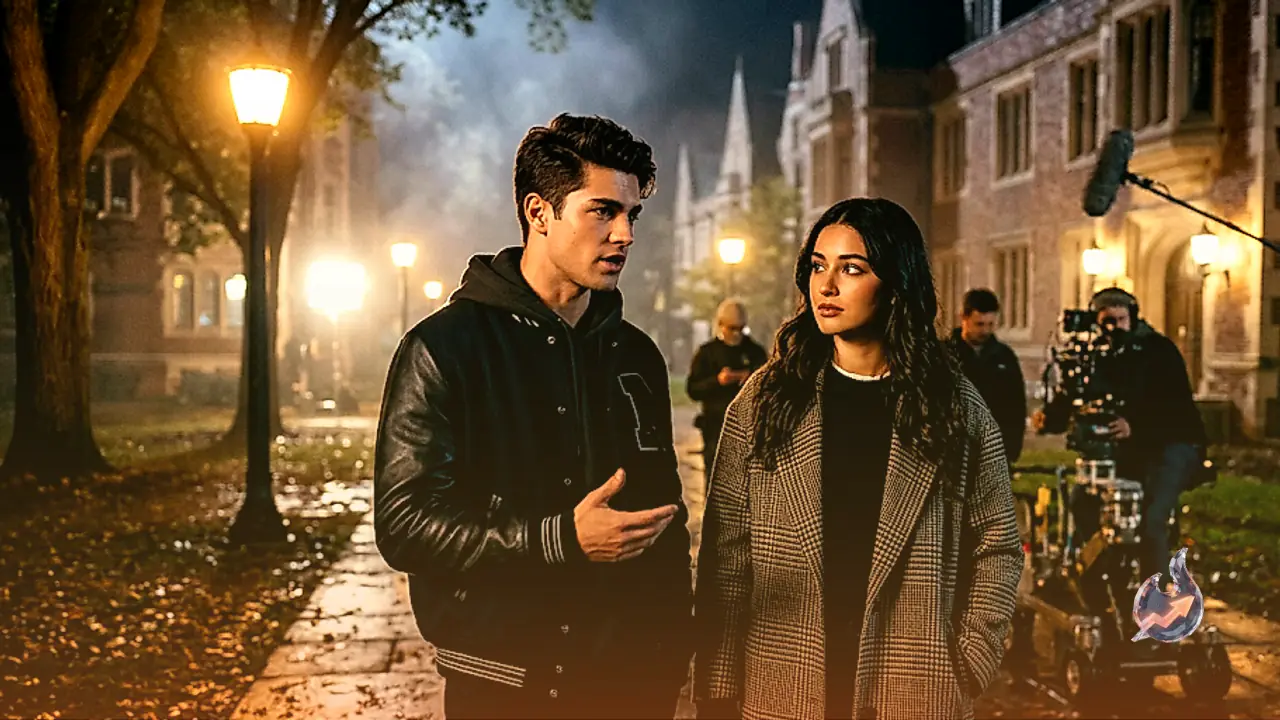
Director Reema Maya, previously recognized for her inventive work in short films, steps into the extended episodic space with an eye for atmospheric dread. Maya consciously strips away the candy-colored saturation typical of this cinematic universe, replacing it with an evocative, shadowy palette that frames the campus as an eerie, claustrophobic bubble. Her staging prioritizes slow-burn reveals and character psychology over cheap jump thrills. Nevertheless, the pacing does not remain entirely consistent; specific stretches lose momentum, testing audience patience before picking back up. Even with occasional tonal lulls, directing an established pop-culture IP into a noir-infused mystery remains an ambitious feat.
Aesthetic execution stands out as one of the series' greatest strengths. The sprawling architecture, cavernous study halls, and lavish social gatherings of St. Teresa are captured with striking compositions. The camera work and thoughtful lighting design emphasize sharp contrasts: as the investigation uncovers uglier secrets, the lighting grows progressively subdued and murky. This stylistic shift functions as a visual metaphor, illustrating how an ostensibly glamorous paradise can conceal rot beneath its surface. The production design equally reinforces this duality through meticulously crafted modern interiors.
Sonic Identity and Notable Creative Stumbles
Given the musical pedigree of the franchise, viewers might anticipate an array of vibrant party tracks and commercial chartbusters. Instead, the soundtrack pivots strictly toward an ambient, situational background score engineered to heighten unease. The compositions swell at tense revelations, elevating the suspense, complemented by sharp, tactile sound design that accentuates quiet campus corridors and high-stakes confrontations.
Despite these creative merits, the series is hampered by several noticeable flaws
- Mid-season narrative drag: Episodes 3 and 4 suffer from sluggish storytelling, getting sidetracked by extraneous subplots that stall the central investigation.
- Rushed investigative resolutions: Multiple narrative threads and long-simmering questions reach hasty, somewhat underdeveloped conclusions in the final act, leaving the viewer with diminished closure.
- Uneven character development: A few supporting student characters lack sufficient screen time, making their underlying motivations and sudden decisions feel somewhat arbitrary.
Ultimately, Student of the Year: After Dark showcases how a traditionally lighthearted commercial property can be successfully recalibrated into an intriguing suspense thriller. Anchored by Shanaya Kapoor's ambitious double turn and Reema Maya's distinct directorial sensibility, it offers a compelling alternative for those seeking a moody campus mystery. The series earns a rating of 3 out of 5 stars.