
























Portraying the complicated journey of a nation still reckoning with its history is no simple task, regardless of the artistic approach chosen. The dynamic Spanish writer-director duo Los Javis, consisting of Javier Calvo and Javier Ambrossi, take a remarkably ambitious route in their latest work. Aiming straight for the emotional core of the audience, the film leaves viewers spellbound and deeply moved by the struggles of its people on an individual, national, and global scale. Anyone diving into this La Bola Negra review (2026) will find a sprawling cinematic effort that refuses to shy away from heavy themes.
A Multi-Decade Narrative Across Different Eras
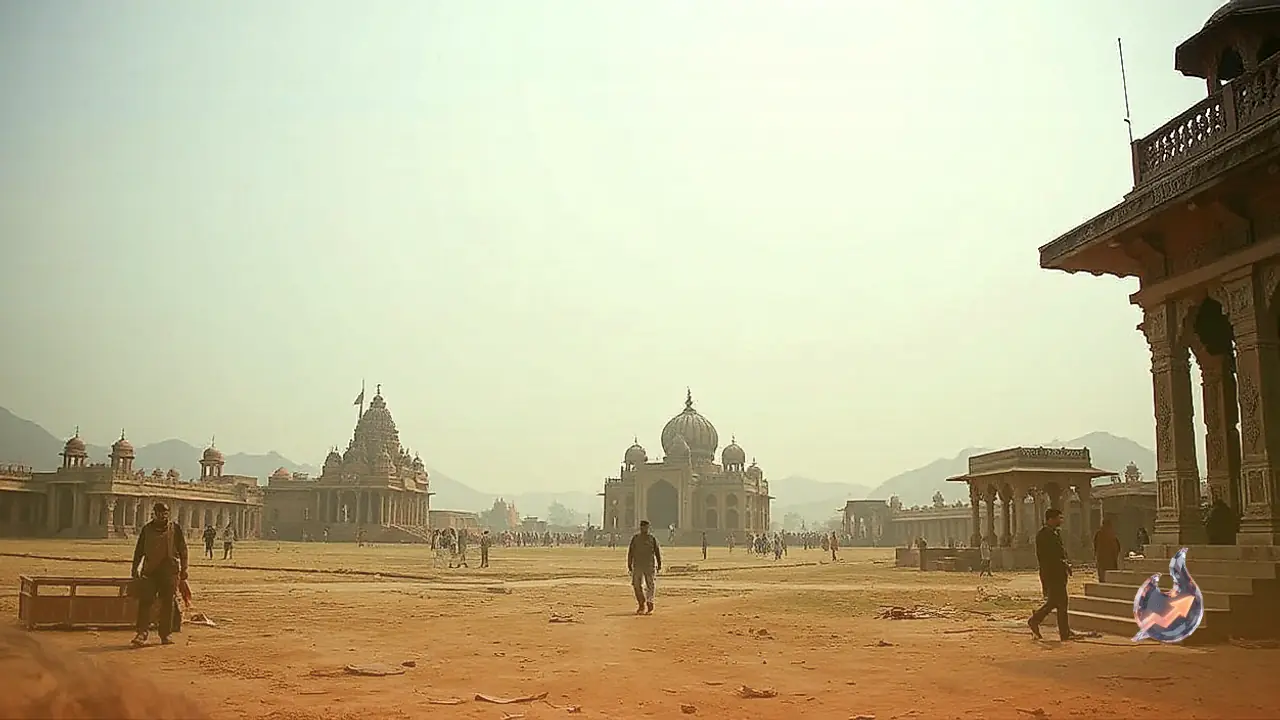
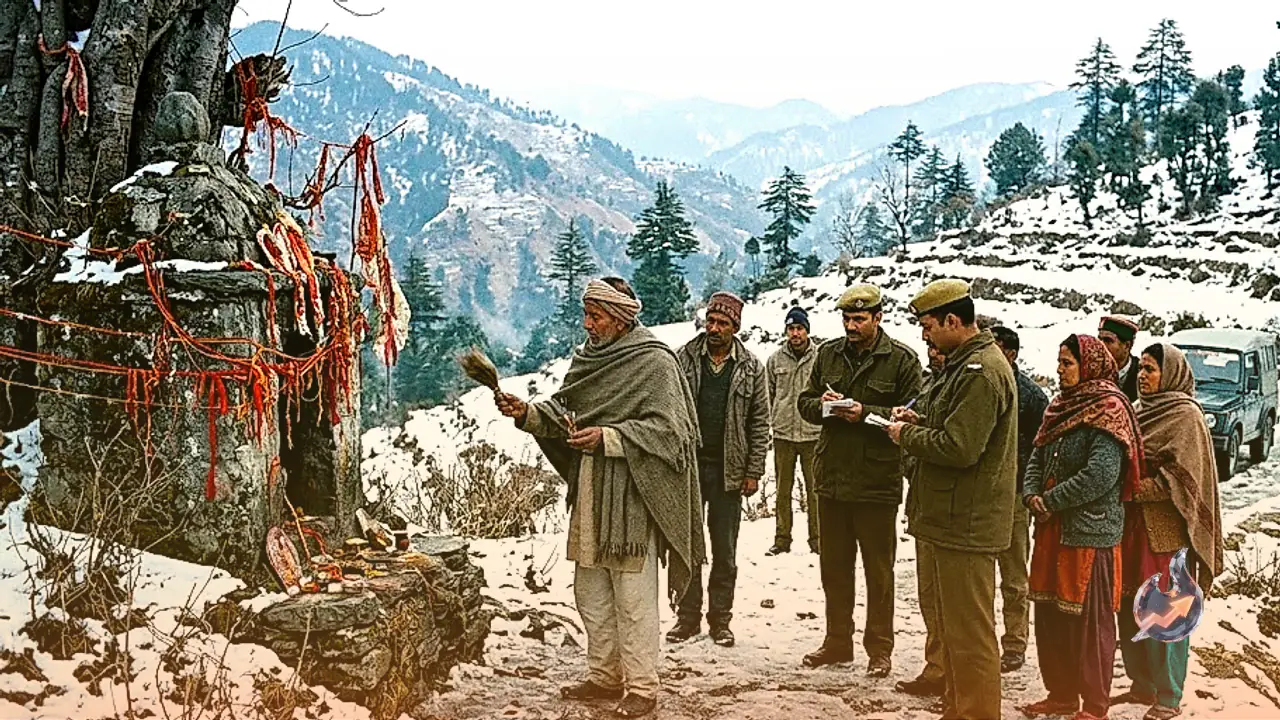
Jumping across the years 1932, 1937, and 2017, the story centers on three gay men whose ultimate connection only becomes entirely clear as the nearly three-hour runtime progresses. In the 1932 segments, we follow Carlos, played by Milo Quifes, a sharply dressed gentleman attempting to gain entry into an exclusive members-only casino in Granada while battling relentless rumors about his sexuality. Shifting to the height of the Spanish Civil War, we encounter Sebastián, widely regarded as the beating heart of the movie. Barcelona-based musician Guitarricadelafuente makes his acting debut here and delivers a breathtaking performance, complemented by his enchanting original song for the film titled 'La Nieve', which carries a timeless fairy-tale quality.
Cinephile Nods and Literary Connections
The threads of the plot tighten further with Alberto, played by Carlos González, a former playwright and unfocused historian tasked with uncovering his family legacy after inheriting a mysterious letter. What unfolds is a powerful and surprisingly poetic saga illustrating how personal desires continuously shape the art and destiny of a nation. Los Javis wear their cinephile credentials proudly, with narrative and visual references stretching from Apocalypse Now and Come And See to Titanic. They skillfully walk a tightrope connecting intense historical drama with classic cinematic entertainment.
Star Performances and an Emotional Crescendo
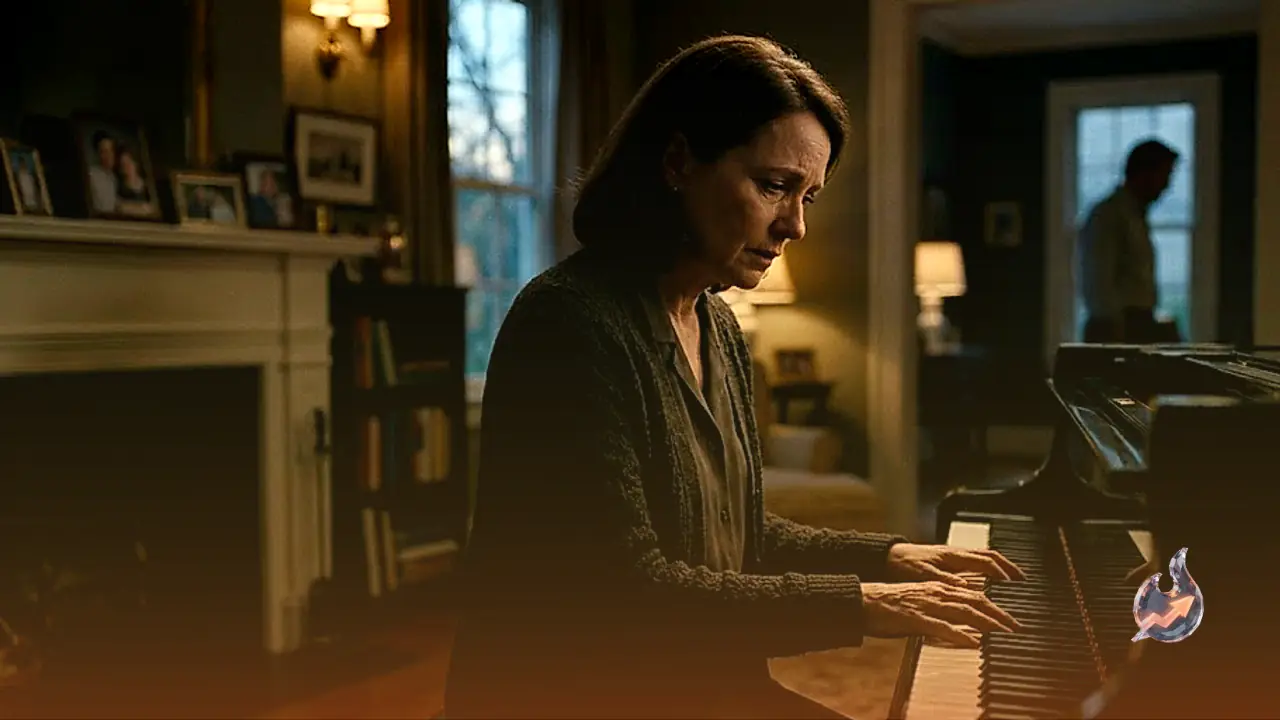
The sheer earnestness of the project, punctuated by thoughtful, concise, yet purposeful appearances from renowned actors Penélope Cruz and Glenn Close, can occasionally feel overwhelming for the viewer. All narrative puzzle pieces snap together almost too neatly, especially when contrasted against the messy complexity found in other historical epics that influenced this production. Yet, by the time the film reaches its near-overwhelming emotional crescendo, the profound beauty and resonance of the storytelling truly land home.