
Any well-rounded Focker-In-Law review demonstrates that spending substantial time away from relatives can work wonders for family relationships. That proves true for the long-running comedy saga that began 26 years ago with Meet The Parents, centered on a boyfriend enduring his partner's intimidating father. Following a 16-year gap after the grating previous entry, Little Fockers, this newest chapter arrives as an unexpectedly delightful return to the household, ranking second only to the original movie in overall quality.
A Role Reversal in the Family Hierarchy
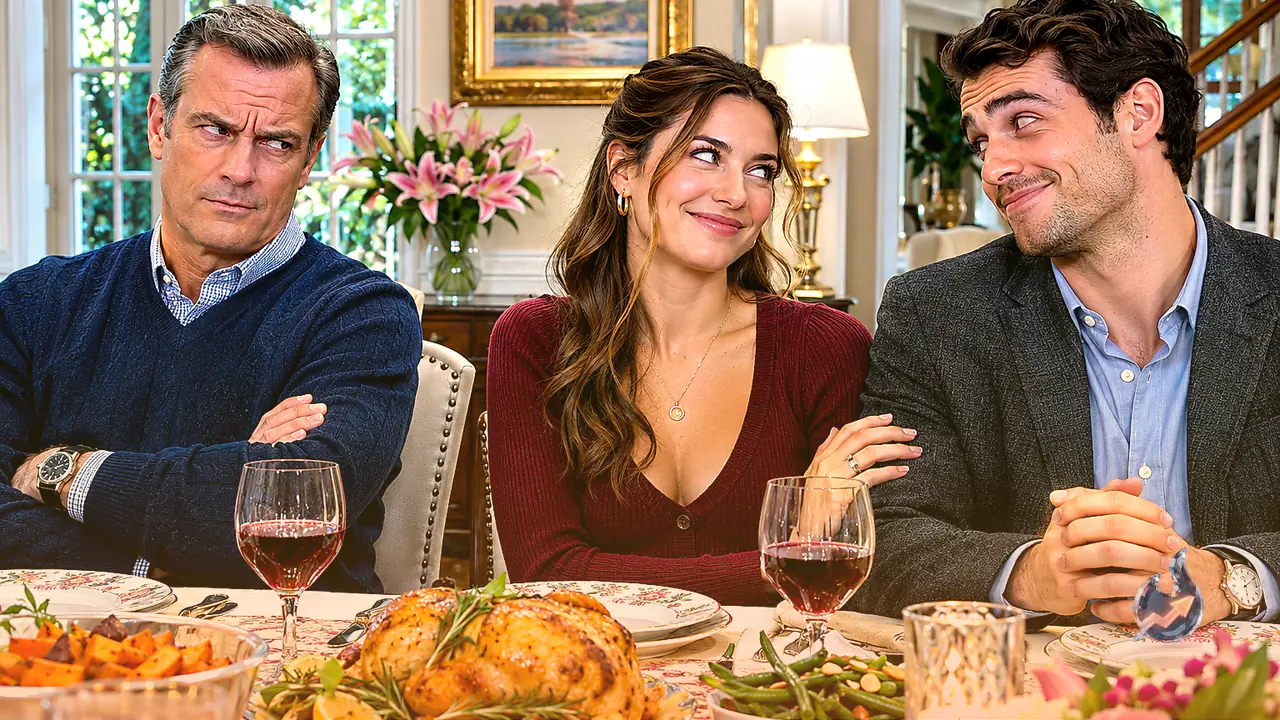
Employing some gentle narrative time adjustments, Greg and Pam Focker have become the parents of mid-twenties twins named Henry and Samantha. The entire household embarks on a shared getaway to commemorate the 80th birthday of Pam's father, Jack. Henry decides to bring his girlfriend, Olivia, along for the celebration, planning to take advantage of the family gathering to propose to her. Learning of this plan triggers intense possessiveness in Greg, who launches a determined effort to derail the impending union. In doing so, Greg transforms completely into the rigid, suspicious figure he once dreaded confronting: Jack.
Stiller's Comic Balance and Grande's Sharp Presence
Returning to anchor a mainstream comedy production after a notable absence, Ben Stiller showcases his ability to navigate the boundary between sympathetic protagonist and irritating antagonist. In this iteration, Greg is an overtly difficult individual who behaves in a self-absorbed, vain, and controlling fashion, desperate to prevent his 26-year-old son from establishing any milestone that could disrupt their connection. Stiller retains an essential undercurrent of emotional vulnerability throughout Greg's chaotic stumble toward self-realization, preventing the character from becoming purely unlikable.
Alongside him, Ariana Grande confirms she possesses strong comedic range beyond musical projects. She delivers an impressive turn as Olivia, avoiding the trap of playing a blandly virtuous love interest. Instead, she becomes the composed, mature figure amid an ensemble of emotionally stunted characters. The dynamic between Grande and Stiller functions smoothly as Olivia approaches Greg's tantrums in the manner of someone handling an unpredictable child. Stiller leans into broad, energetic comedic reactions while Grande delivers understated, subtle timing. This dynamic smartly mirrors and flips the Greg and Jack conflict from the debut film.
Direction, Sitcom Pacing, and Nostalgic Appeal
Writer and director John Hamburg, a frequent creative partner of Stiller, avoids leaning excessively on cheap callbacks to previous jokes. Placing the spotlight on the interaction between Greg and Olivia naturally means Jack receives reduced screen time, yet Robert De Niro maintains an effective presence whenever on camera.
Certain flaws familiar to the franchise remain visible throughout the runtime. The production retains a television sitcom texture, stringing together physical comedy set-pieces where select slapstick sequences overstay their welcome before wrapping up with a tidy domestic moral. That episodic feel is somewhat heightened by bright lighting choices that evoke small-screen productions. While the structure adheres to an older tradition of comedy filmmaking, it provides a warm sense of familiarity. The movie never reinvents the genre, yet it succeeds in delivering genuine laughs. As the narrative hints at a prospective fifth entry, it leaves behind an extended family gathering that audiences would genuinely anticipate revisiting.