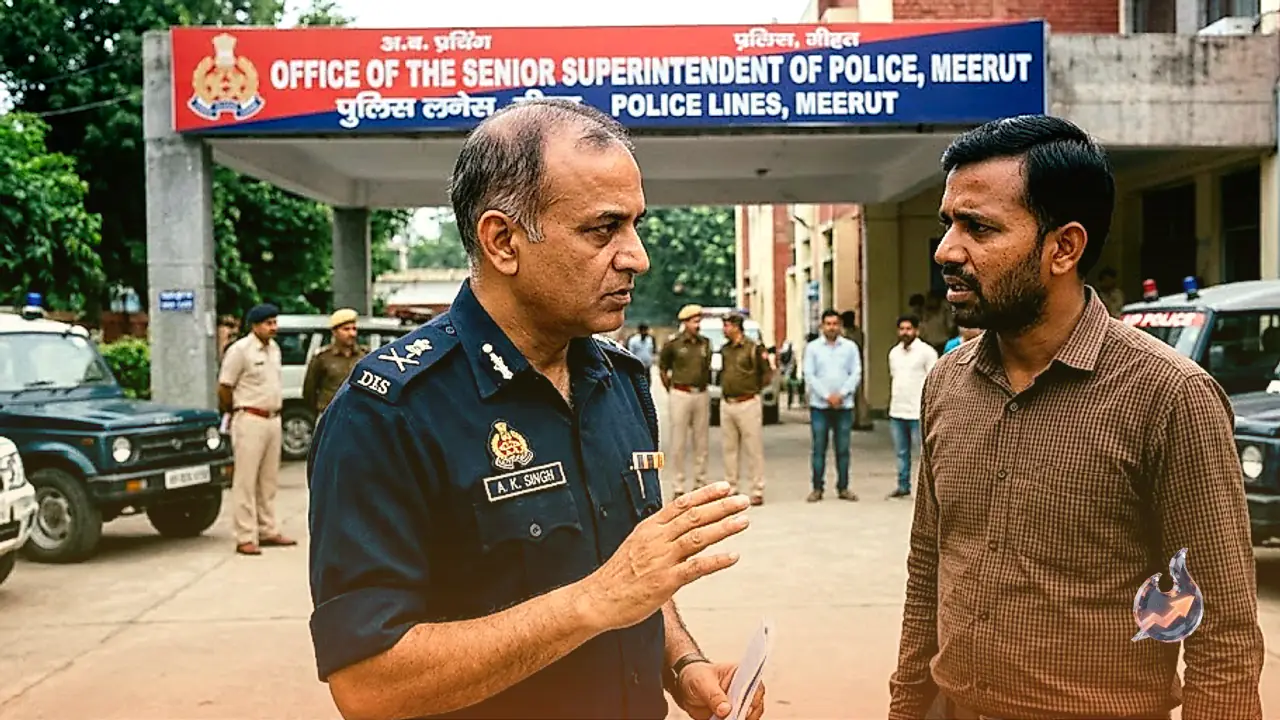

















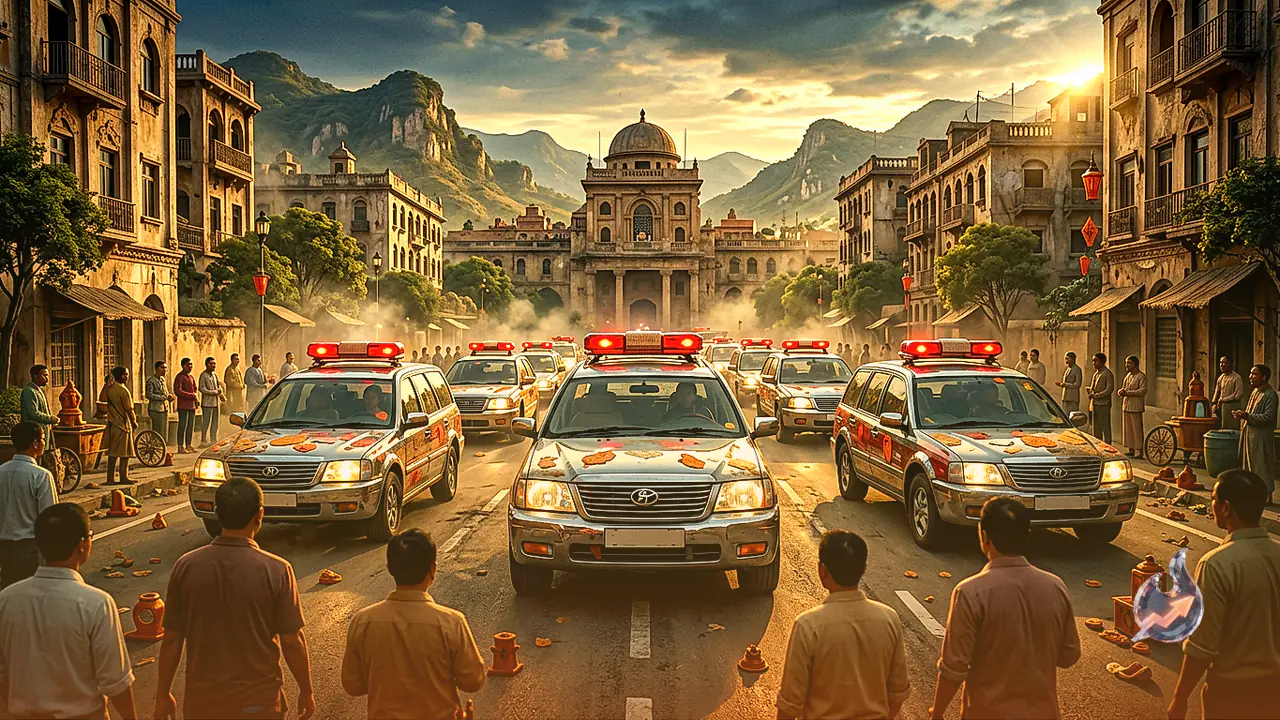

The Indian government completely banned the use of red beacons on vehicles several years ago to curb the deeply entrenched VIP culture in the country. At the time, it was hoped that this measure would eliminate the visible divide between ordinary citizens and elite public figures on the roads. However, the administrative and social reality demonstrates that VIP culture remains firmly rooted within the system. For candidates preparing for competitive examinations such as the Union Public Service Commission (UPSC) and Staff Selection Commission (SSC), as well as from a general knowledge perspective, it is important to understand that removing red lights alone did not end special privileges. Today, at least 10 major features and practices continue to separate the general public from the privileged class.
Traffic and Transportation Privileges
Even without red beacons, the impact of VIP culture is clearly visible in daily road transport. The first major feature is the widespread use of loud hooters atop vehicles and police escort automobiles moving ahead of and behind official convoys. This movement frequently halts regular traffic and blocks ordinary commuters.
The second privilege involves toll plazas across the country. According to National Highway rules, not all politicians enjoy blanket toll exemptions. Exemptions are legally restricted to select designated VIPs and MPs or MLAs on official duty using specified vehicles, while regular leaders and private vehicles remain liable for toll charges. In practice, dedicated lanes and unhindered passes are frequently utilized to skip lines and avoid payment.
The third major concern is the creation of special traffic corridors for convoy movements. Whenever a high ranking official or senior leader passes through, general traffic is halted for long periods. Emergency vehicles such as ambulances regularly get trapped in these stoppages, highlighting a critical downside of this privilege system.
The fourth method includes vehicle designation plates. Mounting boards reading Chairman, Secretary, MLA, or official department names remains a common sight. These plates are frequently used as an easy means to bypass police checks, toll collections, and parking fees.
Security, Travel, and State Property Access
Taxpayer funds and public infrastructure are also utilized to maintain exclusive status markers. The fifth feature is the allocation of personal gunmen and security details funded by public revenue. Security cover is provided to numerous influential figures, often functioning as a status symbol to display authority rather than addressing documented safety threats.
The sixth area of privilege occurs at airports. Selected leaders and high ranking officials receive exemptions from physical security frisking. Furthermore, separate luxury VIP lounges and dedicated boarding processes are reserved for them, isolating their travel experience from that of regular passengers.
The seventh privilege concerns luxurious government circuit houses and guest facilities spread across the nation. These properties remain primarily reserved for government officers and politicians, while ordinary citizens face strict barriers when attempting to access or stay in these public facilities.
Healthcare, Religious Access, and Staff Deployment
Discriminatory practices extend directly into healthcare, religious visits, and administrative staffing. The eighth feature is the provision of special darshan and VIP passes at major temples across India. While ordinary devotees stand in long lines for hours, individuals with VIP passes bypass queues for immediate access.
The ninth aspect relates to public healthcare institutions. In government hospitals where ordinary citizens spend hours waiting for registration slips and consultations, VIP patients receive immediate attention from specialized medical teams along with prompt allotment of private wards.
The tenth and most contentious feature is the deployment of official government staff for personal chores. Employees posted at the official residences of senior officers and leaders are frequently assigned household duties. This practice represents a lingering mindset from the colonial era that continues to persist within contemporary governance structures.