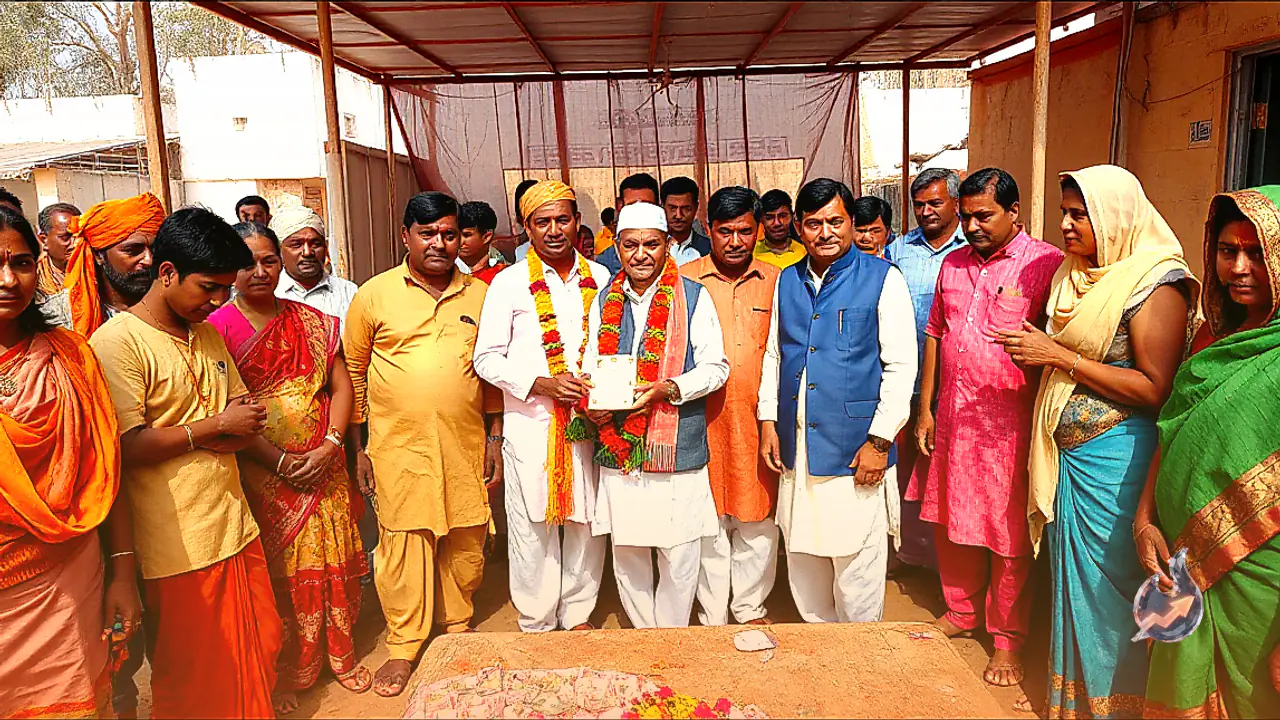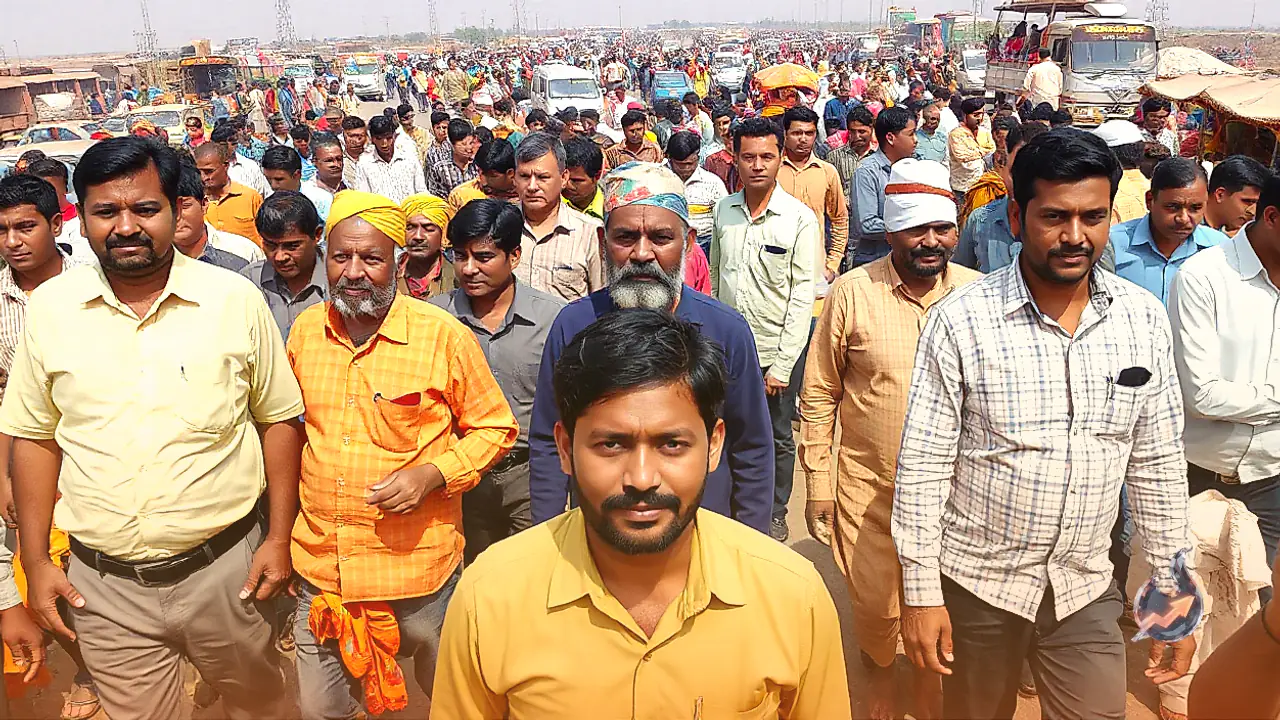
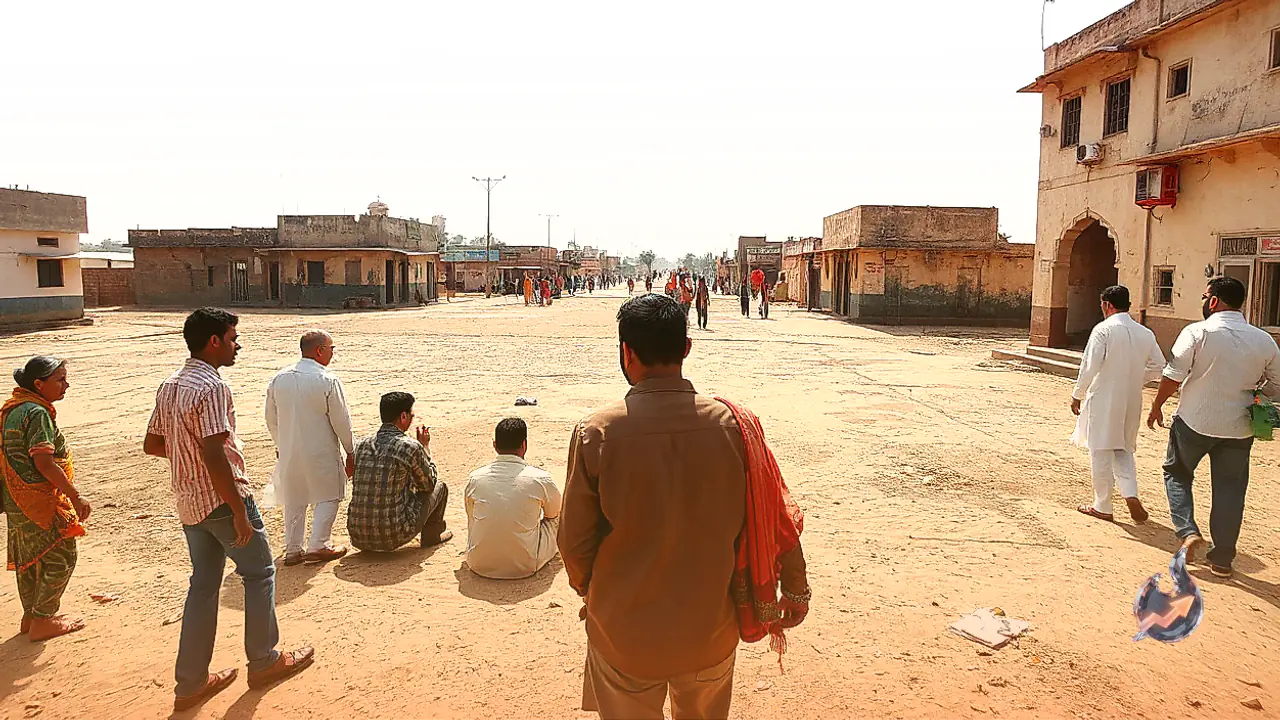















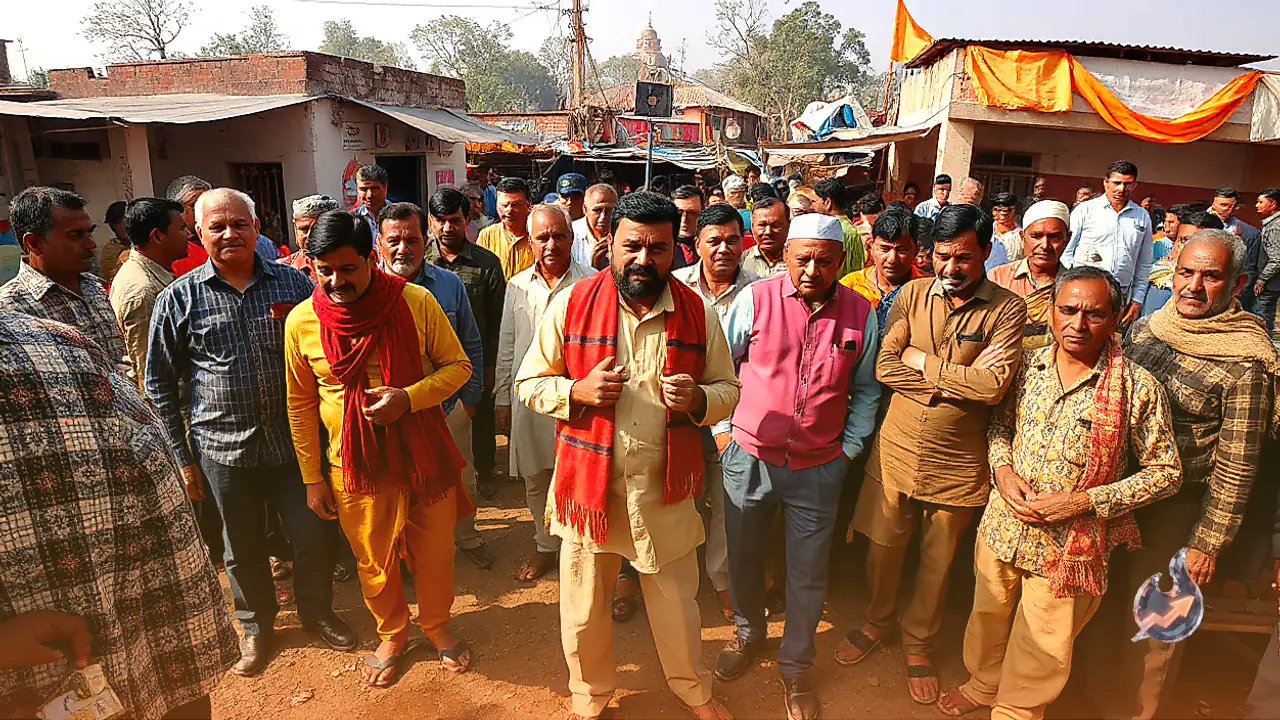

Addressing an official gathering in Gadchiroli, Maharashtra via video conferencing on the occasion of Janjatiya Gaurav Diwas, Prime Minister Narendra Modi paid tribute to legendary freedom fighter Birsa Munda. Emphasizing the nation's transformative journey over recent years, the Prime Minister highlighted two massive milestones that reflect India's evolving socio-economic landscape. The first is the elevation of approximately 50 crore individuals out of extreme deprivation, and the second is the decisive national shift toward freeing the country from the grip of Naxalism and Maoist insurgency. He stated that these achievements transcend mere statistics, as they directly correspond to tangible improvements in the daily lives of India's tribal and rural communities.
Poverty Alleviation Grounded in Collective Effort
Drawing attention to international assessments, Narendra Modi cited a World Bank study confirming that around 50 crore people across India have managed to break free from severe poverty over the past 12 years. The Prime Minister characterized this historic transition as one of the most substantial socio-economic breakthroughs achieved since independence. Rather than attributing this milestone solely to executive governance, he underlined that the monumental turnaround belongs to the entire country, powered by the collective determination, grit, and tireless toil of ordinary citizens.
He noted that structured public initiatives targeted specifically at marginalized tribal demographics have catalyzed this transformation. By delivering essential infrastructure, social safety nets, and targeted economic resources to remote rural households, the administration sought to address generational imbalances. When opportunities reach historically neglected sections, foundational poverty gives way to dignity and self-reliance.
The Decline of Insurgency Across Tribal Belts
Addressing the security dimension, Narendra Modi observed that the burden of Left Wing Extremism fell disproportionately upon indigenous tribal populations. Reflecting on conditions in regions like Gadchiroli, he reminded the audience that around 2014, as many as 125 districts nationwide suffered under the shadow of Maoist violence. Annual tallies saw hundreds of armed incidents that claimed thousands of innocent lives, with local tribal citizens making up a devastatingly large share of those casualties.
The Prime Minister stated that this cycle of terror is being brought to a definitive conclusion. Through coordinated security measures paired with aggressive regional infrastructure development, internal security has strengthened dramatically. Remote hamlets that were once cut off by conflict are now witnessing the re-establishment of civic administration, modern connectivity, and peace, enabling tribal youth to pursue productive livelihoods without fear.
Developmental Initiatives from Aspirational Blocks to Rural Housing
To dismantle chronic regional disparities, the government rolled out tailored transformation plans across long-overlooked pockets of the country. Over 100 aspirational districts and upwards of 500 aspirational blocks were brought under targeted intervention frameworks, with a heavy concentration in tribal-dominated geographies. Building on these efforts, programs like the PM Krishi Dhan Dhanya initiative are specifically directing resources toward 100 agriculturally lagging districts to generate fresh farm-level prosperity.
Detailing tangible welfare delivery, Modi pointed to the construction of more than 4 lakh durable homes for disadvantaged households. Furthermore, grid electricity was successfully extended to 18,000 households that had remained in the dark since the era of independence. In addition, healthcare protection through the Ayushman Bharat mechanism, offering up to Rs 5 lakh in annual cashless coverage, has shielded vulnerable families from slipping back into financial ruin during severe medical emergencies.
Inauguration of National Projects and Tribal Heritage Memorials
The Janjatiya Gaurav Diwas proceedings also witnessed the operational launch of more than 170 developmental projects dedicated to tribal welfare across diverse states, alongside foundation-stone ceremonies for over 70 upcoming infrastructure ventures. In the northeastern state of Mizoram, a dedicated museum honoring the legacy of freedom fighter Ropuiliani was officially inaugurated. Simultaneously, in Arunachal Pradesh, a modern campus for the Tribal Research Institute was unveiled to safeguard and examine indigenous culture and knowledge systems.
Reflecting on the cultural shift, Narendra Modi noted that Janjatiya Gaurav Diwas, first instituted on 15 November 2021, has transcended bureaucratic routine to become a genuine national celebration. Commemorating the 150th birth anniversary of Birsa Munda, over 2 lakh grassroots events were convened across the country with massive public participation. He stressed that India has discarded colonial-era lenses to celebrate its authentic national icons with indigenous pride, noting that Birsa Munda's renowned Ulgulan uprising and youthful courage continue to guide and inspire millions of Indians today.