


















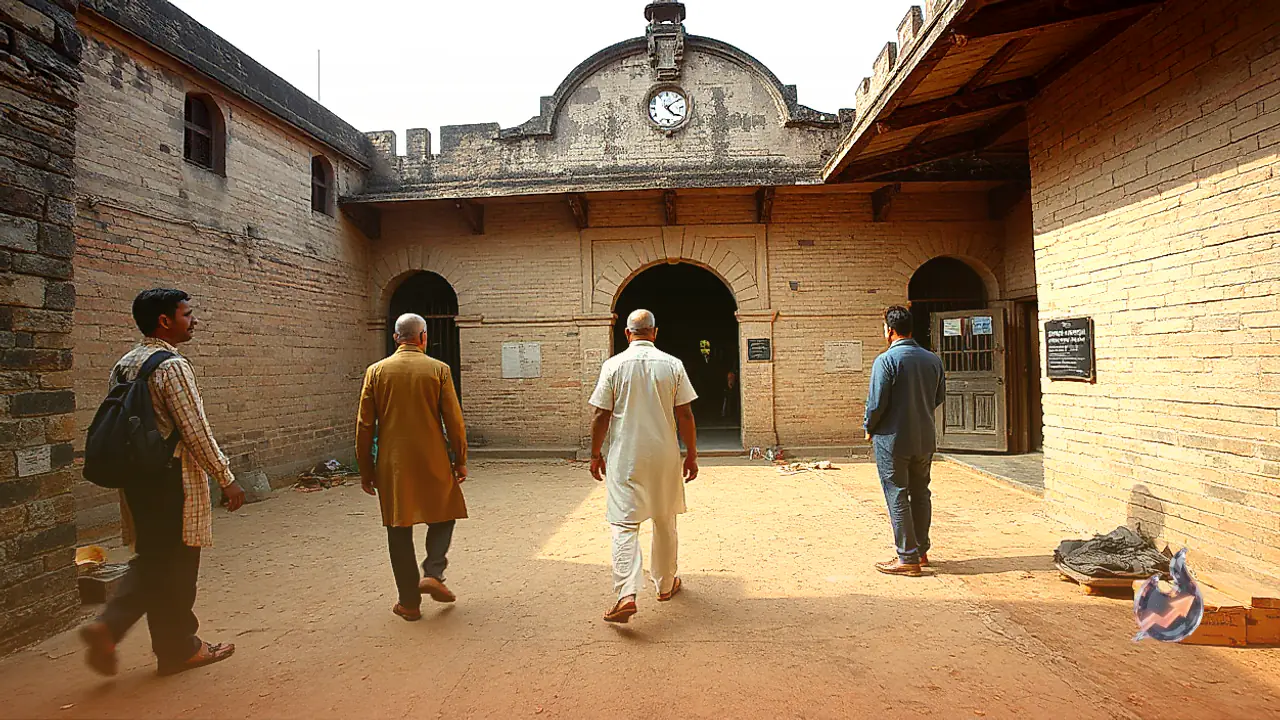

The historical landscape of Uttarakhand holds deep connections with the Indian freedom movement, preserving memories of immense resilience against British colonial rule. Within the modern courtroom complex of Dehradun stands a preserved British-era jail that bore witness to critical moments of the struggle. Pandit Jawaharlal Nehru was imprisoned in this facility approximately four times during the independence campaign. The administration has carefully preserved the table, chair, bed, and bedsheet used by him during his detention. Today, this heritage structure serves as a tangible reminder of the severe personal hardships endured by freedom fighters.
Strict Colonial Restrictions and Over 800 Days in Uttarakhand Prisons
The preserved quarters within the complex include Nehru's bedroom, bathroom, toilet, and a dedicated storage room. British authorities kept him under tight surveillance, going so far as to permanently block half of the window in his bedroom. This measure was specifically designed to prevent him from looking outside at the external environment. Physical evidence of these severe colonial restrictions remains intact across the walls and fixtures of the prison quarters, offering visitors a direct look at the conditions of his confinement.
During his participation in the national freedom struggle, the colonial administration awarded Pandit Nehru sentences totaling approximately 4 years of imprisonment. To minimize the risk of mass protests or rescue attempts by supporters who might storm the facility, the authorities deliberately moved him between different regional jails rather than keeping him in a single location. Across various detention centers in Uttarakhand, Nehru served more than 800 days behind bars, spending four separate periods of incarceration specifically inside this old Dehradun facility.
Drafting 'Discovery of India' Under Natural Moonlight
Beyond being a place of confinement, the Dehradun prison evolved into a creative retreat where pivotal historical literature was produced. In his renowned work, 'Discovery of India', Nehru documented detailed recollections of his stay in this specific facility. He composed significant portions of the book while lodged in this cell, often writing under the soft glow of moonlight due to restrictive prison conditions. It was also from these very quarters that he penned reflective letters addressed to his daughter, Indira Gandhi, sharing historical perspectives and philosophical ideas.
Nehru's Lasting Bond with Dehradun and His Final Journey
History researcher Ravindra Singh notes that Nehru shared a deep personal connection with Dehradun that went far beyond his wartime imprisonments. He frequently visited the valley for leisure and rest, following a family tradition as his father and sister regularly stayed across Dehradun and Mussoorie. Even after assuming national leadership, the city remained one of his most favored retreats. Notably, Nehru arrived in Dehradun on May 26, 1964, just a day before his demise, spending quiet hours in the Himalayan foothills.
During that final visit, he resided at the local Raj Bhavan, which operated as a Circuit House at the time. Accompanied by family members, he traveled to the nearby scenic spot of Sahastradhara, where he bathed and later took meals and rested at the Public Works Department guest house. Nehru held deep admiration for the tranquil 160-acre estate of the Circuit House, praising its picturesque charm in written remarks within the facility's official visitor register. Today, the preserved jail cell continues to attract history enthusiasts, scholars, and travelers seeking to understand the living legacy of India's freedom struggle.