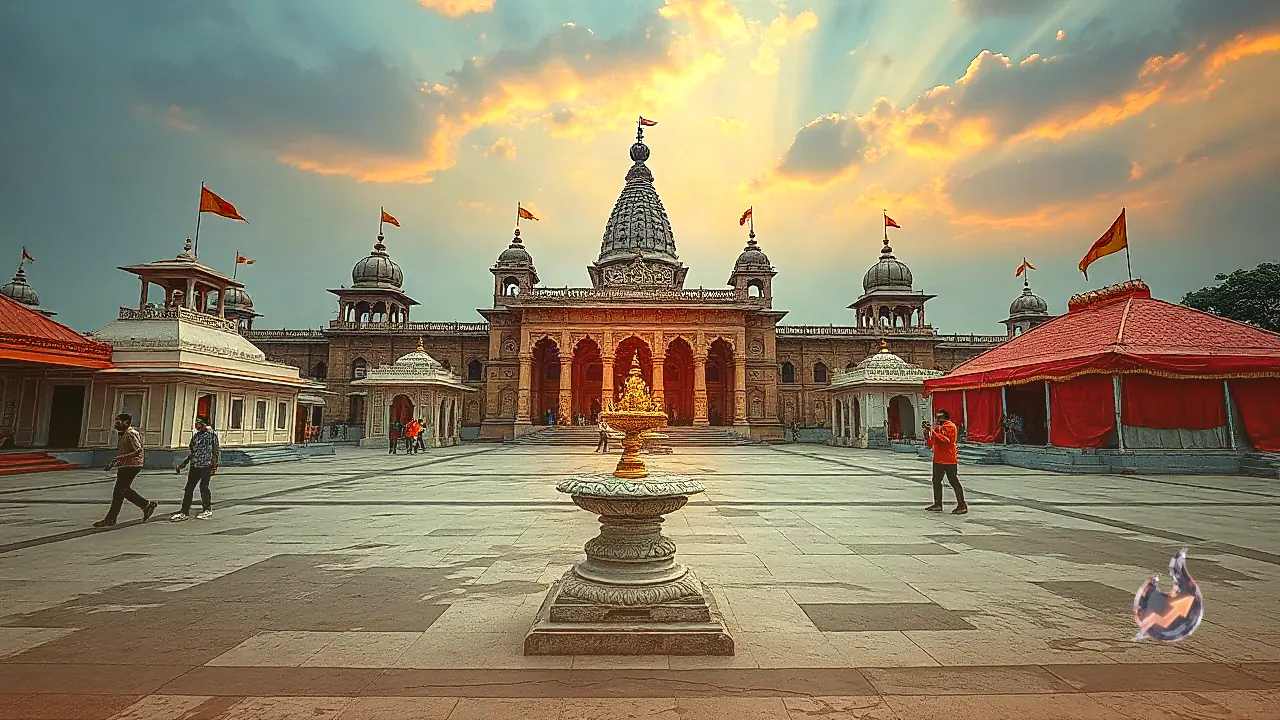


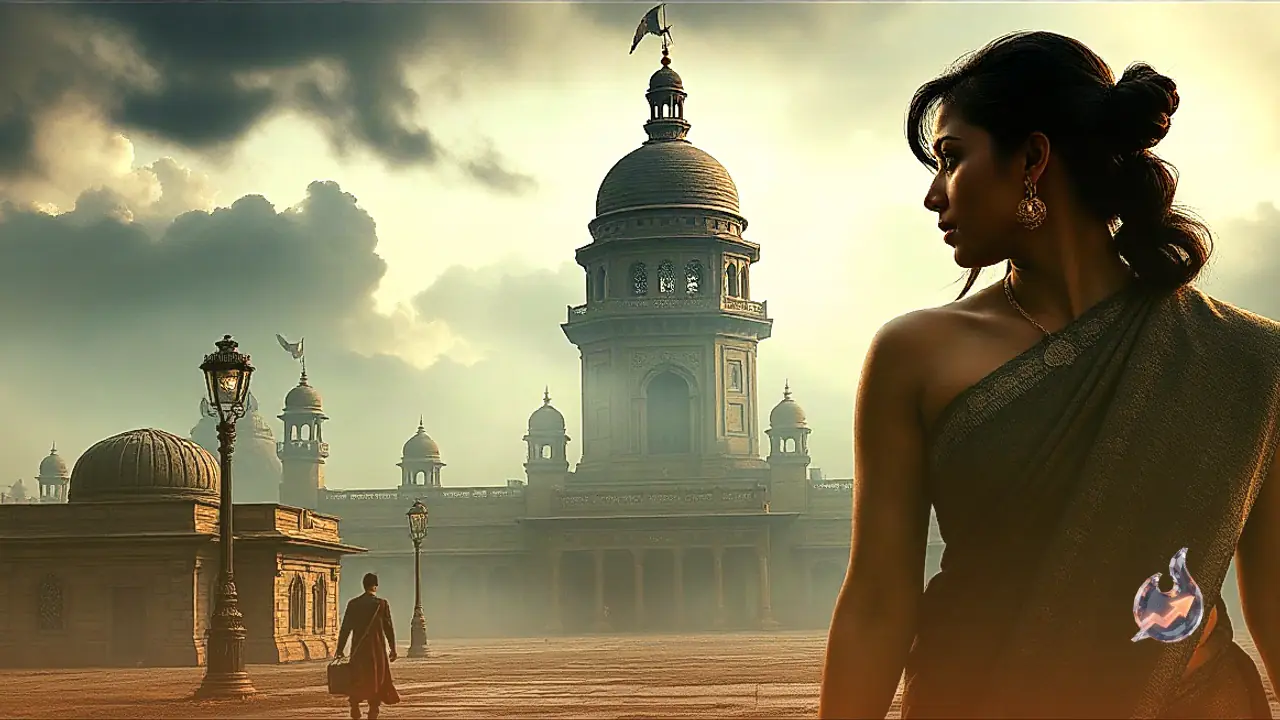


















On the evening of August 8, 1942, the Gowalia Tank Maidan in Mumbai was packed with a vast sea of people. When Mahatma Gandhi issued the historic call of "Do or Die" from the stage, it permanently shifted the trajectory of India's freedom struggle. Terrified by the unprecedented public enthusiasm, British authorities spent the entire night formulating an emergency strategy. By early the next morning, they launched a covert military operation designed to crush the rebellion before it could gain momentum. However, the flame of independence lit among the masses proved impossible for the colonial administration to extinguish.
Operation Zero Hour and the Mass Arrests
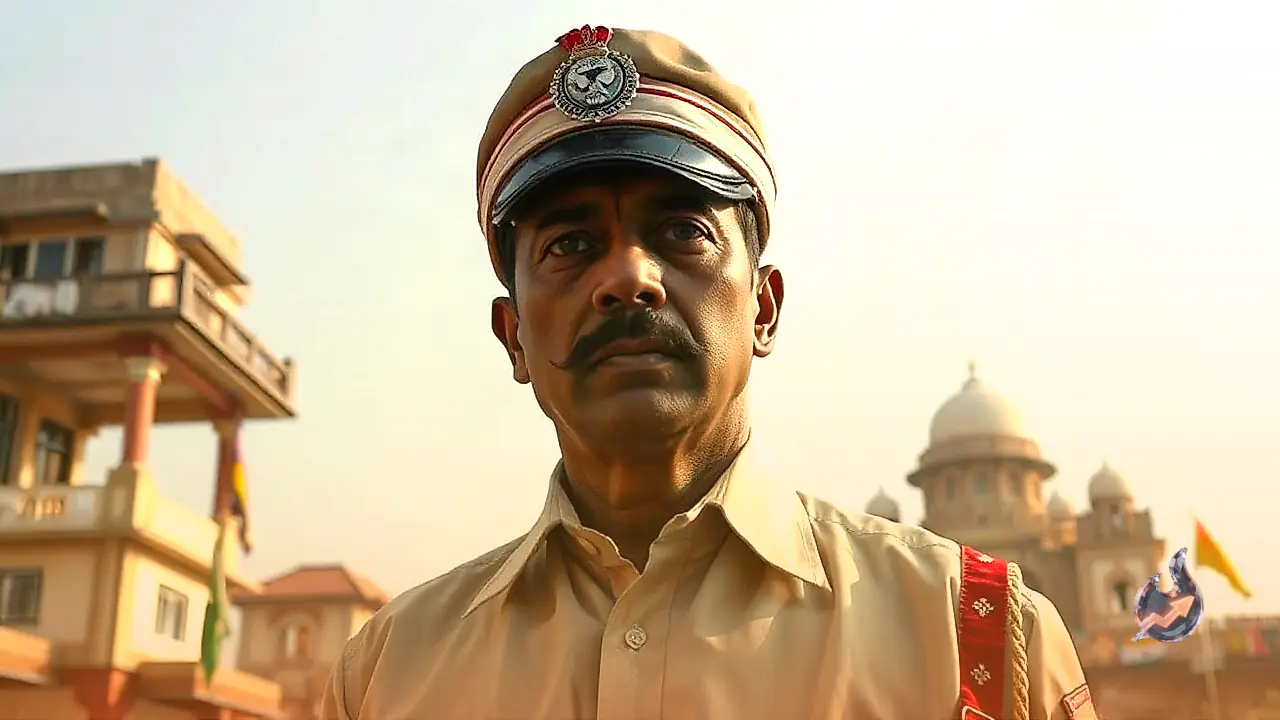
Sensing the scale of the impending uprising, the British government initiated "Operation Zero Hour" with the first light of dawn on August 9, 1942. Under this secret operation, police units carried out simultaneous raids across the country. Top Congress leaders, including Mahatma Gandhi, Jawaharlal Nehru, Sardar Vallabhbhai Patel, and Maulana Azad, were rounded up and thrown into prison. Colonial officials assumed that detaining the primary leadership would paralyze the public and dismantle the movement. Yet, their calculations failed completely, as the leaderless uprising spread like wildfire across every corner of the nation.
Heroic Acts and the Secret Radio Network
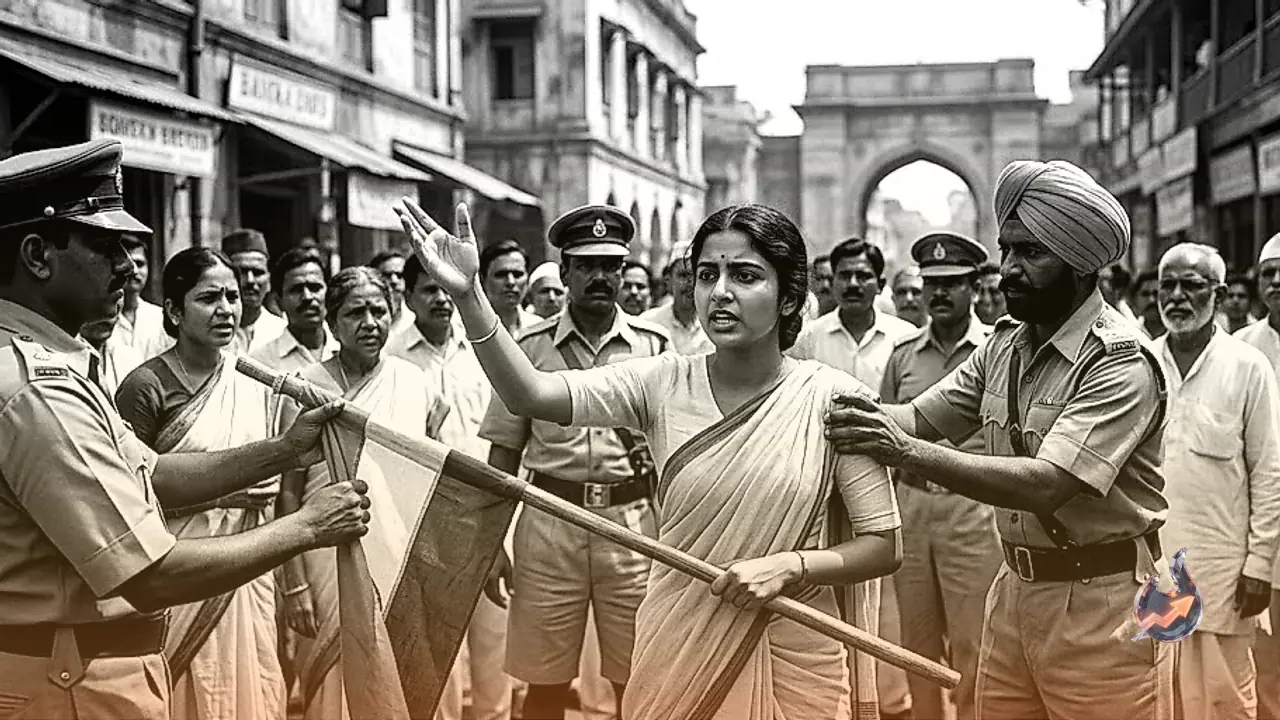
With the main leadership behind bars, women and youth stepped forward to guide the revolution. Aruna Asaf Ali, affectionately remembered as the "Grand Old Lady" of the freedom struggle, displayed extraordinary bravery on August 9, 1942. Undeterred by police lathi charges and tear gas at the Gowalia Tank Maidan, she courageously hoisted the Indian national flag, reinvigorating activists nationwide.
Simultaneously, a 22-year-old student named Usha Mehta devised an ingenious solution to bypass colonial news censorship. She established a "Secret Radio" station operating on the 42.34 meter band. Despite heavy British surveillance, this underground station broadcast vital news and revolutionary messages across the country, keeping the public informed and motivated.
Parallel Governments and the Collapse of Colonial Control
One of the most remarkable features of the Quit India Movement was the emergence of "parallel governments" in regions where local populations completely ousted British administrative control. These local bodies demonstrated that Indians were fully capable of managing their own governance.
The most notable example was the "Prati Sarkar" established in Satara, Maharashtra, under the leadership of Nana Patil. Operating continuously until 1946, this self-governing administration rejected British courts and police stations, making all administrative and judicial decisions independently. This indigenous governance model clearly signaled to the British Empire that its administrative grip on India had effectively shattered.
Background of the Movement and the Impact of World War II
The Quit India Movement did not emerge in isolation; it was the culmination of mounting political and economic frustration. Earlier in 1942, the British government had dispatched the Cripps Mission to negotiate Indian political demands. Its complete failure to offer concrete concessions created deep resentment among Indian leaders and the public, making it obvious that the colonial government had no intention of granting immediate self-rule.
At the same time, the severe fallout of World War II was crippling daily life in India. Soaring inflation and acute shortages of essential goods caused widespread hardship. Furthermore, the rapid advance of the Japanese military along India's eastern border created intense anxiety. Citizens increasingly realized that the British administration could neither alleviate their economic suffering nor guarantee national security.
Colonial Crackdown and the Path to Independence
Following the "Do or Die" slogan on August 8, 1942, nationwide strikes, massive demonstrations, and boycotts of government institutions broke out. To suppress the rebellion, the British authorities deployed brutal force and executed large-scale arrests. Although the open movement was largely contained by 1944, the balance of power had permanently changed.
The uprising made it unmistakably clear to the British rule that governing India by brute force was no longer sustainable. By taking the fight for freedom into remote villages and towns, the movement engaged citizens from all walks of life. Though many of these brave individuals remain unsung in history books, their sacrifices laid the unshakeable foundation for India's ultimate independence in 1947.