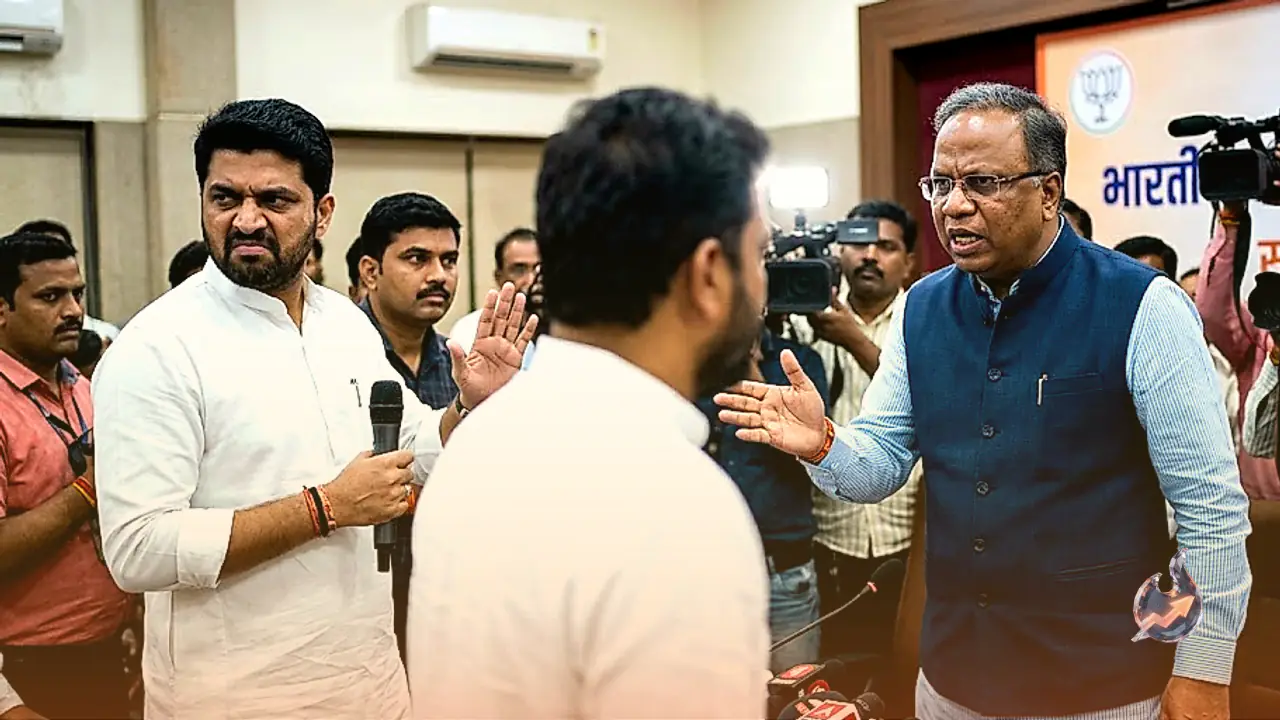

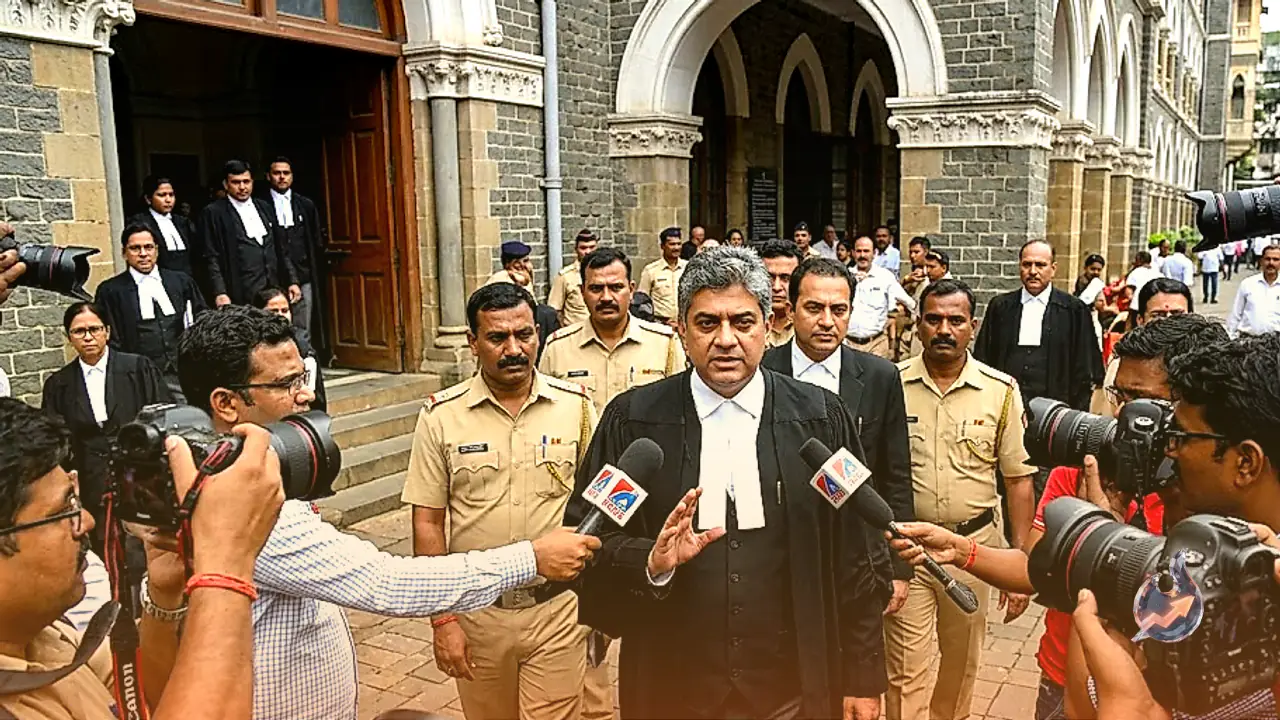


















The Bombay High Court has completed hearing arguments from all parties concerning a petition that seeks a fresh probe into the death of Disha Salian. Following extensive submissions presented by the state government and the legal team representing Shiv Sena (UBT) leader and MLA Aaditya Thackeray, the court decided to reserve its judgment. During the proceedings, senior advocate Sudeep Pasbola, appearing on behalf of Aaditya Thackeray, vehemently opposed the petition, asserting that the allegations lacked both factual substance and legal foundation. The defense maintained that the judicial process was being leveraged to settle political scores rather than serve genuine justice.
High Court Hears Final Arguments and Reserves Decision
The legal proceedings reached a critical stage as the bench concluded hearing detailed arguments from both sides. Representatives for the government outlined their stance regarding the investigative steps taken following the tragic death. Subsequently, senior advocate Sudeep Pasbola presented a comprehensive counter argument on behalf of Shiv Sena (UBT) leader Aaditya Thackeray. Throughout the hearing, the court posed several specific queries regarding the procedural history of the case, the scope of the inquiry conducted so far, and the maintainability of the petition itself. With oral submissions now complete from all involved parties, the High Court formally reserved its order, leaving all stakeholders awaiting the final judicial verdict.
Defense Challenges Legal Merit and Alleges Political Exploitation
Addressing the bench, senior advocate Sudeep Pasbola argued that the petition presented before the High Court fails to satisfy the necessary legal and factual parameters required for judicial intervention. He contended that the claims made within the plea are entirely baseless and driven by partisan motives. Pasbola specifically highlighted that political opponents have systematically exploited the unfortunate passing of Disha Salian to target Aaditya Thackeray. In his oral submissions, the senior counsel explicitly made reference to political adversaries, including Rane and his family members, alleging that rival factions have repeatedly utilized the tragic incident to engineer political controversy and inflict public damage.
Focus on Autopsy Findings and Section 174 Inquiry
A significant portion of the court hearing focused on the technical and medical aspects of the preliminary investigation conducted by the police authorities. The bench examined details surrounding the post-mortem report of Disha Salian, paying close attention to specific observations regarding facial injuries recorded during the initial examination. Furthermore, the discussion encompassed the scope of the inquiry carried out under Section 174 of the Code of Criminal Procedure (CrPC), which governs police investigations into unnatural deaths. Thackeray's legal counsel submitted that the procedural requirements under CrPC Section 174 had been duly followed by law enforcement agencies, and argued that raising repetitive questions without concrete evidence serves no legitimate legal purpose.
Expression of Sympathy and Call for Closure
While challenging the maintainability of the plea, advocate Pasbola also articulated Aaditya Thackeray's personal sentiment regarding the victim's family. Speaking in court, counsel emphasized that Thackeray holds deep sympathy and heartfelt condolences for Disha Salian's father and her surviving family members. The defense conveyed to the bench that the bereaved family deserves peace and the right to see an end to continuous litigation. Counsel argued that dragging the tragic demise of a young woman into ongoing political disputes is deeply unfortunate and must be brought to an end. The defense concluded by urging the court to dismiss the petition, emphasizing that legal forums should not be transformed into arenas for political rivalries.