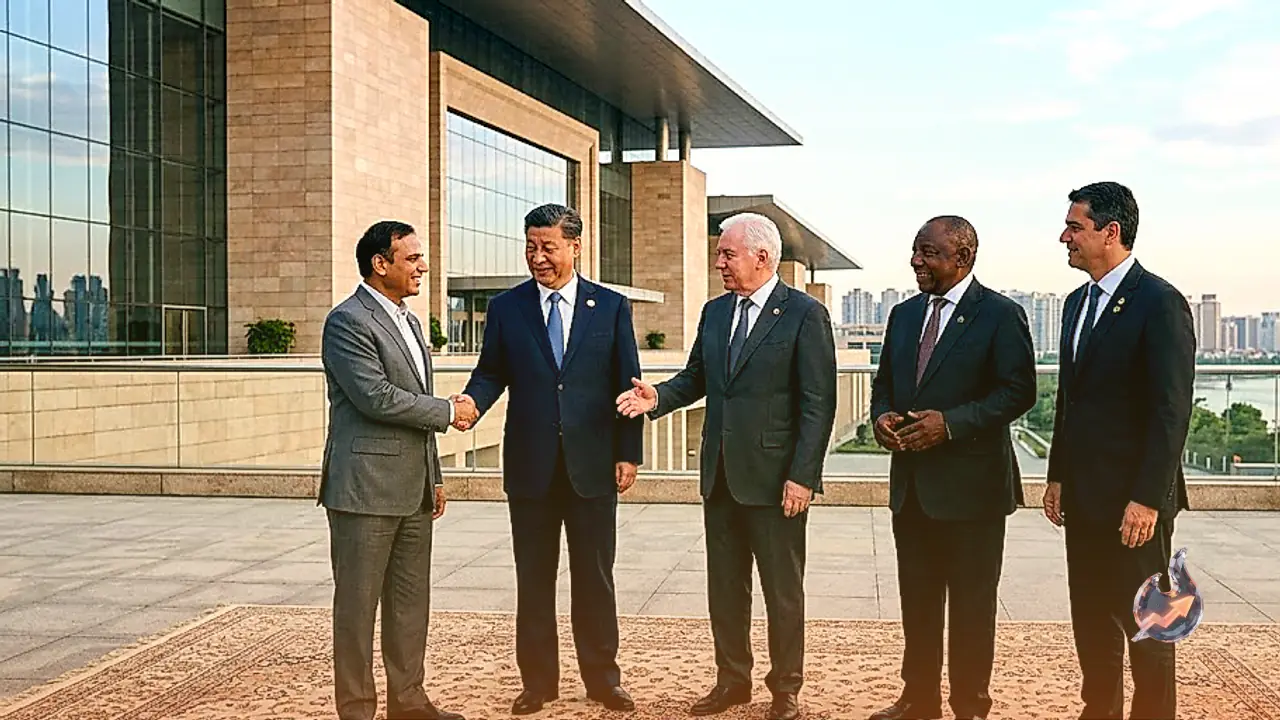


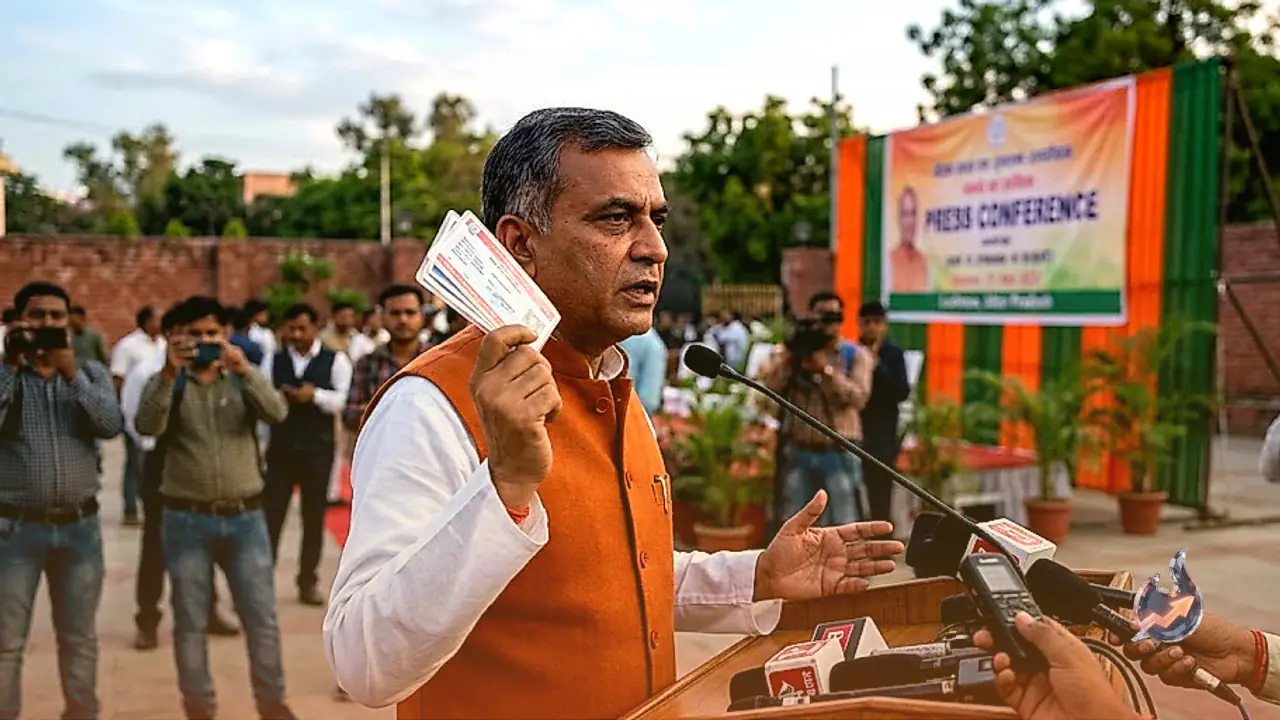














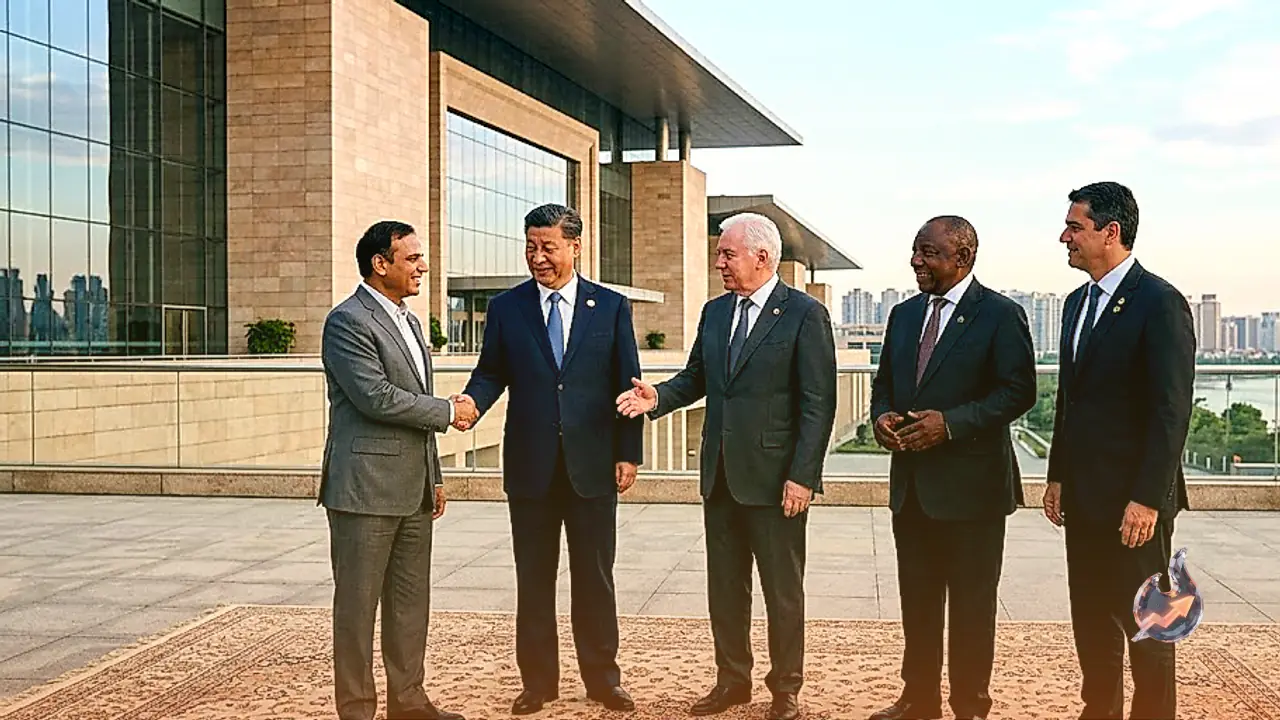

The influence of the BRICS grouping continues to expand significantly within the changing landscape of international diplomacy. According to former diplomat Sudhir T. Devare, the summit has provided a crucial platform for nations of the Global South that historically lacked an avenue to voice their perspectives on the world stage. The grouping now accounts for approximately 50 percent of the global population and 45 percent of global GDP, underlining its growing strategic importance.
A Expanding Platform for the Global South
The footprint of BRICS is no longer confined to its founding members. Beyond the original five nations, the grouping has recently added 5 to 6 new member countries. Furthermore, numerous other nations are actively seeking to join as full members or partner states.
The vast majority of these joining and interested countries belong to the Global South. Apart from major powers such as China and Russia and a few developed nations, the collective predominantly consists of developing countries. Consequently, BRICS functions as a compact yet highly effective and articulate grouping within the broader non-aligned framework.
Focusing on Shared Interests Without Anti-Western Sentiment
BRICS operates not as an adversarial bloc, but as a constructive forum dedicated to advancing shared interests. Sudhir T. Devare emphasized that the platform is not anti-Western or directed against any power. Instead, its core focus is to articulate the developmental priorities, challenges, and economic goals of its members.
A defining outcome of recent summits has been the absence of conflict or confrontation. The deliberations remained focused on peace, constructive dialogue, and consensus building. This cooperative approach positions BRICS as a durable institution capable of championing member interests in a balanced manner over the coming years.
The Role of ICWA in Shaping Diplomatic Priorities
The Indian Council of World Affairs (ICWA) has played a central role in supporting India's foreign policy framework. Devare noted that ICWA serves as a national platform bringing together academic bodies, universities, diplomats, and independent thinkers to contribute fresh perspectives on international developments.
As global dynamics evolve, India faces new challenges and strategic priorities. ICWA helps bridge academic research and diplomatic practice by fostering open debates and structured discussions, thereby continually updating and strengthening the nation's foreign policy discourse.
Strategic High-Level Engagement with African Leaders
The summit also facilitated high-level diplomacy between India and African nations. Mahesh Sachdev, former High Commissioner of India to Nigeria and former Ambassador to Algeria and Norway (IFS, Retd.), highlighted the active participation of African head of states.
Sachdev pointed out that leaders from four African countries attended and held direct bilateral discussions with Prime Minister Narendra Modi. Three of these nations Egypt, Ethiopia, and South Africa are already full BRICS members. The fourth nation, Burundi, was represented by its President in his capacity as the Chairman of the African Union. These interactions reinforce the growing economic and diplomatic synergy between India and the African continent.