




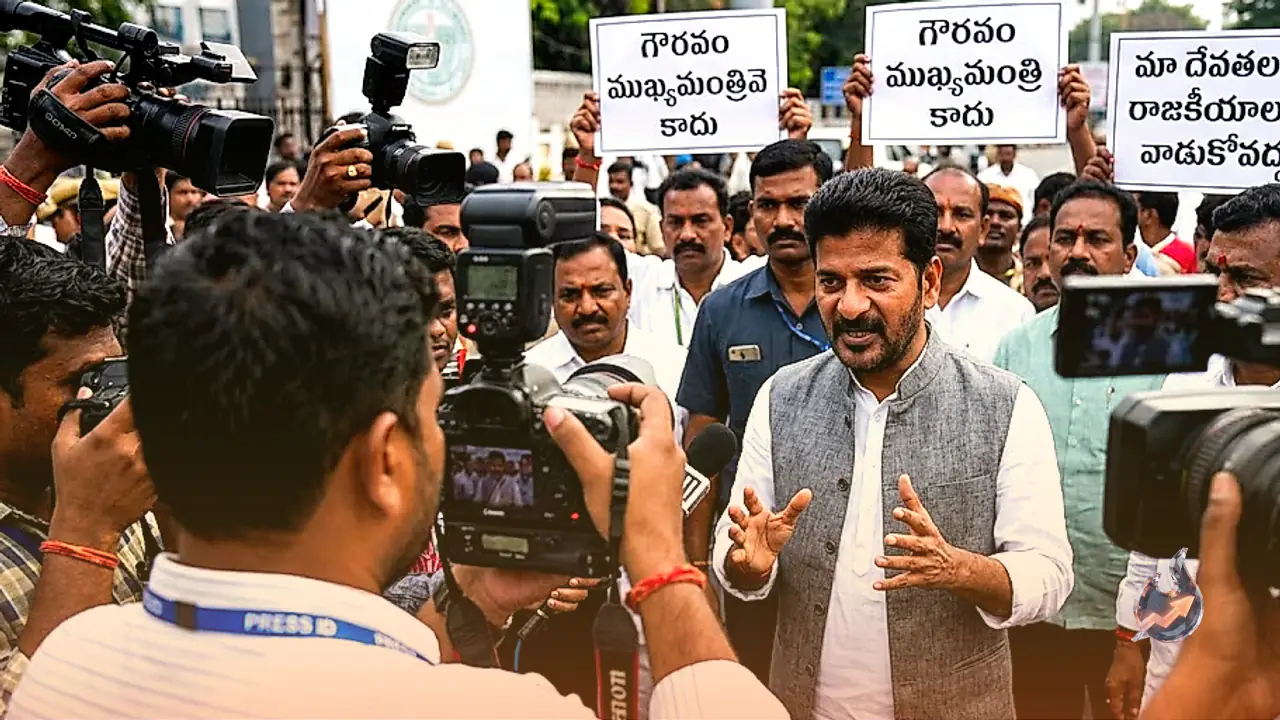














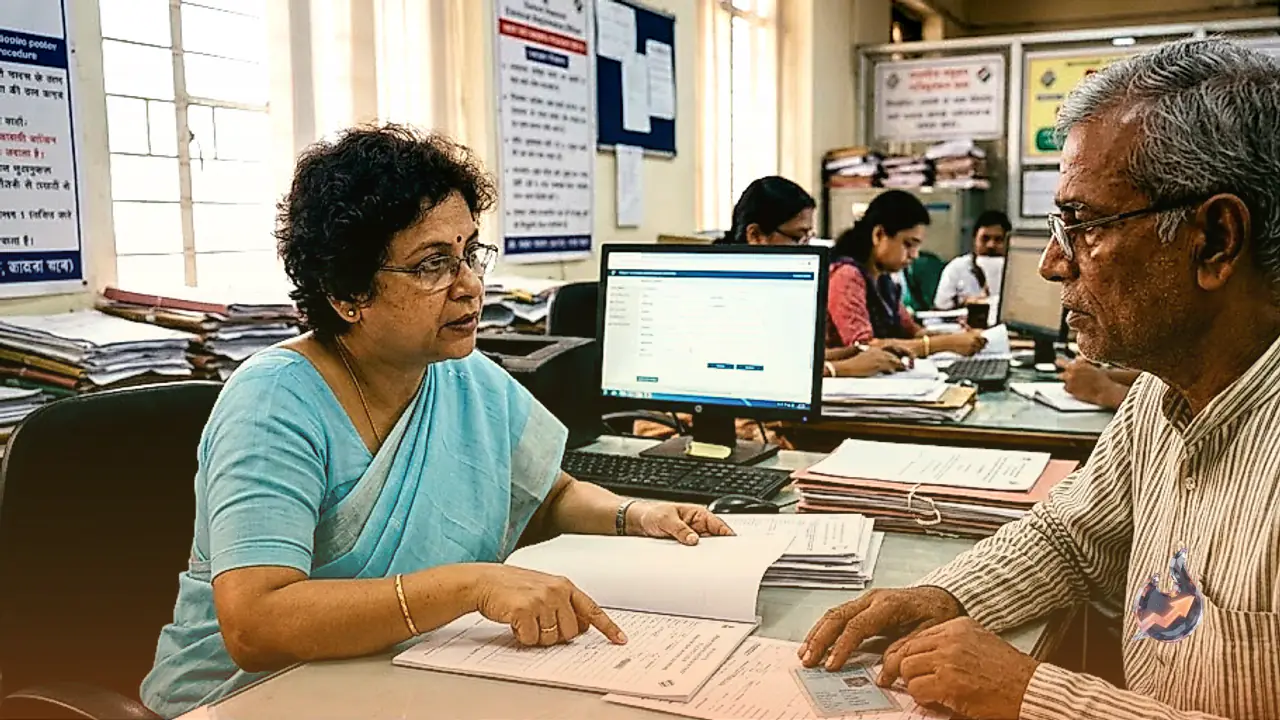

Electoral roll integrity and allegations surrounding voter list deletions frequently spark intense public debate. Opposition parties often raise concerns regarding voter suppression, attributing large-scale name removals to administrative exercises such as the Special Intensive Revision (SIR). However, the Election Commission has repeatedly refuted assertions that legitimate voters can be removed arbitrarily. The official position remains unambiguous: no automated system, digital portal, or mobile application has the authority or mechanical ability to erase a voter from the electoral roll. These online channels serve strictly as entry points for submitting applications, which must undergo exhaustive statutory scrutiny. Electoral authorities underscore that no entry can be removed without first issuing a formal notice to the voter and granting them a full, fair opportunity to be heard.
The Statutory Framework Governing Electoral Roll Deletions
The safeguards protecting every citizen's right to remain on the electoral roll are anchored in parliamentary legislation. The Representation of the People Act, 1950, read together with the Registration of Electors Rules, 1960, establishes a rigorous procedural structure governing name removals. This legal mechanism exists explicitly to thwart any malicious attempt at wrongful exclusion, guaranteeing that no eligible elector is disenfranchised without prior warning, evidence, and an opportunity to contest the proposal.
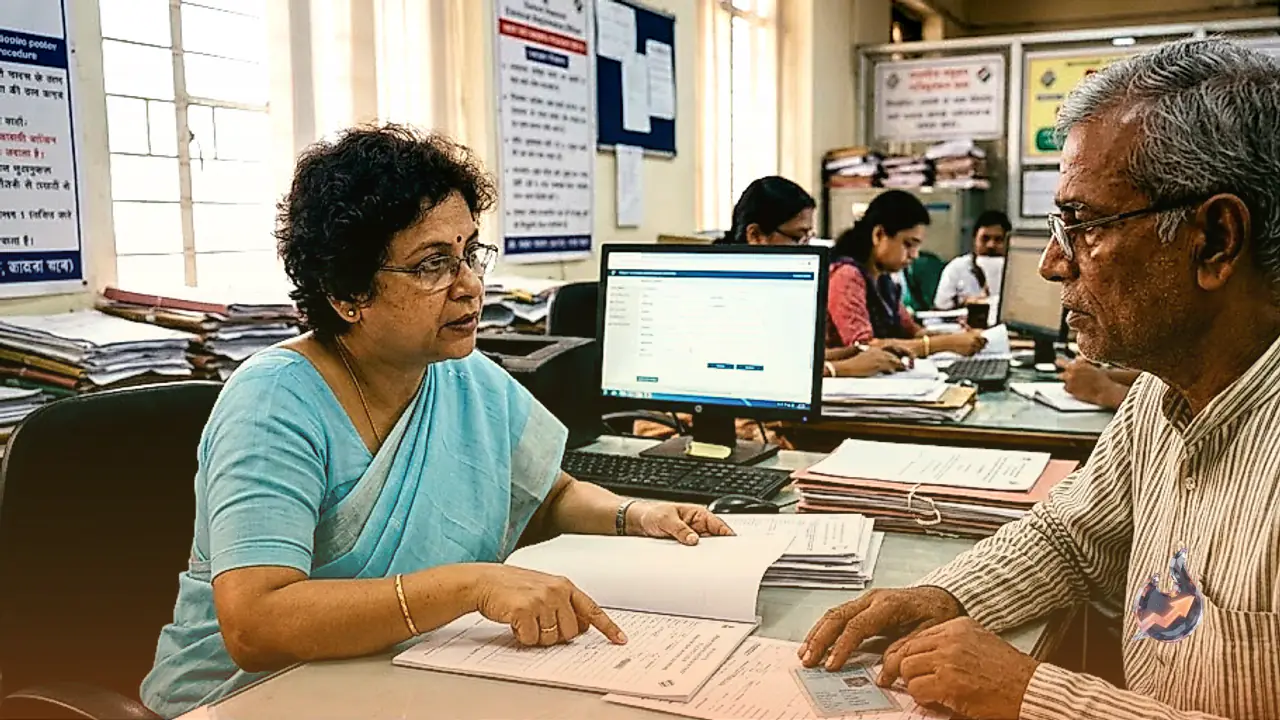
When an elector wishes to delete their own name or when someone lodges an objection against an existing entry in the electoral register, the process must formally originate via Form 7 submitted directly to the Electoral Registration Officer (ERO). Individuals shifting their permanent residence to another constituency also use Form 7 to strike off their previous registration. The form demands comprehensive particulars, including the name of the assembly or parliamentary constituency, the voter's Electors Photo Identity Card (EPIC) number, the exact statutory ground for removal, and the applicant's complete personal particulars and physical signature. Upon submission, the jurisdictional Booth Level Officer (BLO) issues an official acknowledgment receipt.
Statutory Grounds and Due Process for Removals
Removing a voter is governed by exhaustive procedural checkpoints to prevent executive overreach. The governing principles and operational steps include
- Permissible Grounds for Deletion: Removals are strictly confined to defined circumstances, such as permanent relocation to another constituency, absence from the registered residential address, duplicate or multiple registrations across polling stations, death, or loss of Indian citizenship. Deletion requests premised on arbitrary, political, or unsubstantiated claims are summarily rejected.
- Mandatory Official Record-Keeping: Every objection or deletion form received is officially cataloged in public registers. If an application is found to be deficient, incomplete, or procedurally defective at the intake stage, the authorities reject it outright without progressing to field inquiries.
- Issuance of Statutory Notice: Where a removal proposal proceeds, the ERO must issue a formal written notice to the affected voter. This notice must explicitly specify the date, time, and venue of the hearing. Delivery is executed in person, through registered post, or by physically affixing the summons at the registered domicile of the elector.
- Compulsory Field Verification: An electoral inspection official or BLO conducts a personal, physical visit to the address on record. The officer verifies whether the voter continues to reside there, has passed away, or holds an active parallel registration elsewhere. The findings are compiled into a formal factual report submitted to the ERO.
- Right to a Quasi-Judicial Hearing: Both the applicant seeking the deletion and the elector whose registration is contested possess the fundamental right to be heard. Before arriving at a determination, the ERO has the legal authority to summon evidentiary documentation, require personal appearances, and record oral depositions under oath.
- Adjudication Grounded in Evidence: After evaluating the physical inspection findings and depositions, the ERO exercises statutory discretion to either reject the application or sanction the deletion. Once approved, the entry is formally struck off and reflected in the subsequent revision of the electoral roll.
- Appellate Remedy and Re-Enrollment: If an individual believes their name was wrongfully removed, they have the statutory right to challenge the ERO's determination before higher appellate authorities. Alternatively, they may submit Form 6 alongside valid proof of residence and identity to restore their voting credentials.
- Penal Sanctions for Fraudulent Objections: Submitting false, forged, or misleading declarations on Form 7 is a punishable offense under Section 31 of the Representation of the People Act, 1950, carrying legal penalties and potential prosecution.
Can Third Parties Arbitrarily Cancel Your Vote?
Under the statutory framework, any elector registered within the same legislative constituency can submit Form 7 questioning another individual's enrollment. However, lodging an objection does not trigger automatic cancellation. The ERO is legally precluded from issuing a deletion order without serving a prior notice, completing ground-level verification, and conducting a formal hearing. Any deletion undertaken in disregard of these mandatory safeguards is entirely unlawful. Furthermore, frivolous or fabricated filings expose the complainant to criminal liability.
Can Algorithmic Software Wipe Names from Voter Lists?
Public apprehension often arises over whether automated algorithms, scripts, or malicious software can mass-delete voters. Electoral safeguards render that scenario impossible under Indian administrative law
- Portals Function Exclusively as Filing Interfaces: Online portals and mobile applications are built merely to receive incoming public representations. They lack any technical functionality to directly edit or erase underlying database records.
- Universal Human Verification: Every single digital filing requires independent, manual field inquiries followed by official quasi-judicial scrutiny.
- Safeguards Against Bulk Submissions: Even if bad actors generate suspected bulk submissions through automated scripts, the ERO cannot act en masse. Each case must proceed through the individualized pipeline of field visits, notices, and hearings.
- Criminal Liability for Software Impersonation: Any attempt to weaponize digital tools to impersonate electors or forge bulk forms constitutes criminal fraud and conspiracy, but it cannot bypass the physical administrative gates.
- Application Surges Cannot Bypass the Law: Automated scripts may flood public-facing portals with forms, but software has zero authority to remove entries from the official voter database.
- No Instant Deletions: Removing a voter in India is not a one-click administrative act. Whether triggered by an adversarial neighbor or an online form, deletion requires rigorous investigation, verifiable notice, on-site cross-examination, and an official order by a designated statutory officer.
- Statutory Due Process Is Inviolable: Fictitious claims cannot result in disenfranchisement, and circumventing the prescribed administrative ladder remains illegal and punishable.
What Is ERONET and What Role Does It Play?
During revision cycles such as the SIR, the institutional architecture relies on the Electoral Registration Officers Network (ERONET), which forms the operational backbone of India's voter register management.
ERONET is a centralized, web-based software suite explicitly architected to manage electoral rolls across the nation. It standardizes the workflow for processing new voter enrollments, executing demographic or address corrections, and recording authorized deletions under the statutory rules. Prior to ERONET's deployment, different states and union territories utilized 36 distinct, disconnected IT infrastructures. ERONET replaced this fragmented system, establishing a single, uniform national technical platform.
The Integrated Capabilities of ECINET
To further unify electoral services, the Election Commission deployed ECINET as a comprehensive single-window ecosystem. ECINET subsumes the electoral roll operations of ERONET while integrating more than 40 different commission portals, specialized applications, and service dashboards under one unified umbrella.
ECINET serves as a collaborative interface connecting citizens, candidates, and political entities. Through this portal, users can submit enrollment applications, track status updates in real time, download electronic voter identity documents known as e-EPIC, and review official electoral statistics and demographic data.
How ERONET and ECINET Function as Decision-Support Systems
Despite recurring speculation regarding software performance and capabilities, neither ERONET nor ECINET holds any statutory power to add or expunge voters on its own. These platforms operate strictly as decision-support systems designed to enhance administrative efficiency.
The underlying software scans digital records to flag probable duplicate registrations, incomplete demographic data, or logical anomalies, producing an actionable roster for ground personnel. When a potential irregularity is flagged, the system does not delete the entry; instead, it triggers compulsory physical field verification. The local Booth Level Officer visits the elector's residence to inspect physical documentation and ascertain the facts firsthand.
Under Section 15 of the Representation of the People Act, the sole legal authority to modify the electoral roll rests with the Electoral Registration Officer. The ERO independently reviews field inspection reports and depositions before executing any formal statutory order, ensuring that technology serves merely as an administrative aid rather than a decision-maker.